The Best Time to Travel to Aruba: When to Visit for Perfect Weather & Great Deals
Author Bio: This guide is written by a travel editor and Aruba resident of 5+ years, combining firsthand island experience with thorough research to provide the most accurate and practical advice for your trip.
The best time to travel to Aruba hinges on what you value most — flawless beach weather, a quieter Palm Beach, or a deal at a resort like The Ritz-Carlton. This isn’t just about avoiding rain; it’s about syncing your priorities with the island’s rhythms. Aruba is one of the Caribbean’s most consistent year-round destinations, sitting outside the hurricane belt and blessed with over 300 days of sunshine annually — but your experience swings dramatically depending on when you go. For a broader comparison of seasonal travel patterns across destinations, see our comprehensive best time to travel guide.
Table of Contents
The Best Time to Visit Aruba: A Season-by-Season Breakdown
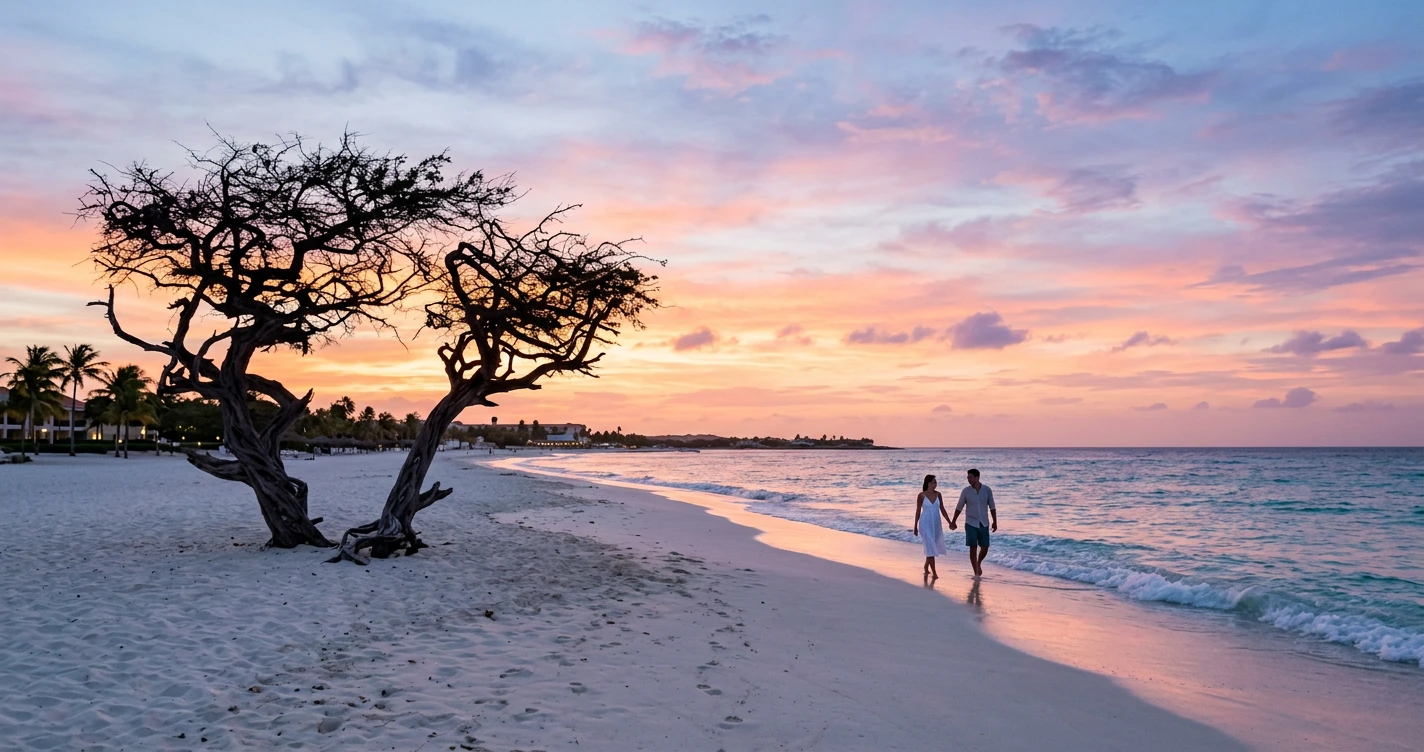
The best time to visit Aruba for the ideal blend of guaranteed sunshine, comfortable temperatures, and manageable crowds is from mid-January through May. You’ll dodge the peak holiday rates and the tail end of the rainy season, landing in a sweet spot where the island feels lively but not overwhelmed. The trade winds are steady but not overpowering, making it perfect for both beach lounging and wind-powered sports. This is the consensus for a reason—it simply works for most travelers.
High Season (December – March): Best for Perfect Weather & Events
This is when Aruba’s weather is postcard-perfect: average highs of 86°F (30°C), minimal rain, and constant sun. The island is buzzing with energy. Hotels on Palm Beach and Eagle Beach are at full capacity, restaurant reservations are essential, and you’ll feel the vibrant pulse of Oranjestad. It’s fantastic if your goal is absolute weather certainty and you don’t mind the premium price tag. I visited in early March once, and while the conditions were impeccable, I learned to book my sunset sail at De Palm Pier a week in advance.
Shoulder Season (April – August): Best for Value & Water Sports
My personal favorite window. The weather remains excellent—April and May are particularly stellar—but room rates can drop by 20-30% after Easter. The trade winds pick up noticeably, which is a blessing for the heat but a boon for windsurfers and kiteboarders. If you enjoy planning ahead for multiple destinations, it’s worth comparing this type of shoulder-season strategy with other warm-weather escapes—the approach works just as well when timing a trip to Thailand.
Low Season (September – November): Best for Budget & Solitude
This is Aruba’s value proposition. You’ll find the lowest airfares and hotel deals, sometimes 40% below high-season prices. Crowds thin out significantly. The caveat? This is the rainy season, with October seeing the most precipitation. However, Aruba’s desert climate means showers are usually brief. The bigger factor is humidity. It’s hot. But if you’re budget-conscious and don’t mind the chance of a daily, short-lived tropical shower, the savings are real. I traveled in early November and had entire stretches of Arashi Beach practically to myself.
Aruba Weather By Month: A Detailed Look
Aruba’s climate is reliably warm and dry, classified as arid tropical. The dominant feature is the constant northeast trade wind, which moderates the heat. Temperature variation throughout the year is minimal—often just a few degrees—so the key differentiators are rainfall, wind speed, and humidity. Here’s a quick-reference table followed by the nuances you need to know.
| Month | Avg. High / Low (°F) | Avg. High / Low (°C) | Rainfall (inches) | Key Notes |
|---|---|---|---|---|
| Jan | 86°F / 76°F | 30°C / 24°C | 1.5″ | Peak season, sunny, steady winds. |
| Feb | 86°F / 76°F | 30°C / 24°C | 0.7″ | Ideal weather, busy. |
| Mar | 87°F / 77°F | 31°C / 25°C | 0.4″ | Dry, warm, great for diving. |
| Apr | 88°F / 78°F | 31°C / 26°C | 0.6″ | Shoulder begins, winds increase. |
| May | 89°F / 79°F | 32°C / 26°C | 0.7″ | Excellent blend of sun & value. |
| Jun | 90°F / 80°F | 32°C / 27°C | 0.8″ | Windy, start of summer holidays. |
| Jul | 90°F / 80°F | 32°C / 27°C | 1.2″ | Windy, warm, reliable sun. |
| Aug | 91°F / 80°F | 33°C / 27°C | 1.0″ | Hottest month, strong winds. |
| Sep | 91°F / 80°F | 33°C / 27°C | 1.6″ | Low season begins, humidity rises. |
| Oct | 90°F / 80°F | 32°C / 27°C | 3.2″ | Wettest month, but showers brief. |
| Nov | 89°F / 79°F | 32°C / 26°C | 3.0″ | Good deals, variable weather. |
| Dec | 87°F / 77°F | 31°C / 25°C | 2.3″ | Holiday rush, prices peak. |
Source: Aruba Tourism Authority & Meteorological Department, 2024 averages.
The Wind Factor: Don’t underestimate it. From June through August, winds can consistently blow at 20+ knots. It makes the heat feel amazing but can turn lounging on Palm Beach into a sandy affair if you’re not strategically placed. Windward coast spots like the California Lighthouse are exhilarating; leeward coast beaches are more sheltered.
Rain Reality: Even in the “rainy season” (Oct-Nov), it’s not a daily washout. You’ll typically see short, intense showers often at night or early morning. The annual average is just over 20 inches, compared to over 60 inches for a tropical island like Jamaica. Aruba lies outside the main hurricane belt, making it a uniquely reliable Caribbean destination year-round. The Aruba Tourism Authority notes the island has a direct hurricane hit probability of less than 1% annually.
What is the Cheapest Month to Go to Aruba?
Quick Answer: September and October are consistently the cheapest months to fly and stay in Aruba. You’ll find the lowest hotel rates and flight deals as these months fall within the low season, offering significant savings for flexible travelers.
If your primary goal is to minimize cost, target the window from late August through early November. This period sees a notable dip in tourism after the summer family travel surge and before the holiday rush. Airlines and resorts slash prices to attract visitors. I once booked a last-minute trip in mid-September and paid nearly 50% less for a week at a Palm Beach high-rise than a friend did the previous January. The flight from Miami was under $300 roundtrip.
The trade-off is accepting higher humidity and a greater chance of rain—though, as mentioned, it’s rarely a trip-ruiner. For the absolute rock-bottom prices, be flexible and set fare alerts for Queen Beatrix International Airport (AUA) in these months. This strategy works for most Caribbean and tropical destinations—check our seasonal travel timing guide for other islands.
What Months to Avoid in Aruba?
Quick Answer: There’s no “bad” month to avoid entirely, but your priorities dictate the less-ideal times. Avoid late December if you dislike extreme crowds and peak prices. Avoid October if you are highly rain-averse. Avoid August if you dislike intense heat and strong winds.
This question is more about your personal tolerance than a universal warning. That said, here’s the breakdown:
- For Crowds & Cost: The week between Christmas and New Year’s is the absolute peak. The island is packed, prices are at their zenith, and restaurants require bookings far in advance.
- For Rain: October has the highest historical rainfall. If your dream vacation is 100% guaranteed, unbroken sunshine, this month carries a slight risk.
- For Heat & Wind: August and September are the hottest and most humid. The winds are also strongest in late summer, which is great for windsurfing but less so for a calm beach read.
For most people, the “avoid” label really applies to late December if you’re seeking value and tranquility. Otherwise, Aruba’s climate is forgiving enough that even its “worst” months are better than many destinations’ best.
What is the Rainy Season in Aruba?
Quick Answer: Aruba’s rainy season loosely runs from October through January, with October and November being the wettest months. However, “rainy season” here is relative—showers are typically short, intense, and often occur at night.
Calling it a “rainy season” almost feels misleading. We’re not talking about days of drizzle. In Aruba’s desert climate, rain usually comes in quick, heavy bursts that clear as suddenly as they arrive. The landscape in Arikok National Park greens up beautifully during this time. According to climate data, October averages about 8 rainy days for the month. That means over 20 days are still dry. The practical takeaway? Don’t cancel a fall trip over this. Just pack a light rain shell and plan indoor or flexible activities (like exploring the shops in Oranjestad or a casino visit) for the occasional cloudy morning.
Is Aruba Expensive to Visit?
Quick Answer: Yes, Aruba is on the more expensive side for the Caribbean, but smart planning can manage costs. It’s comparable to destinations like Bermuda or the Cayman Islands, with savings found in the low season and by dining like a local.
Aruba is a developed, high-end tourism destination. You’re paying for reliable infrastructure, imported goods, and luxury resorts. A couple can easily spend $400+ per day at a high-rise hotel on Palm Beach, including meals and drinks. However, you have control. My strategy: I splurge on a nice hotel but save on food.
A dinner for two with wine at a fine dining spot like Flying Fishbone can hit $150, but a massive plate of fresh fried fish and plantains at Zeerovers, a legendary local spot in Savaneta, costs about $25. Grocery stores like Ling & Sons offer good options for picnic lunches. Booking activities like a UTV tour of Arikok National Park directly with local operators online can also save 10-15%.
How Many Days in Aruba is Enough?
Quick Answer: Five to seven days is the ideal length for a first visit to Aruba. This allows time to enjoy the beaches, explore the island’s natural sights, and settle into the relaxed pace without feeling rushed.
With four days, you can hit the highlights: a morning at Eagle Beach, an afternoon snorkeling at Boca Catalina, a day exploring Arikok and the Natural Pool, and an evening in Oranjestad. But five to seven days lets you breathe. You can dedicate a day to windsurfing lessons, take a sunset cruise, visit the Butterfly Farm, or simply have a second beach day at a different spot like Baby Beach. It also builds in buffer for a rainy morning. A shorter trip works if you’re purely after a beach resort experience, but to truly feel the island’s rhythm, aim for at least a week.
Getting There & Getting Around
Arrival: All international flights land at Queen Beatrix International Airport (AUA), a modern and efficient gateway about a 15-minute drive from the high-rise hotel district. U.S., Canadian, and EU citizens don’t need a visa for stays under 90 days. Immigration lines can be long during peak arrival times (late morning/early afternoon), so patience is a virtue.
Getting Around: Here’s my take, based on multiple trips.
- Rental Car: Highly recommended for any stay longer than a weekend. It gives you the freedom to explore the wild east coast, Arikok National Park, and local eateries on your schedule. I’ve rented from reputable local agencies for around $50-$70 per day. Book in advance during high season. Driving is on the right, and roads are generally good.
- Taxi: Fixed fares from the airport to hotel zones. They’re reliable but can add up quickly for daily exploration. A ride from Palm Beach to Oranjestad costs about $15-20 one-way.
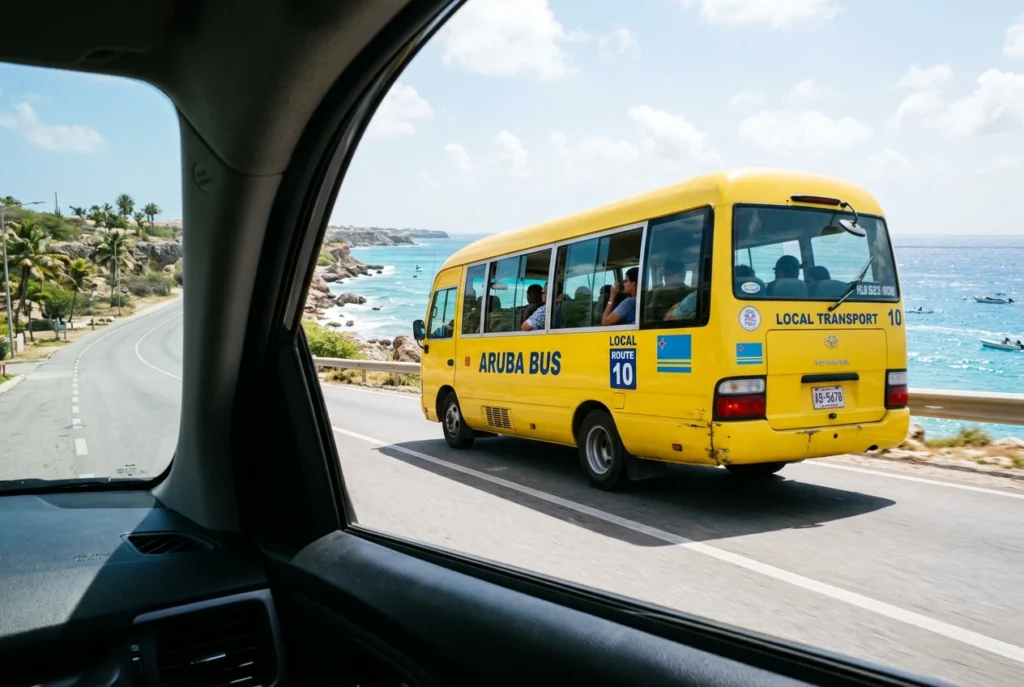
- Public Bus: The Arubus system is cheap and reliable for routes between the hotel areas, downtown Oranjestad, and the supermarket mall. It’s not practical for the northern or eastern parts of the island. A ride costs about $2.60.
- Ride-Sharing: Not available. Taxis are your only on-demand option.
Where to Stay in Aruba
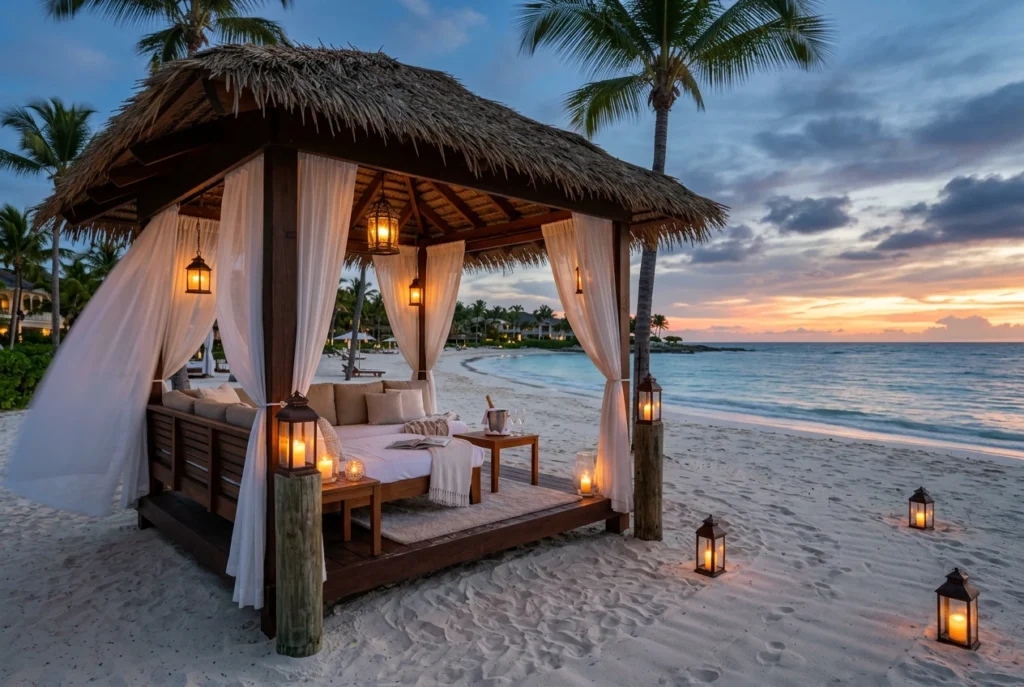
Your base defines your trip. Aruba’s accommodations are concentrated in a few key areas, each with a distinct personality.
Palm Beach: This is the vibrant, energetic heart of tourism. Think high-rise hotels, casinos, bustling bars, and shopping plazas. It’s perfect if you want everything at your doorstep and don’t mind the activity.
- Luxury: The Ritz-Carlton, Aruba. Impeccable service, a stunning beachfront, and fantastic dining. The spa is a sanctuary.
- Mid-Range: Hilton Aruba Caribbean Resort & Casino. Great location, multiple pools, and a reliable brand with all the amenities for families and couples.
Eagle Beach: Home to the famous wide, soft sands often ranked among the world’s best. The vibe here is more relaxed and spread out, with mostly low-rise resorts and timeshares.
- Luxury (Adults-Only): Bucuti & Tara Beach Resort. Consistently award-winning for its serene, eco-friendly atmosphere and exceptional service. The beach here is sublime.
- Mid-Range: Amsterdam Manor Beach Resort. A charming, family-friendly low-rise with a great beachfront and a more intimate feel than the Palm Beach towers.
Oranjestad & Inland: For a more cultural or budget-conscious stay. You’ll be closer to local life and need transportation to the best beaches.
- Budget/Vibe: Aruba Harmony Apartments. Clean, self-catering options that let you live more like a local. Rent a car and explore.
Top Things to Do in Aruba
- Claim Your Spot on Eagle Beach. Go early, rent a palapa (thatched shade umbrella), and spend a morning in the sugar-soft sand. The water is impossibly calm and clear here.
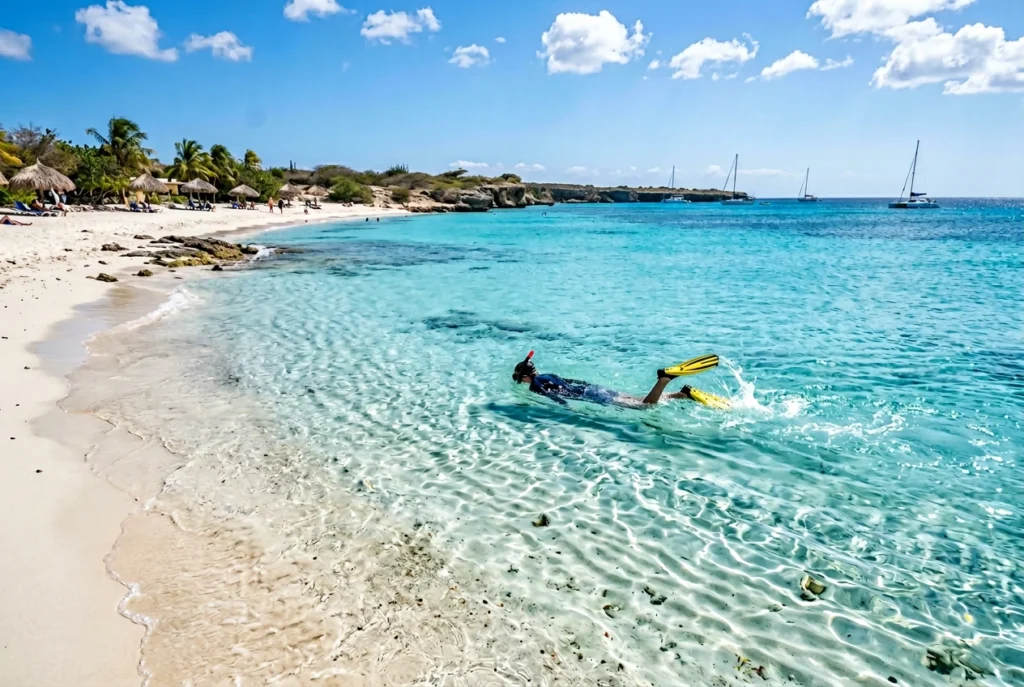
- Snorkel the Antilla Wreck & Reefs. The wreck of a German freighter is Aruba’s most famous snorkel site. Book a boat trip from De Palm Pier or Moomba Beach. For an easy shore dive, Boca Catalina is my go-to—just swim out from the beach.
- Explore Arikok National Park. This protects nearly 20% of the island. Rent a 4×4 or join a UTV tour to see dramatic dunes, ancient cave paintings at Fontein Cave, and the rugged Natural Pool (Conchi).
- Watch Sunset at the California Lighthouse. Drive up to the northern tip for panoramic views. For a drink with the view, make a reservation at the adjacent Faro Blanco Restaurant.
- Stroll Oranjestad. The capital is colorful and walkable. See the Wilhelmina Park, shop for souvenirs on Main Street, and admire the Dutch colonial architecture. The free trolley is a fun way to get around the main district.
- Take a Sunset Sail. It’s a cliché for a reason. The evening light over the Caribbean, with a drink in hand, is magical. Catamarans like the Mona Lisa offer a classic experience.
Where to Eat & Drink
- For a Splurge: Flying Fishbone in Savaneta. Dining with your feet in the sand as the sun sets is unforgettable. The seafood is fresh, and the wine list is extensive. Reservations are mandatory.
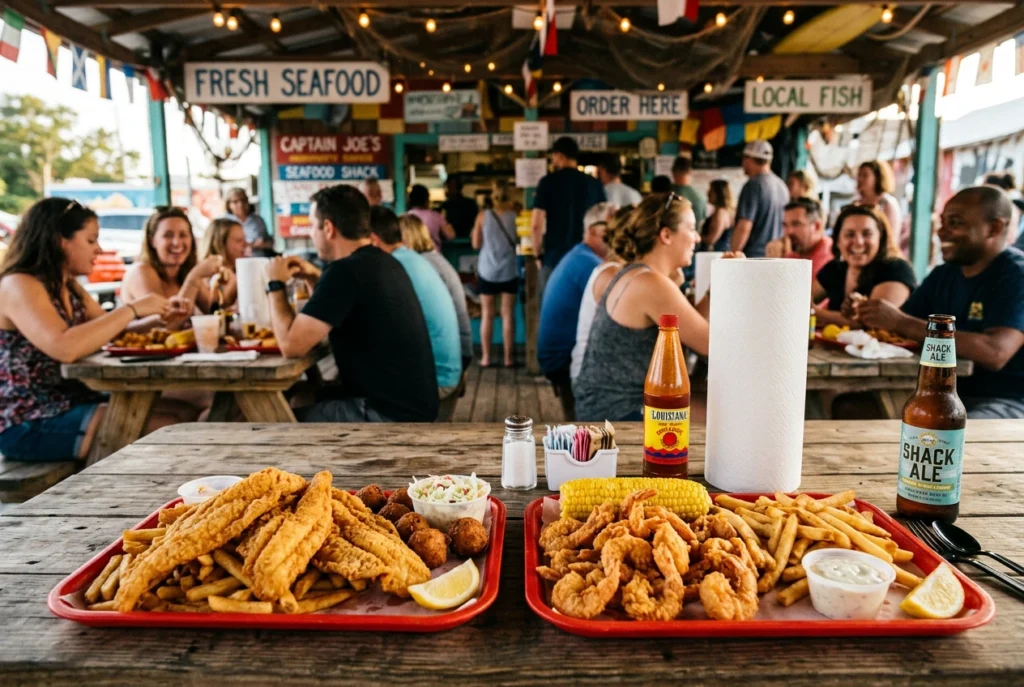
- For the Local Experience: Zeerovers in Savaneta. This is not fancy. You queue, order fresh-caught fish or shrimp by the pound, get fries and fried plantains, and eat at picnic tables overlooking the water. It’s honest, delicious, and a cultural immersion. Cash is best.
- For Dutch-Caribbean Fusion: Papiamento Restaurant. Housed in a 126-year-old cunucu (country house) with an enchanting courtyard pool. The keshi yena (stuffed cheese) is a must-try Aruban dish.
- For a Casual Lunch: The Old Cunucu House. Another charming historic setting offering great local staples like sopi di pisca (fish soup) and pastechi (savory pastries).
- For Drinks & Sunset: Bugaloe Beach Bar & Grill on De Palm Pier. Literally built over the water next to the snorkel boats. The vibe is upbeat, and the sunset views are unbeatable.
Common Mistakes to Avoid
- Underestimating the Sun and Wind. The breeze is deceiving. You can burn severely in under an hour. Use reef-safe sunscreen religiously and reapply after swimming. A hat and a light long-sleeve cover-up are wise.
- Not Renting a Car for Exploration. If you only stay on Palm Beach, you’re missing over half of what makes Aruba special. The lunar landscapes of Arikok, the dramatic cliffs of the north coast, and the authentic local spots require wheels.
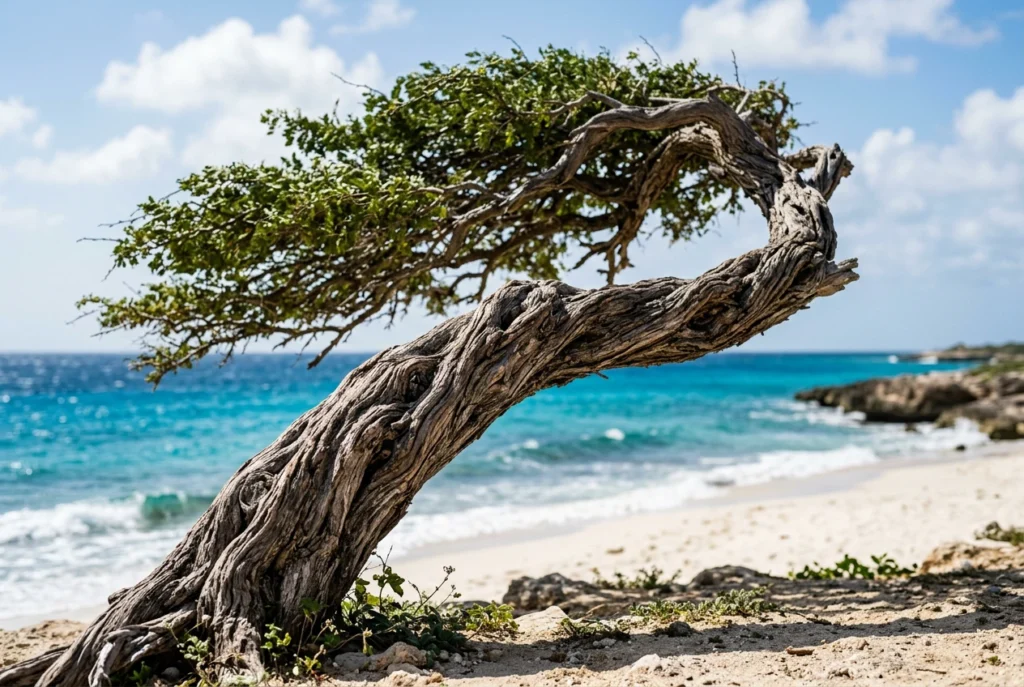
- Expecting a Lush, Tropical Jungle. Aruba is a desert island with cacti, divi-divi trees, and rocky coastlines. Its beauty is stark and dramatic, not verdant and rainforest-like. Adjust your expectations accordingly.
- Forgetting to Reserve Popular Restaurants. Especially in high season, top tables at places like Flying Fishbone, Madame Janette, or Fred Royal are booked weeks in advance. Plan your dining early.
- Touching the Coral. The marine ecosystem is fragile. Practice good snorkeling/diving etiquette: never stand on or touch the coral, and avoid stirring up sand with your fins.
- Exchanging Too Much Money. The U.S. Dollar is accepted everywhere, often at a 1:1.77 rate with the Aruban Florin (AWG). You rarely need local currency. ATMs dispense both, but most transactions can be done on card or with USD.
Conclusion
Choosing the best time to travel to Aruba comes down to a simple trade-off: perfect weather for a premium, or slight climatic concessions for major savings and space. My advice? For a first-time visit aiming for the classic postcard experience, shoot for April or May. You’ll get phenomenal weather, good value, and a lively but not overwhelming atmosphere. Whenever you choose, remember that Aruba’s greatest asset is its consistency—both in climate and in its welcoming, happy spirit. Do a little planning, pack your sense of adventure (and sunscreen), and you’re set for a fantastic trip.
C. FAQ SECTION
Q: Is Aruba in the hurricane belt?
A: No, Aruba is located well south of the main Caribbean hurricane belt. While it can experience peripheral effects like increased rain or swell, the chance of a direct hurricane hit is extremely low (less than 1% annually), making it a very safe year-round destination weather-wise.
Q: What should I pack for Aruba?
A: Pack light, breathable clothing, a swimsuit, a cover-up, and sturdy sandals. Essential non-clothing items include high-SPF reef-safe sunscreen, a wide-brimmed hat, sunglasses, and a reusable water bottle. A light sweater or windbreaker is useful for breezy evenings and air-conditioned restaurants.
Q: Do I need to speak Dutch or Papiamento in Aruba?
A: Not at all. While Dutch and Papiamento are the official languages, English is widely spoken throughout the tourism sector—in hotels, restaurants, and shops. Spanish is also commonly spoken. You’ll have no language barriers as a visitor.
Q: Is the tap water in Aruba safe to drink?
A: Yes. Aruba’s tap water is pure and safe to drink. It’s produced via a state-of-the-art desalination plant. Many locals and resorts even have their own filtration systems. This also means you can skip bottled water and refill your own bottle.
Q: What is the voltage and plug type in Aruba?
A: Aruba uses 110/120 volts, the same as in North America, with the same two-pronged flat-pin plugs (Type A/B). If you’re coming from the U.S. or Canada, you won’t need a power adapter or converter for most devices.
Q: Are there any cultural norms or etiquette I should know?
A: Arubans are famously friendly and polite. A simple “bon dia” (good day) or “bon tardi” (good afternoon) goes a long way. Dress is generally casual, but cover up when leaving the beach or pool area. Tipping is customary in restaurants (15-20%) and for taxi drivers and tour guides.
Q: Can I use my cell phone in Aruba?
A: Most major U.S. and Canadian carriers offer international roaming plans that include Aruba. Check with your provider before you travel. Alternatively, you can connect to Wi-Fi at hotels and cafes, or purchase a local SIM card at the airport or in Oranjestad for longer stays.
Q: What’s the best way to handle money in Aruba?
A: Use a credit card with no foreign transaction fees for most purchases. Notify your bank of your travel plans. While U.S. dollars are accepted everywhere, you may get change in Aruban Florins. It’s handy to have some small bills for tips, markets, or places like Zeerovers.