When Is the Best Time to Visit Costa Rica? A Region-by-Region Answer
The best time to visit Costa Rica isn’t a single answer — it splits cleanly by coast. On the Pacific side, December through April delivers the driest weather, the clearest roads, and the most predictable conditions for outdoor activities. The Caribbean coast runs on a near-opposite rhythm: its calmest, driest stretch typically falls in September and October, while the Pacific is still deep in rainy season. For 2026, early booking matters more than evermm that post-pandemic tourist demand is holding strong, with over 2.6 million international arrivals in 2023, with 2024–2025 figures tracking continued upward growth according to the Costa Rica Tourism Board (ICT). If you haven’t locked in accommodation by October for a December trip, you’re already late.
Most international visitors land at Juan Santamaría International Airport (SJO) in San José, the capital and main entry hub. A second option is Daniel Oduber Quirós International Airport (LIR) in Liberia, Guanacaste — ideal if your itinerary focuses entirely on the Pacific northwest coast, saving a 4–5 hour overland transfer. For Arenal, Manuel Antonio, or Osa Peninsula trips, SJO is the better gateway.
Table of Contents
What Are the Best and Worst Months to Go to Costa Rica?
The best months on the Pacific coast are December through April, with January and February offering the peak of dry season. The worst are September and October — peak rainfall, some road closures, and limited tour availability in certain regions. On the Caribbean, that logic inverts almost completely.
Quick Answer: December–April is the best window for Pacific-side travel, offering minimal rain and ideal surf, hiking, and wildlife-watching conditions. September–October is wettest on the Pacific but driest on the Caribbean. November bridges both coasts reasonably well and costs significantly less than peak season.
December through April is what most travelers mean when they say “dry season” in Costa Rica. Guanacaste, Tamarindo, Manuel Antonio, and the Nicoya Peninsula all hit their stride here. Roads that become impassable rivers in October are firm and driveable. Wildlife is concentrated around shrinking water sources, which makes spotting animals in places like Corcovado National Park in the Osa Peninsula dramatically easier.
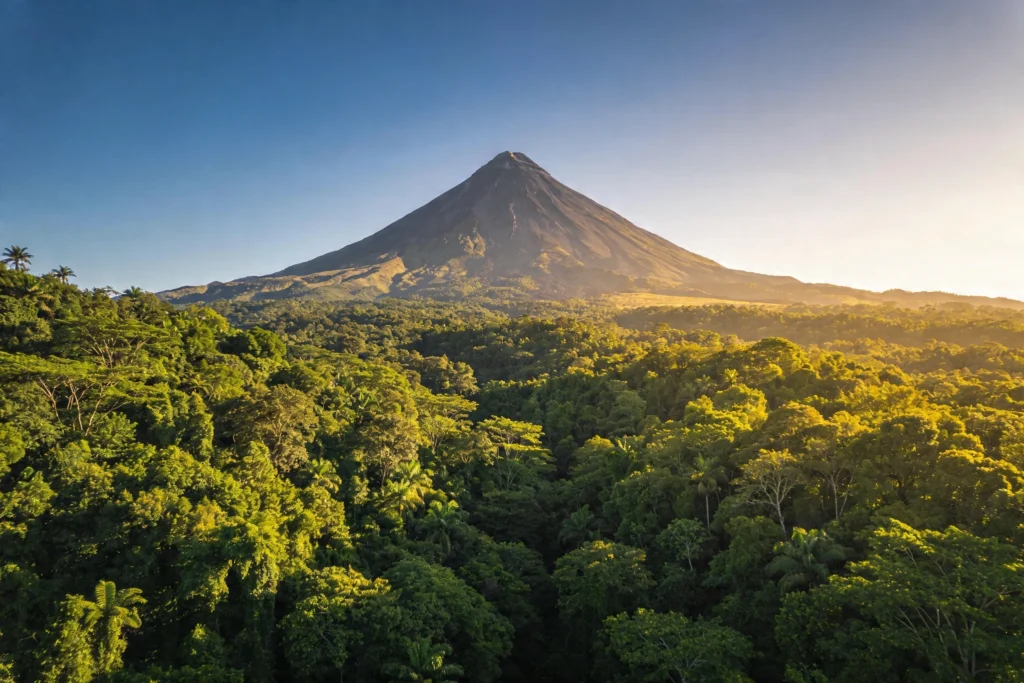
May through November is the green season — not a rainy-day washout, but a wetter, quieter, cheaper version of the country. Mornings are often clear. Rain typically arrives in the afternoon, hard and fast, then stops. Arenal Volcano near La Fortuna stays moody and dramatic through this period, and the cloud forest at Monteverde fills with fog that makes the canopy experience genuinely otherworldly.
Here’s the thing about the “worst” months: September and October are objectively the wettest on the Pacific, but that framing misses something. Those are exactly the months the Caribbean coast — Tortuguero, Puerto Viejo, Cahuita — calms down. The country doesn’t have a universally bad time. It has regional trade-offs.
Note: Semana Santa (Holy Week, the week before Easter) triggers a sharp domestic tourism surge across Costa Rica — roads clog, beaches fill, and mid-range hotels sell out weeks in advance. If your dates overlap with Easter week, book accommodation at least 8–10 weeks ahead and expect 20–30% higher prices.
Costa Rica Weather by Month — Full Breakdown
Costa Rica’s climate is defined by two seasons — the dry season (verano) and the green season (invierno) — but that framing only holds on the Pacific side. Instituto Meteorológico Nacional de Costa Rica (IMN) data shows the Pacific coast receives between 100–200 inches of annual rainfall, most of it concentrated between May and November.
| Month | Season | Pacific Coast | Caribbean Coast | Crowd Level | Price Level |
|---|---|---|---|---|---|
| January | Dry | Sunny, warm, 0–5 rain days | Moderate rain possible | High | High |
| February | Dry | Peak dry season, hot | Some rain | High | High |
| March | Dry | Hot, low humidity | Increasing rain | High | High |
| April | Dry → Transition | First rains late month; Semana Santa surge if Easter falls here — book 8–10 weeks ahead | Rainy | Medium-High | Medium-High |
| May | Green | Daily afternoon rain begins | Heavy rain | Medium | Medium |
| June | Green | Rainy but manageable | Very wet | Medium-Low | Low-Medium |
| July | Green | Veranillo de San Juan (brief dry spell, Pacific) | Wet | Low-Medium | Low |
| August | Green | Wet, lush, some flooding risk | Heavy rain | Low | Low |
| September | Peak rain | Wettest month Pacific | Dry season begins | Very Low | Lowest |
| October | Peak rain | Road closures possible | Driest month Caribbean | Very Low | Lowest |
| November | Transition | Rain tapering off | Transitioning | Low-Medium | Low-Medium |
| December | Dry | Dry season begins Pacific | Mixed | High | High |
July deserves a special note. Hidden inside what most people write off as mid-rainy season is the Veranillo de San Juan — a 1 to 2 week dry interlude on the Pacific side, usually arriving around late June to mid-July. Locals know it. Most travel articles don’t mention it. If you’re targeting a budget trip with decent weather, the first two weeks of July can genuinely surprise you.
Best Time to Visit Costa Rica by Region
The best time to visit Costa Rica varies significantly by region, and treating the country as a single climate zone is one of the most common planning mistakes travelers make.
Pacific Coast (Guanacaste, Tamarindo, Nicoya Peninsula, Manuel Antonio)
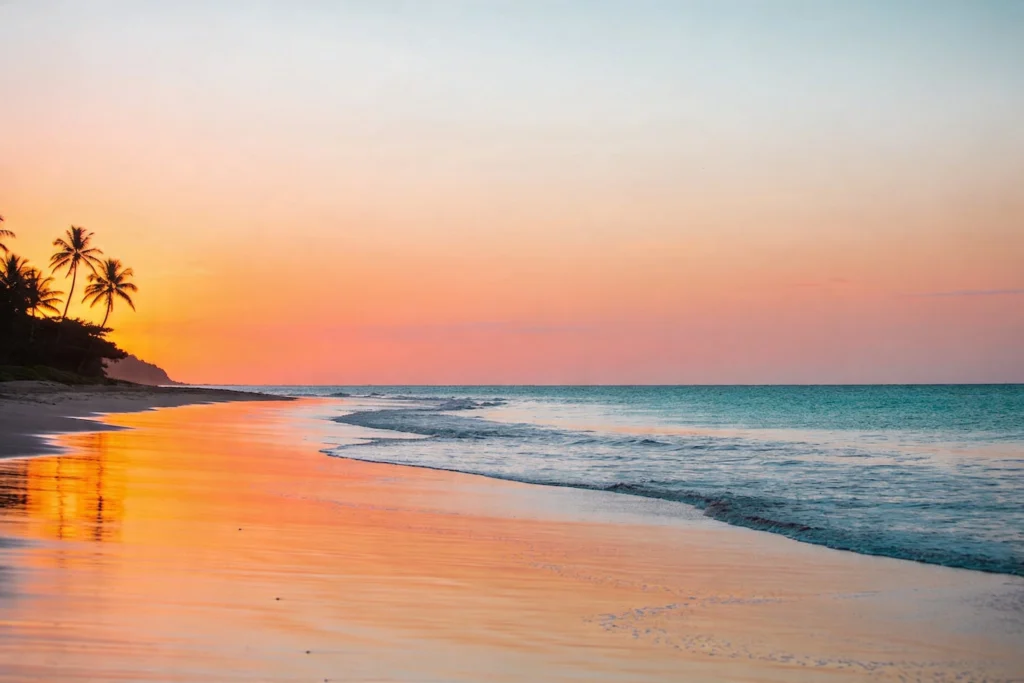
December through April is your window. The northwest — particularly Guanacaste and Tamarindo — is the driest part of the country in peak season. Manuel Antonio National Park, roughly five hours south, gets slightly more shoulder-season rain but is manageable through November. Surf season peaks October through April on the Pacific, with offshore winds creating cleaner waves early in the morning.
Note: If your Pacific coast trip falls in March or early April, check whether Semana Santa (Holy Week) overlaps with your travel dates. Tamarindo, Sámara Beach, and Manuel Antonio see sharp domestic crowd surges during Easter week — book accommodation at least 8–10 weeks ahead and expect 20–30% higher prices than standard high-season rates.
Arenal and La Fortuna
The volcano region sits in a micro-climate that gets rain almost year-round. That’s not a deterrent — it’s practically part of the experience. The hot springs around La Fortuna work in any weather, obviously. For the best chance of actually seeing Arenal’s cone without cloud cover, aim for February or March. Even then, don’t count on it. I’ve stood at the Arenal Observatory Lodge in mid-February watching a perfect crater view disappear in ten minutes flat.
Osa Peninsula and Corcovado National Park
This is Costa Rica’s most biodiverse corner and one of its wettest. The dry season (December–April) is still your most practical window, but even then expect humidity and occasional rain. September and October can make the park’s trails genuinely difficult. Wildlife viewing — tapirs, scarlet macaws, jaguar tracks — is extraordinary year-round, but January–March offers the highest trail access and the lowest flood risk.
Caribbean Coast (Tortuguero, Puerto Viejo, Cahuita)
Covered in full detail in the section below.
Best Time to Visit Costa Rica Caribbean Coast
The Caribbean coast runs on a completely different rainfall calendar from the Pacific — and most travel sites gloss over this completely. September and October are typically the driest and most accessible months on the Caribbean side, exactly when the Pacific is at its wettest.
Quick Answer: The best time to visit Costa Rica’s Caribbean coast is September–October (dry, uncrowded, cheapest) and February–March (another drier window). Avoid June–July when heavy rains hit this coast hardest. Tortuguero’s sea turtle nesting season peaks July–October regardless of weather.
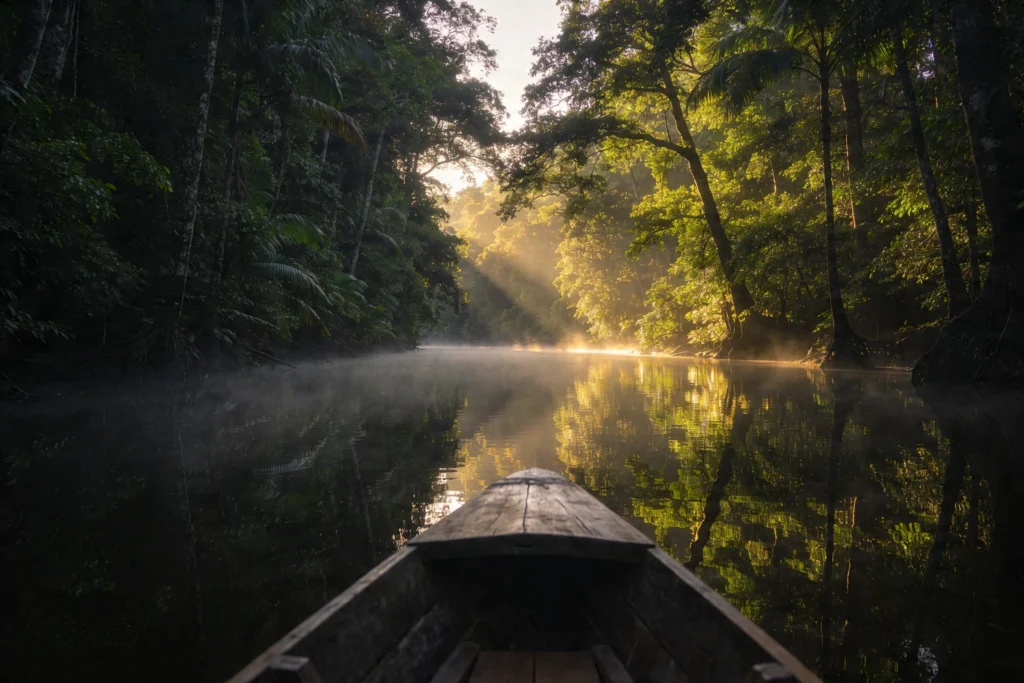
The Caribbean coast — stretching from Tortuguero in the north down to Puerto Viejo de Talamanca and Cahuita — gets rain from the northeast trade winds rather than the Pacific weather patterns. This means when Guanacaste is sunny and packed in January, Puerto Viejo might be dealing with a week of steady drizzle. And when Tamarindo is flooded in October, the beaches near Cahuita can be perfectly calm.
I learned this the hard way. I arrived in Puerto Viejo in late January expecting dry weather — it was raining every other day, and the owner of my small guesthouse near the Cahuita National Park entrance explained, matter-of-factly, that January is not a reliable dry month on this coast. She said the real sweet spot is late September through early November. It felt counterintuitive after months of reading Pacific-centric travel advice, but she was right. The takeaway: before booking the Caribbean coast, check its specific forecast — not Costa Rica’s general weather pattern.
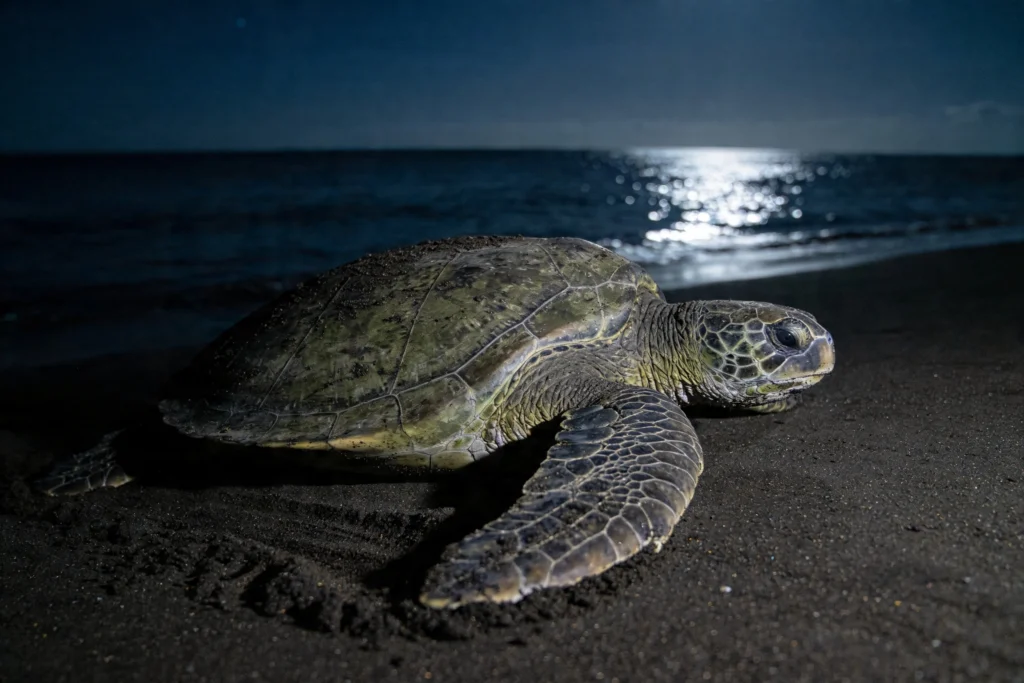
For wildlife-focused travelers, Tortuguero National Park is the Caribbean’s headline destination. Green sea turtles nest here from July through October, with August being peak nesting activity. The narrow canals that run through the park are accessible by boat year-round, but water levels are most navigable in the wetter months.
What Is the Cheapest Month to Go to Costa Rica?
September is consistently the cheapest month to visit Costa Rica, with hotel rates on the Pacific coast dropping 30–50% compared to peak season in January or February. It’s the low point of low season.
Quick Answer: September offers the lowest prices across Costa Rica — flights, hotels, and tours all drop significantly. Budget travelers can expect to pay roughly half of January prices in most Pacific-coast towns. The tradeoff is peak rainfall on the Pacific, though the Caribbean coast is actually drier in September than in January.
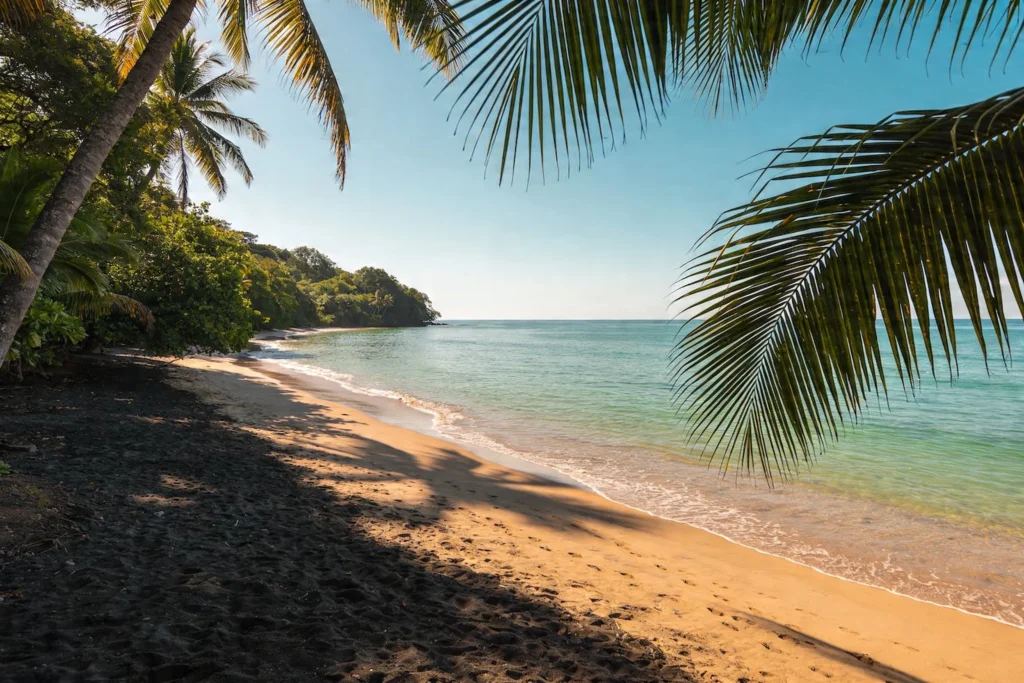
The cheapest time to travel to Costa Rica runs roughly August through early November. In places like Sámara and Dominical, small boutique hotels that charge $150–$180 per night in February will often drop to $80–$100 in September, and some offer multi-night discounts on top of that. Flights from the US drop noticeably too, especially from hub cities like Miami, Houston, and New York.
For budget travelers, here’s the real calculation: you trade Pacific beach weather for Caribbean coast weather, and you gain significant savings. Book a trip in September that splits time between the Pacific (where you’ll see real rain) and the Caribbean (where September is legitimately one of the nicer months), and you’ve solved the equation. That’s not a compromise — it’s actually a smarter itinerary.
October is even cheaper in some pockets and remains the driest month on the Caribbean. The catch is that some remote areas in the Osa Peninsula — including parts of Corcovado — can become inaccessible due to flooding. Always check park status in advance for October visits.
Who Should Visit When — By Traveler Type
| Traveler Type | Best Months | Why |
|---|---|---|
| First-timer (Pacific focus) | December–February | Reliable dry weather, full tour availability, all parks accessible |
| Budget traveler | September–October | Lowest prices across the board; Caribbean coast is dry |
| Wildlife / nature focused | July–August (turtles, Caribbean); Jan–March (Osa Peninsula, Pacific) | Peak turtle nesting July–Oct in Tortuguero; best Corcovado access Jan–March |
| Surfer | October–April (Pacific); variable Caribbean | Offshore winds and consistent swell on Pacific northwest coast |
| Family with kids | January–March | Predictable weather, calm water at Tamarindo and Sámara Beach, most family infrastructure open |
| Whale watching | August–October and December–April | Humpback whales pass through Drake Bay (Osa Peninsula) twice yearly |
What Is the Top Predator in Costa Rica?
The jaguar is Costa Rica’s apex predator — the largest wild cat in the Americas and the top of the food chain in every ecosystem it inhabits in the country.
Quick Answer: The jaguar (Panthera onca) is the top predator in Costa Rica. Critically endangered and rarely seen, jaguars survive mainly in Corcovado National Park on the Osa Peninsula and in parts of the La Amistad International Park along the Talamanca Mountain range near the Panama border.
Jaguars aren’t gone from Costa Rica — they’re just extraordinarily elusive. The Osa Peninsula holds the country’s most significant remaining jaguar territory. Corcovado is the place you’re most likely to see tracks, camera trap footage, or — if you’re very lucky — a brief sighting at dawn or dusk near a river crossing. Local guides who know the park well will tell you the dry season (January–March) gives you better odds on trails because vegetation is less dense and animals concentrate near water.
That said, the country’s wildlife story doesn’t begin and end with jaguars. Pumas, ocelots, and tapirs round out the large mammal cast. In the ocean off the Pacific coast, bull sharks and whale sharks qualify as marine apex predators, and humpback whales pass through the waters off Drake Bay on the Osa Peninsula during their annual migrations in August–October and again December–April.
What Is the #1 Tourist Attraction in Costa Rica?
Arenal Volcano — and the surrounding La Fortuna region — is consistently Costa Rica’s most-visited single attraction, drawing travelers with a combination of active volcano scenery, hot springs, waterfall hikes, and canopy tours.
Quick Answer: Arenal Volcano National Park near La Fortuna is Costa Rica’s most visited attraction. The combination of a near-perfect conical volcano, accessible hot springs, waterfalls like La Fortuna Waterfall, and adventure activities (zip-lining, white-water rafting, hanging bridges) makes it the country’s most versatile destination for all traveler types.
In practice, Manuel Antonio National Park on the Pacific coast rivals Arenal for visitor numbers — it packs one of the world’s highest biodiversity densities into a small area, with white-sand beaches backed by forest teeming with monkeys, sloths, and over 100 bird species. Manuel Antonio works best from December through April, when the park’s main trail network stays dry and the beach at Playa Biesanz has calm, swimmable water. Arrive before 7am — the park caps daily visitor numbers and fills up fast on weekends during high season.
For wildlife-focused travelers, Tortuguero National Park often tops the list, especially July through October. The canal boat rides through primary rainforest, combined with nighttime sea turtle nesting on the beach, deliver an experience that’s genuinely hard to replicate elsewhere in the Americas.
Common Mistakes to Avoid
Treating the whole country as one climate zone. The Pacific and Caribbean coasts have near-opposite rainfall calendars. Always check which coast you’re visiting before drawing any weather conclusions.
Assuming October is universally bad. It’s the wettest month on the Pacific — true. It’s also the driest month on the Caribbean. October in Puerto Viejo can be genuinely pleasant.
Booking peak-season accommodation too late. When I arrived in Guanacaste in late November, every hotel near Tamarindo was already half-full — I hadn’t expected shoulder season to fill that fast. High season crowds start building in December, and the good mid-range properties fill by early November. Book by September for December–February travel.
Ignoring Semana Santa. Easter week is the single most disruptive travel event in Costa Rica’s domestic calendar. If your trip falls anywhere near Holy Week — which moves year to year but typically lands in late March or April — treat it like a second high season. Beaches fill with Costa Rican families, prices surge 20–30%, and transportation gets chaotic. Plan around it or book months ahead.
Underestimating road conditions in rainy season. Even with a 4WD rental, certain roads near Corcovado and in the Nicoya Peninsula’s interior become genuinely dangerous in September–October. Check current road conditions with your accommodation before driving. Locals will give you a straight answer; rental car companies often won’t.
Skipping the Caribbean coast entirely. Most first-time visitors stick to the Pacific. That means you’re missing Tortuguero’s canals, the reggae-influenced food culture of Puerto Viejo, and the Cahuita reef — one of Costa Rica’s only accessible coral reef snorkel sites.
Confusing “green season” with “bad season.” Afternoon rain in June or July doesn’t ruin a trip — it reshapes one. Mornings are often clear, everything is lush, prices are lower, and crowds are thinner. Some travelers prefer it.
Plan Your Costa Rica Trip Around the Right Season
The best time to visit Costa Rica depends on three things: which coast you’re targeting, how much flexibility you have on price, and what you actually want to do. December–April delivers the most reliable conditions on the Pacific side. September–October flips the script for Caribbean coast travel and delivers the lowest prices anywhere in the country. Watch out for Semana Santa if your dates fall in late March or April — it’s the one week that catches even experienced travelers off guard. For 2026, book early — demand remains strong and good mid-range options fill faster than most travelers expect. Start with your coast, then pick your month, and the rest of the planning gets significantly easier.
C. FAQ SECTION
Q: Is June a good time to visit Costa Rica?
A: June is the start of rainy season on the Pacific coast, with afternoon showers most days — but mornings are often sunny and temperatures stay warm. It’s a reasonable time to visit if you’re budget-conscious: prices drop noticeably, crowds thin out, and the landscape is at its greenest. Avoid driving remote roads in the Osa Peninsula in June without checking conditions first.
Q: Is November a good time to go to Costa Rica?
A: November is a transition month. The Pacific coast’s rains begin tapering off, and by late November conditions improve significantly — especially in Guanacaste and Tamarindo. It’s the beginning of the high-season surge in terms of bookings, so prices start creeping up from September lows. If you travel in early November, you’ll see lower rates with increasingly manageable weather.
Q: What is Costa Rica like in July?
A: July on the Pacific coast is mid-rainy season, but it holds a useful surprise: the Veranillo de San Juan — a 1 to 2 week natural dry spell, usually in late June to mid-July, that brings brief sunny, dry conditions to the Pacific side. Most travel guides don’t mention it. If you’re flexible with your exact dates, timing a July trip around this window is a legitimate strategy for saving money while getting better weather.
Q: Is October a good time to visit Costa Rica?
A: On the Pacific coast, October is the wettest month — road closures in remote areas are possible, and some tour operators reduce their schedules. On the Caribbean coast, it’s the opposite: October is typically the driest month of the year. If your trip focuses on Puerto Viejo, Tortuguero, or Cahuita, October is actually one of the better times to go, with lower prices to match.
Q: What’s the best time to visit Costa Rica for wildlife watching?
A: It depends on what you’re looking for. Green sea turtles nest in Tortuguero from July through October, with August as peak activity. Humpback whales appear off the Osa Peninsula in August–October and again December–April. Corcovado National Park offers the best jaguar and tapir sighting conditions January–March when trails are driest. In practice, Costa Rica’s wildlife watching is excellent year-round — it’s access and trail conditions that vary.
Q: How far in advance should I book for Costa Rica high season?
A: For December through February travel, book accommodation and major tours at least 3–4 months in advance. Mid-range hotels in popular areas like Tamarindo, Manuel Antonio, and La Fortuna fill faster than most first-time visitors expect. Shoulder season (November, March–April) requires 6–8 weeks of lead time at minimum. For green season travel, you have more flexibility — but popular eco-lodges near Corcovado and Tortuguero fill up even in rainy season.
Q: Do I need a visa to visit Costa Rica in 2026?
A: Citizens of the US, Canada, the UK, and most EU countries don’t need a visa for stays up to 90 days. As of 2026, Costa Rica requires proof of onward travel (a return ticket or ticket to a third country) at the border — this rule is enforced, particularly at land crossings. Travelers must also have a valid passport with at least 6 months’ validity remaining. Always verify entry requirements with the Costa Rican embassy before departure.
Q: What’s the cheapest way to travel Costa Rica on a budget?
A: September and October are the cheapest months across the board, with accommodation prices 30–50% lower than peak season on the Pacific coast. Traveling by public bus between major destinations — San José to La Fortuna, or San José to Puerto Viejo — is inexpensive and surprisingly reliable. Eating at sodas (local family-run restaurants) rather than tourist-facing restaurants cuts daily food costs significantly without sacrificing quality.
Q: Is Costa Rica expensive?
A: Costa Rica is one of the more expensive countries in Central America — comparable to Southeast Asian destinations like Thailand or Bali rather than budget-friendly neighbors like Nicaragua or Guatemala. Mid-range travelers typically spend $100–$180 per day including accommodation, food, and activities. Budget travelers using public buses, eating at sodas, and staying in hostels can manage $50–$80 per day. Prices spike 20–40% during peak season (December–February) compared to green season lows.
Q: What is the best airport to fly into for Costa Rica?
A: For most itineraries, Juan Santamaría International Airport (SJO) in San José is the best entry point — it has the most international flight connections and central positioning for reaching all major destinations. If your trip focuses entirely on Guanacaste, Tamarindo, or the Nicoya Peninsula, fly into Daniel Oduber Quirós Airport (LIR) in Liberia to save a 4–5 hour road transfer.
Q: Is Costa Rica safe to visit in 2026?
A: Costa Rica is generally one of the safer destinations in Central America for tourists. Petty theft — particularly in San José bus stations and crowded beach towns — is the most common issue. Violent crime targeting tourists is rare but not unknown in certain urban areas. Standard precautions: don’t leave valuables in rental cars, use ATMs inside banks or malls, and always check road conditions before driving remote routes in rainy season.