When Is the Best Time to Visit Hawaii — and Why It Actually Depends
The best time to visit Hawaii is April–May or September–October. Both windows hit the shoulder season sweet spot: drier skies, manageable crowds, and accommodation rates running 20–40% below peak pricing. That said, the “right” answer shifts depending on whether you’re watching humpback whales, chasing a budget deal, or avoiding Maui’s summer traffic altogether.
Hawaii gets visitors year-round, and no month is genuinely miserable. But the difference between July and September in Waikiki is real — shoulder season means shorter lines at Road to Hana trailheads, available dinner reservations, and flights that don’t require booking six months out. According to 2026 travel data, mid-range hotels on Maui and Oahu average $140–$200 per night during shoulder season compared to $200–$300 in winter peak. The calendar matters more than most travelers realize. See our full guide to the best time to travel by destination for broader seasonal context.
Table of Contents
What Are the Best Months to Visit Hawaii?
The best months to visit Hawaii are April, May, September, and October. These four months consistently deliver the strongest combination of reliable dry weather, lower visitor numbers, and competitive prices on flights and accommodation across all islands — including Oahu, Maui, the Big Island, and Kauai.
Quick Answer: The best months to visit Hawaii are April, May, September, and October. These shoulder season months offer drier weather than winter, significantly fewer crowds than summer, and hotel rates that run 20–40% lower than peak periods. September is widely considered the single best month for value.
Here’s why these months outperform the rest. April and May sit right after the winter whale-watching rush and before summer school holidays kick in. Trade winds stabilize, rainfall drops across the leeward coasts of all islands, and you’re not competing with July’s mainland family travelers for rental cars and snorkel tours. On Maui specifically, May is frequently recommended over June or July in traveler discussions — you get nearly identical beach weather without the crowds that clog the Road to Hana by mid-morning.
September and October are the mirror image on the other side of summer. The ocean is at its warmest — water temperatures hover around 80°F — beaches quiet down after Labor Day, and airline pricing typically drops noticeably. The Hawaii Vacation Guide calls September the single best month to visit, and most long-term travel observers agree. October extends that window with slightly lower humidity and some of the most consistent trade-wind conditions of the year.
The one caveat worth flagging: September falls inside Hawaii’s hurricane season (June–November). Direct hits are historically rare, but it’s worth having travel insurance and monitoring weather forecasts in the weeks before your trip. More on that below.
Hawaii Weather by Month: The Full Picture
Hawaii’s climate is split into two seasons — dry season (April–October) and wet season (November–March) — though “wet” in Hawaii rarely means what it does elsewhere. Even the rainiest months see sunshine most days, with rainfall concentrated on windward (northeast-facing) coasts and higher elevations.
| Month | Weather | Crowds | Avg. Hotel Rate | Notes |
|---|---|---|---|---|
| January | Warm, some rain | High | $$$ | Post-holiday rush; whale season starts |
| February | Warm, some rain | High | $$$ | Whale watching peak; Valentine’s week expensive |
| March | Warming, mixed | High | $$$ | Spring break surge |
| April | Dry, warm | Medium | $$ | Shoulder season begins; strong value |
| May | Dry, warm | Low–Medium | $$ | Best month for Maui; ideal conditions |
| June | Hot, dry | High | $$$ | Summer crowds arrive; school’s out |
| July | Hot, dry | Peak | $$$$$ | Most expensive month; busiest beaches |
| August | Hot, dry | Peak | $$$$ | Peak hurricane risk; still very crowded |
| September | Warm, mostly dry | Low | $ | Best overall value; warmest ocean |
| October | Warm, mostly dry | Low–Medium | $$ | Excellent conditions; shoulder deal |
| November | Warm, slightly wetter | Low | $$ | Great value until Thanksgiving week |
| December | Mixed, some rain | Very High | $$$$$ | Holiday surge; most expensive week of year |

What Is the Cheapest Time to Go to Hawaii?
The cheapest time to go to Hawaii is September through early November, with September consistently showing the lowest airfare and hotel rates of the year. Mid-April through early June runs a close second. These off-peak windows can save travelers hundreds of dollars compared to July or December — in some cases, accommodation costs drop 30–40% versus winter rates.
Quick Answer: The cheapest time to go to Hawaii is September, when both flights and hotels hit their annual low point. Mid-April through early June is the second most affordable window. Avoid July, August, and the last two weeks of December, which are consistently the most expensive periods.
I planned a September trip to Oahu specifically around this pricing window. I booked a beachfront hotel in Waikiki on a Tuesday — flights included — for roughly 35% less than the same property had charged in July. The beaches weren’t empty, but the crowds were manageable. The lesson: booking mid-week in early September, rather than around Labor Day weekend, makes a real difference even within the shoulder season.

A few practical notes for budget hunters. First, the last week of December is the most expensive travel window in Hawaii — not just peak season, but the single costliest week of the entire year. Avoid it unless budget isn’t a concern. Second, Thanksgiving week (late November) spikes sharply — early November is affordable, but prices jump the week of November 26–30. Third, Tuesday and Wednesday flights typically show lower airfare than weekend departures; this holds true for Hawaii routes as it does elsewhere.
What Is the Worst Time to Visit Hawaii?
The worst time to visit Hawaii is mid-July through early August for crowds and cost, and December through March if rain concerns you. July sees peak visitor volumes across Oahu, Maui, and the Big Island simultaneously — rental car queues at Kahului Airport can stretch over an hour, and popular hikes like Diamond Head or the Pipiwai Trail on Maui get uncomfortably crowded before 9 a.m.
Quick Answer: The worst time to visit Hawaii for crowds and prices is July through early August — peak summer season brings maximum tourist volume and the highest hotel and flight rates of the year. For weather, mid-December through February has the most rainfall, though it rarely disrupts a full trip.
That said, “worst” is relative. July’s weather is excellent — sunny, dry, and warm. If summer is your only option due to school schedules, Hawaii in July still beats most other destinations. The issue isn’t the weather; it’s the logistics. Parking at Hana Highway pull-offs fills by 7 a.m. Popular snorkel spots like Molokini Crater see boat capacity hit by mid-morning. Restaurant wait times in Lahaina or Kailua double. For anyone prioritizing a relaxed, unhurried experience, July and August work against you.
Is February a Good Time to Visit Hawaii?
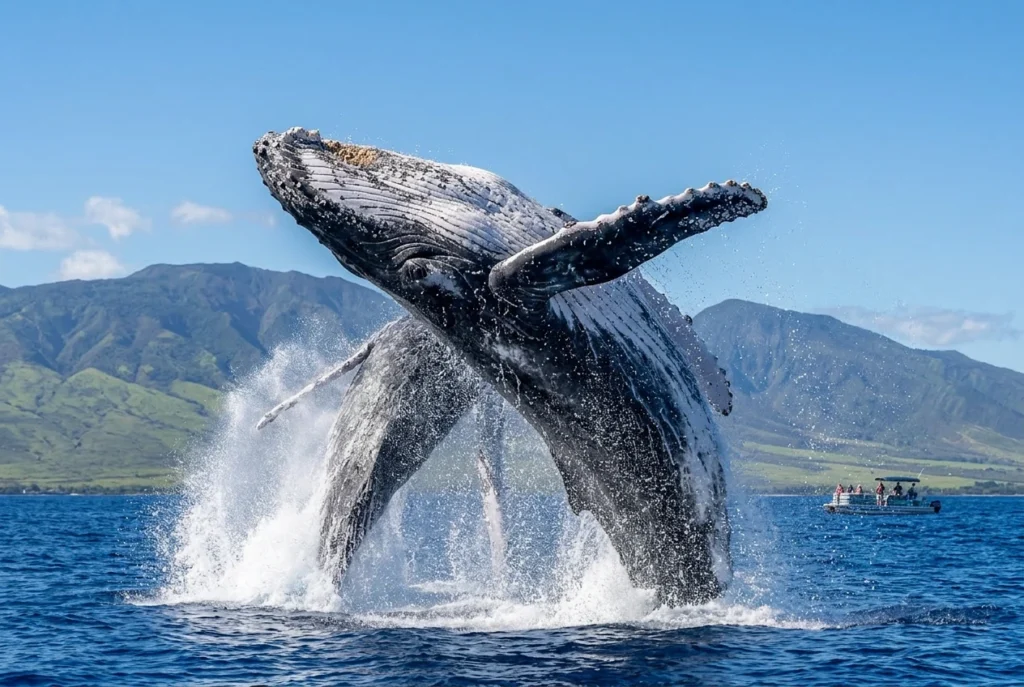
February is a good time to visit Hawaii if whale watching is your priority — it’s the peak of humpback whale season in Maui’s Auau Channel, with the largest concentrations of North Pacific humpbacks anywhere in the world. Weather is warmer and drier than the mainland, though February does sit in Hawaii’s wetter season, and trade winds can make the north shores of Oahu and Maui rougher than usual.
Quick Answer: February is a good time to visit Hawaii for whale watching — it’s the absolute peak of humpback whale season off Maui’s coast. Weather is mild compared to the mainland. That said, it’s still peak tourist season with higher prices, and it’s one of the wetter months. Come for the whales; just book early.
The crowds and cost are real factors. February falls firmly in Hawaii’s high season, driven partly by Valentine’s Day getaways, partly by mainland travelers escaping cold weather. Hotel rates in Maui and Waikiki during February can match or exceed summer pricing. If you’re not specifically coming for the whales, you’ll get better value and nearly as good weather in April or May.
Is November a Good Time to Visit Hawaii?
Early to mid-November is genuinely one of the best-kept timing secrets in Hawaii travel. Crowds are thin, prices sit near their annual low, and the ocean stays warm from a full summer of sun. The weather transition to the wet season is gradual — you’ll see slightly more cloud cover than September, particularly on windward coasts, but leeward beaches on Maui and Oahu still see consistent sunshine.
Quick Answer: Yes — early to mid-November is an excellent time to visit Hawaii. Prices run 30–40% below winter rates, crowds are minimal, and the ocean remains warm. Avoid Thanksgiving week (roughly November 26–30), when prices spike and visitor numbers jump. Weather is slightly wetter than October but far drier than December.
One important caveat: Thanksgiving week breaks the pattern entirely. I’ve looked at hotel pricing across Maui and Oahu for November 2026, and the jump between November 20 and November 26 is striking — some properties nearly double their rate for the Thanksgiving holiday window. Book either well before Thanksgiving or arrive after it. The days immediately following the holiday, once families have departed, return to normal shoulder-season calm.
North shore surf season also starts in November, which matters if you’re planning to watch big-wave surfing at spots like Pipeline or Sunset Beach on Oahu’s North Shore. The Vans Triple Crown of Surfing season typically opens in November — worth factoring in if that’s your thing.
What Is the Best Time to Visit Hawaii to Avoid Hurricanes?
The best time to visit Hawaii to avoid hurricane risk is April through May or December through March — both fall entirely outside Hawaii’s official hurricane season. Hurricane season in Hawaii runs from June 1 to November 30, with August and September representing the highest-risk months historically.
Quick Answer: To avoid hurricane risk entirely, visit Hawaii in April–May or December–March — both windows fall outside the June–November hurricane season. If you travel in September or October, which are otherwise excellent months, purchase travel insurance and monitor forecasts. Direct hurricane hits on Hawaii are historically rare but not impossible.
It’s worth putting the risk in context. Hawaii doesn’t experience hurricanes the way Florida or the Gulf Coast does. The islands’ position in the central Pacific and cooler surrounding waters cause most systems to weaken before making landfall. That said, storms do occasionally come close enough to cause significant rain, flooding, and surf disruption. Hurricane Lane in 2018 brought record-breaking rainfall to the Big Island. Hurricane Calvin in 2023 was a reminder that the threat is real, if infrequent.
The practical approach: if you’re visiting in September or October for the value and weather benefits, don’t avoid those months — just buy travel insurance that covers trip cancellation or interruption due to weather. Monitor the National Hurricane Center forecasts (NOAA) in the two weeks before your departure. That’s all most travelers need to do.
Best Time to Visit Hawaii by Island
Each island has its own microclimate quirks. The best time to visit Hawaii isn’t identical across Oahu, Maui, and the Big Island, so here’s where the timing differences actually matter.
Maui — The shoulder season verdict here is especially strong. May is widely regarded as Maui’s best month: dry season is fully established, summer crowds haven’t arrived, and the Road to Hana is manageable. February and March are peak whale-watching months in the Auau Channel. Avoid July and August for the same crowding reasons that affect all islands, amplified in Maui by its popularity.
Note for 2026 visitors: West Maui, including Lahaina, was severely affected by the August 2023 wildfires. As of 2026, parts of Lahaina are in active recovery and rebuilding. Visitors should check the latest access status directly with Maui’s tourism authority before planning activities in that area. The rest of Maui — Road to Hana, Haleakalā, South Maui beaches — remains fully open and unaffected.

Oahu — Oahu handles crowds better than Maui thanks to sheer size and infrastructure, but July and August still pack Waikiki hard. April, May, September, and October give you the best version of the island — quieter North Shore, faster Diamond Head, and a more local feel in Kailua and Lanikai.
Big Island (Hawaii Island) — According to Hawaii-Guide.com, the best months for the Big Island are May, August, or September, balancing weather, rates, and crowd levels. The Big Island’s stark climate variation — wet Hilo side vs. dry Kona coast — makes it more weather-resilient than Maui. Even during the wet season, the Kohala Coast stays sunny.
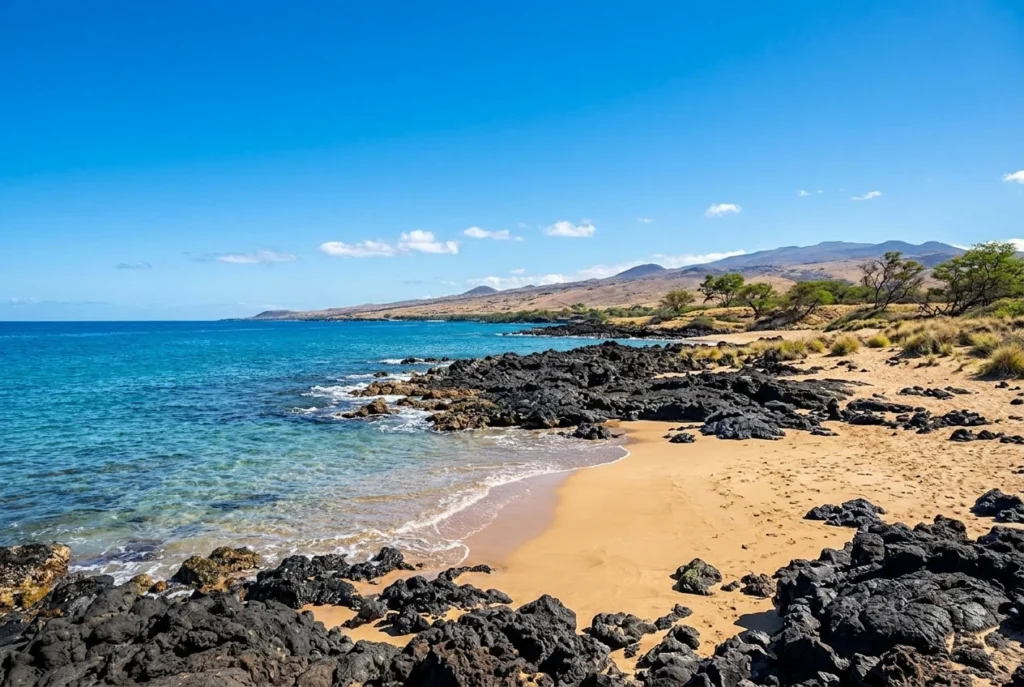
Kauai — The most susceptible to rain of all major islands. Stick firmly to the dry season (April–October) and favor the south shore (Poipu area) in any month.
Common Mistakes to Avoid
- Booking the last week of December without checking rates first. It’s the single most expensive week of the year across all islands. If you want a holiday trip, the first two weeks of January deliver winter sun at significantly lower prices.
- Treating September and October as risky because of “hurricane season.” These are statistically excellent months to visit. The hurricane label triggers unnecessary anxiety. Buy travel insurance and go.
- Assuming all islands have the same weather at the same time. The Big Island’s Kona coast can be dry and sunny while Hilo is getting 20 inches of rain in the same week. Research your specific destination within the island, not just the island.
- Ignoring the Thanksgiving week price spike in November. Early November is one of the best-value windows of the year. Thanksgiving week flips that entirely. The dates matter.
- Booking flights on weekends. Tuesdays and Wednesdays consistently show lower airfare on Hawaii routes.
- Visiting Maui in July expecting a relaxed experience. July is Maui’s peak season. Parking at Paia fills by 7 a.m. The Road to Hana requires a 5 a.m. start if you want photos without crowds.
- Not accounting for the leeward vs. windward difference. Waikiki (leeward Oahu) and the North Shore can have completely different weather on the same day. Choose accommodation based on which coast suits your activities.
Plan Your Hawaii Trip Around the Right Season
The best time to visit Hawaii comes down to what you’re optimizing for. For weather and value combined, April–May and September–October are the clear answer — shoulder season delivers drier skies, thinner crowds, and 20–40% lower accommodation costs versus peak periods. For whale watching, February is hard to beat. For pure budget travel, September is the single strongest month of the year. Whatever timing you choose, skip the last week of December, book mid-week flights, and get travel insurance if you’re visiting between June and November. Hawaii rewards travelers who plan with a bit of intention. For a full breakdown of seasonal travel across multiple destinations, visit our best time to travel guide.
About the Author
I’ve visited Hawaii across four different seasons — booking a September Oahu trip specifically around the shoulder-season pricing window, watching humpback whales breach off Maui’s Kaanapali coast in February, and learning the hard way that July on the Road to Hana means setting an alarm for 4:30am. I write about travel timing because it’s the difference between a trip that feels effortless and one that feels like a queue. I update this guide as Hawaii’s tourism patterns and pricing data evolve.
C. FAQ SECTION
Q: What are the best months to visit Hawaii overall?
A: April, May, September, and October are the best months to visit Hawaii. They sit in the shoulder seasons between winter peak and summer peak, delivering drier weather, lower hotel and flight costs, and noticeably thinner crowds at popular sites. September is particularly strong for value, while May is considered the best month for Maui specifically.
Q: What is the cheapest month to go to Hawaii?
A: September is consistently the cheapest month to visit Hawaii, with hotel rates and flights hitting their annual low. Mid-April through early June is the second most affordable window. Both fall in Hawaii’s shoulder seasons. The most expensive periods are July–August and the last two weeks of December, especially the final week of the year.
Q: What is the worst time to visit Hawaii?
A: July and early August are the worst time for crowds and pricing — peak summer season means maximum visitor volume, the highest hotel rates of the year, and congested beaches and trails. For rain, mid-December through February has the most rainfall, though it’s rarely disruptive. Even the “worst” months in Hawaii are warmer and sunnier than most mainland alternatives.
Q: Is February a good time to visit Hawaii?
A: February is excellent for whale watching — it’s the peak of humpback whale season off Maui’s coast. Weather is mild, but February is still high season, so expect higher hotel prices and larger crowds. If whale watching isn’t your priority, April or May give you similar weather with far better pricing and fewer visitors.
Q: Is November a good time to visit Hawaii?
A: Early to mid-November is one of the best-value windows of the year — prices run 30–40% below winter rates, crowds are thin, and the ocean is still warm. Avoid Thanksgiving week (around November 26–30), when prices spike sharply and crowds return. Weather is slightly wetter than September–October but significantly drier than December–February.
Q: When should I visit Hawaii to avoid hurricanes?
A: To avoid hurricane season entirely, visit April–May or December–March. Hurricane season runs June 1–November 30, with peak risk in August and September. That said, direct hits are historically rare in Hawaii. Travelers visiting in September or October — otherwise excellent months — should purchase travel insurance and monitor the National Hurricane Center’s forecasts before departure.
Q: What’s the best time to visit Hawaii on a budget?
A: Book in September for the lowest annual rates, or target mid-April through late May for the spring shoulder season. Fly Tuesday or Wednesday for lower airfare. Avoid July, August, and the last two weeks of December. Staying on the leeward (dry) side of each island also helps — accommodations in Waikiki or Kona’s coast tend to price more predictably than resort-heavy alternatives.
Q: What is the best time to visit Maui specifically?
A: May is widely considered the best month to visit Maui — dry season is fully established, summer crowds haven’t arrived, and prices remain at shoulder-season levels. April and October are strong alternatives. February is the best month for humpback whale watching in the Auau Channel. Avoid July and August if you want the Road to Hana or Haleakalā to feel anything other than a queue.
Q: Is Hawaii good in December?
A: Early December is a surprisingly good time to visit Hawaii — prices haven’t yet spiked, crowds are moderate, and the weather in leeward areas like Waikiki and Kona is warm and mostly dry. Avoid the last week of December, which is the single most expensive travel window of the entire year across all islands. If your dates are flexible, arriving December 1–20 gives you near-peak-season weather at shoulder-season prices.
Q: Is Hawaii a good honeymoon destination?
A: Hawaii is consistently ranked among the top honeymoon destinations in the world, and timing matters. April, May, and September–October combine ideal weather with lower costs and fewer crowds — which matters on a honeymoon more than almost any other trip type. Maui (specifically Wailea and Hana) and Kauai’s Na Pali Coast are the top island choices for couples. February adds the spectacle of humpback whale watching but comes at peak-season prices.
Q: Do you need a passport to visit Hawaii?
A: U.S. citizens do not need a passport to visit Hawaii — it is a U.S. state, and a valid government-issued ID such as a driver’s license is sufficient for domestic flights. International visitors do need a valid passport and, for most countries, either a U.S. visa or ESTA (Electronic System for Travel Authorization) approval. Always verify your specific entry requirements with the U.S. Embassy for your country of residence before booking.