

The Ultimate Summer Packing List: Everything You Need for Any Trip
This list was built around real summer travel scenarios — not sponsored product placements. Always check airline baggage rules and destination entry requirements before packing.
Building a reliable Summer Packing List saves you from overpacking anxiety, strict airline fees, and the frustration of realizing too late that you forgot something important. Warm weather means lighter fabrics, but it also brings its own challenges, including sweat, sun exposure, changing temperatures, and occasional summer rain. Whether you travel with just a carry-on or a large checked suitcase, a smart packing checklist keeps you organized, reduces waste, and helps you avoid buying overpriced basics at the airport or near your hotel.
A strong Summer Packing List also makes decision-making easier before the trip even starts. Instead of packing emotionally or throwing in random extras, you can build your bag around weather, trip length, planned activities, and how often you will realistically change outfits. That approach saves space, keeps your luggage lighter, and makes the trip itself feel smoother.
Why Your Summer Packing List Matters More Than You Think
A good Summer Packing List saves money, reduces stress, and makes every stage of your trip easier.
Getting your packing right saves money on baggage fees and frees up space for souvenirs or practical extras you may pick up along the way. Warm weather requires strategic layering and versatile fabrics rather than simply tossing shorts into a bag. Planning ahead also helps you avoid overpriced forgotten items in tourist shops, resort stores, and airport kiosks.
It also protects your budget in less obvious ways. Many airlines enforce weight limits strictly, especially for carry-ons and low-cost fares. A curated list helps you bring what you will actually use instead of filling your bag with “just in case” items that never leave the suitcase.
A clear packing plan also improves the trip once you arrive. You spend less time digging through luggage, less time rethinking outfits, and less time regretting what you packed. That matters even more on multi-stop trips, road trips, and warm-weather itineraries where comfort changes throughout the day.
Pro Tip: Buy a digital luggage scale and weigh your bag before you leave for the airport.
Quick Answer — What to Pack for Summer Travel
A basic Summer Packing List should include three to four breathable tops, two versatile bottoms, one lightweight jacket, comfortable walking shoes, and a swimsuit. Add travel-size toiletries, sun protection, essential documents, medications, and a universal adapter. Focus on lightweight fabrics, flexible outfits, and items that work across different parts of the trip.
Summer Packing List by Category
Organizing your luggage by category makes packing simpler and lowers the chance that you forget something important. It also helps you see where you may be overpacking. Most travelers do not overpack because they need more things; they overpack because they make too many last-minute decisions without a structure.
A category-based Summer Packing List also makes repacking easier during the trip. If you use pouches, cubes, or simple groupings, you can find what you need quickly without turning your suitcase into a mess after the first night.
Clothing and Outfits
Clothing usually takes up the most space, so this is where smarter choices matter most. In summer, breathable fabrics and mix-and-match pieces are more useful than bulky statement outfits or duplicate items that serve the same purpose.
Pack lightweight, breathable fabrics like linen, merino wool, or moisture-wicking synthetics. Choose pieces that work for daytime sightseeing, travel days, and casual evening plans.
- 4 to 5 breathable t-shirts or tank tops
- 2 to 3 pairs of shorts or skirts
- 1 pair of lightweight trousers
- 1 swimsuit, or 2 for coastal trips
- Underwear and socks for each day, plus one extra
- 1 light sweater or rain jacket
If you want to pack lighter, choose a simple color palette. Neutral bottoms with interchangeable tops make it much easier to create enough outfits without carrying too many clothes. This is one of the easiest ways to improve a Summer Packing List without feeling restricted.
Toiletries and Personal Care
Toiletries seem small, but they can add weight fast and create airport problems if you ignore size limits. Summer also means a few products become more important than they are at other times of year, especially sunscreen, deodorant, and moisture control basics.
Keep TSA liquid rules in mind. Everything in your carry-on must be 3.4 ounces (100ml) or less and fit in a single quart-sized clear bag.
- Reef-safe sunscreen
- Lip balm with SPF
- Travel-size shampoo, conditioner, and body wash
- Toothbrush and travel toothpaste
- Deodorant
- Face moisturizer
- Hair brush
- Minimal styling products
Try to avoid packing full versions of products unless you are traveling for a long time or checking a bag anyway. For most trips, smaller containers are enough and much easier to manage. A compact toiletries kit also leaves more room for clothing and shoes.
Electronics and Gadgets
Tech should support your trip, not complicate it. The mistake many travelers make is packing every device they own even though they only use one or two of them regularly.
Keep your tech minimal to cut down on bag weight and speed up security checks.
- Smartphone and charging cable
- Universal power adapter
- Portable power bank, packed in your carry-on
- E-reader or tablet
- Noise-canceling headphones
If you are trying to keep your Summer Packing List efficient, start by asking which device solves the most problems. In many cases, your phone plus one extra device is enough. Multiple chargers, extra gadgets, and backup accessories often become dead weight.
Travel Documents and Essentials
These are the items you cannot afford to lose track of. Everything else can usually be bought, borrowed, or replaced. Documents and money are what keep the trip moving.
- Passport or ID, with expiration dates checked
- Boarding passes and itinerary
- Travel insurance details
- Credit cards and some local cash
- Reusable water bottle, emptied before security
If you want a simple overview of paperwork basics, this guide to important travel documents for your trip is a useful reference.
It also helps to keep digital backups of your most important information. Emailing copies to yourself or storing them securely in the cloud can save time if your wallet or phone goes missing.
Health, Safety and Medications
This part of a Summer Packing List is easy to overlook until something small goes wrong. A blister, headache, stomach issue, or missed prescription can disrupt a good trip much faster than most people expect.
- Prescription medications in original bottles
- Pain relievers like ibuprofen
- Motion sickness pills
- Plasters for blisters
- Insect repellent wipes
In summer, heat and activity often increase the chances of dehydration, skin irritation, and friction from long walks. A few simple medical basics take up very little space but make a real difference.
Pro Tip: Pack three extra days of prescription medication in case of delays.
Summer Packing List by Trip Type
Tailoring your bag to your destination keeps you from carrying gear you will never use. This is where a generic packing guide becomes much more useful, because the right Summer Packing List depends heavily on how you will actually spend your days.
Beach Vacation Packing List
- Best for: Coastal escapes, islands, and relaxing at some of the best beaches in the USA
- Key items to add: Multiple swimsuits, quick-dry towel, UPF rash guard, flip-flops, waterproof phone case
- Items to skip: Heavy denim, expensive jewelry, leather shoes
- Pro Tip: Pack a dry bag to protect electronics from sand and boat splashes
For beach trips, focus on moisture management and sun protection. Saltwater is rough on delicate fabrics, so durable, washable clothing that dries quickly will serve you much better. It also helps to bring one outfit that works away from the beach so you are not relying entirely on swimwear and sandals for every meal or outing.
City Break Packing List
- Best for: Urban exploration, museums, and lower-cost routes through Europe on a budget
- Key items to add: Anti-theft crossbody bag, comfortable walking sneakers, versatile evening outfit, portable charger
- Items to skip: Bulky beach towels, hiking boots, excessive activewear
- Pro Tip: Choose darker clothing if you want to hide sweat marks and small spills more easily
City streets demand practical footwear. You may walk over 10,000 steps a day, so supportive sneakers are usually a smarter choice than stiff dress shoes. For this kind of trip, one or two polished but comfortable outfits are usually enough. There is rarely a need for multiple special-event looks unless your itinerary truly calls for them.
Hiking and Outdoor Packing List
- Best for: Trail walking, camping, and summer park trips such as these US national parks to visit during the summer
- Key items to add: Trail runners, moisture-wicking base layers, bug spray, hydration bladder, lightweight fleece
- Items to skip: Cotton t-shirts, rigid jeans, casual sandals
- Pro Tip: Roll clothing tightly or use compression cubes to save space in your backpack
Cotton traps sweat and dries slowly on the trail. Synthetic blends or merino wool usually work better for steep summer climbs and cooler evenings. Outdoor trips also need a little more attention to layering because conditions can shift quickly between early morning, mid-afternoon, and night.
Road Trip Packing List
- Best for: Cross-country drives and regional trips during months like best places to travel in July
- Key items to add: Car charger, window sun shades, offline map downloads, soft-sided cooler, slip-on shoes, wet wipes, refillable water bottle, and a light layer for over-air-conditioned stops
- Items to skip: Hard-shell suitcases that waste rigid trunk space, fragile loose items, and anything buried in sealed packing cubes that you may need during the drive
- Pro Tip: Pack a separate overnight bag with toiletries, pajamas, medication, and a phone charger so you do not need to unpack your main luggage at every stop
Road trips give you more luggage flexibility, but trunk space still disappears fast. Soft duffel bags fit around awkward gear much better than rigid spinner cases, and easy-access items matter more here than on a flight. Keep snacks, tissues, chargers, sunglasses, and one change of clothes close at hand rather than buried deep in the trunk. If your route includes multiple overnight stops, label cubes or pouches by category so you can grab what you need in seconds.
You should also think about in-car comfort, not just overnight packing. A road-trip version of a Summer Packing List benefits from small practical extras like a neck pillow, tissues, hand sanitizer, gum, and a spare tote bag for food runs or quick stops. Those items are easy to overlook but make long driving days much smoother.
Summer Packing List by Trip Length
Trip length shapes your laundry plan more than anything else. Most travelers do not need dramatically more clothes for longer trips; they need a better system for rewearing, washing, and rotating outfits.
Weekend Trip (2–3 days)
A weekend trip works best with strict carry-on discipline. Pack three outfits total: one for travel, one for daytime activities, and one for the evening. Wear your bulkiest shoes on the plane and stick to travel-size liquids.
Short trips are where overpacking is most obvious. If your Summer Packing List for a weekend looks like a week-long itinerary, you are probably bringing too much.
One Week Trip
For a seven-day trip, aim for versatility. Bring around five tops and three bottoms that work together easily. In most cases, a one-week Summer Packing List still fits into a standard carry-on if you rewear bottoms once or twice.
This is also where outfit planning matters most. If every top works with every bottom, you create enough variety without filling your suitcase with duplicates.
Two Week Trip
Do not pack 14 full days of clothing for a two-week vacation. Pack for one week, then plan a laundry stop halfway through. A small packet of travel detergent or a quick laundromat visit can save a huge amount of suitcase space.
Longer trips reward discipline more than volume. The smartest version of a Summer Packing List for two weeks is often just a refined one-week list plus a realistic laundry plan.
Summer Packing List for Carry-On Only Travel
A carry-on-only Summer Packing List works best when every item has a clear purpose. The main goal is to reduce bulk while still leaving yourself enough flexibility for weather changes, walking days, and occasional nicer meals.
Start by limiting shoes. For most summer trips, two pairs are enough: one comfortable walking pair and one lighter alternative such as sandals, loafers, or simple flats. Wear the bulkier pair in transit. That single decision frees up a surprising amount of space.
Liquids are the other major pressure point. Decant products into smaller containers, avoid duplicates, and skip anything your accommodation is likely to provide. Packing cubes can help, but only if they keep things organized rather than encouraging you to carry more. If an item is heavy, awkward, or only useful in one narrow situation, it probably does not belong in a carry-on setup.
Summer Packing List for Different Weather Conditions
Not every summer trip feels the same. A Summer Packing List for dry heat is different from one for humidity, rain, or cooler evenings.
Hot and Humid Weather
For humid destinations, prioritize moisture-wicking clothing, sandals that can handle sweat, and backup tops if you expect long outdoor days. Heavy fabrics become uncomfortable fast, and dark colors may show less visible sweat.
Dry Heat Destinations
In dry heat, sun exposure matters even more than sweat management. Lightweight long sleeves, sunglasses, SPF lip balm, and a packable hat often matter more than carrying extra outfits.
Rainy Summer Destinations
Some summer destinations are warm but still prone to downpours. In that case, a light rain jacket, a foldable umbrella, and shoes that dry relatively quickly will serve you better than bulky layers.
Cool Evenings and Mixed Conditions
If your trip includes mountains, coastal evenings, or strong indoor air conditioning, pack one reliable layer that works with nearly everything. A thin sweater, overshirt, or light jacket is usually enough.
The Packing Rules Explained
Packing rules help you decide how much to bring without guessing. They are not strict laws, but they are useful frameworks when you want a faster and more realistic way to build your bag.
What is the 5-4-3-2-1 Packing Rule?
The 5-4-3-2-1 packing rule means packing five tops, four bottoms, three accessories, two pairs of shoes, and one swimsuit. It works well for a week-long trip and keeps your suitcase from getting overloaded.
This rule is useful when your trip mixes sightseeing, casual meals, and light variety without needing special outfits every day. It is less useful if you have a highly specific itinerary, but it gives many travelers a good starting point.
What is the 3-5-7 Rule for Packing?
The 3-5-7 rule means packing three bottoms, five tops, and seven pairs of underwear and socks. It creates a solid base for a standard one-week vacation and gives you plenty of outfit combinations.
This method works especially well for summer because tops are usually lighter and easier to rotate than heavier layers. It also encourages a more practical balance between visible clothing and daily basics.
What is the 3-3-3 Rule for Packing Clothes?
The 3-3-3 rule is a minimalist challenge built around three tops, three bottoms, and three pairs of shoes. It forces you to rely on mixing and matching rather than overpacking.
This can be a very effective Summer Packing List method for carry-on travelers, city breaks, or short trips. It becomes harder to follow if you need gear for multiple environments, but it is excellent for building packing discipline.
The 5 Biggest Packing Mistakes to Avoid
Packing mistakes usually come from packing for fantasy scenarios instead of the trip you are actually taking.
- Packing full-size toiletries instead of decanting them
- Bringing brand-new, unbroken-in shoes
- Ignoring the weather forecast right before departure
- Packing “just in case” items you never use at home
- Leaving packing until the night before the flight
If you avoid just these five mistakes, most of your Summer Packing List will already improve. The goal is not to pack perfectly. It is to pack realistically.
Summer Packing List for Men
A Summer Packing List for men works best when it leans on dual-purpose clothing. The goal is to stay cool, look put together, and avoid filling half your suitcase with items that only work once.
A solid setup usually includes:
- 4 lightweight t-shirts or polos
- 2 pairs of breathable shorts
- 1 pair of linen-blend or lightweight chinos
- 1 swim trunk that can double as casual shorts
- 1 light overshirt or thin button-down for dinners and cooler evenings
- 1 pair of walking sneakers
- 1 pair of sandals or loafers
- 7 pairs of underwear and lightweight socks
Choose breathable fabrics that handle heat well, such as cotton blends, linen blends, or moisture-wicking materials. If your trip mixes city walking with dinners out, stick to a simple color palette so every top works with every bottom. That alone cuts overpacking fast. One smart move is to wear your heaviest shoes in transit and pack only one additional pair. You save space without making the wardrobe feel limited.
A men’s Summer Packing List also works better when you stop separating “day clothes” and “evening clothes” too aggressively. One clean shirt, one polished pair of lightweight trousers, and one versatile pair of shoes can cover a surprising number of situations.
Minimalist vs. Full Packer — Which One Are You?
Your packing style affects your bag choice, your airport experience, and how much flexibility you have during the trip.
| Item | Minimalist Packer | Full Packer |
|---|---|---|
| Carry-on only | Yes | No |
| Checked bag | No | Yes |
| Outfits | 3-4 mix and match | 7-10 separate |
| Shoes | 2 pairs max | 4-5 pairs |
| Toiletries | Travel-size only | Full-size |
| Electronics | Phone + one device | Multiple devices |
| Packing time | 30-60 minutes | 2-3 hours |
| Bag weight | Under 10kg | 20kg+ |
A minimalist approach is often easier for short or medium trips, especially in summer when clothes are lighter and easier to wash. A full-packer approach can make sense for family travel, multi-stop itineraries, or trips involving formal events, but it usually costs more in time, weight, and stress.
What NOT to Pack for Summer Travel
Leaving the wrong items behind matters just as much as remembering the right ones. A heavy bag full of low-value items makes every part of the trip more annoying, from airport check-in to hotel transfers.
Do not pack heavy jeans unless you know you will truly wear them. They are bulky, slow to dry, and uncomfortable in heat or humidity. Bulky sweatshirts are another common mistake because they take up too much room compared with a light layer or packable jacket. Full-size toiletries are rarely worth it for short or medium-length trips, especially when they trigger carry-on issues or add unnecessary weight. Expensive jewelry is also a poor travel choice because it raises the risk of loss, theft, or stress.
Other easy skips include extra books, duplicate chargers, too many shoes, and “just in case” outfits that do not match your actual itinerary. Hair dryers, large towels, and basic toiletries are often available at hotels or rentals, so check before you pack them. If an item is bulky, fragile, easy to replace, or unlikely to be used, it usually does not belong in your bag.
This is one of the easiest places to improve a Summer Packing List quickly. Instead of asking only what to bring, ask what adds weight without adding real value. That single shift usually leads to a much lighter and more useful bag.
FAQ — Summer Packing Questions Answered
These quick answers cover the questions travelers ask most often before a warm-weather trip.
What is the 5-4-3-2-1 packing rule?
The 5-4-3-2-1 packing rule means bringing five tops, four bottoms, three accessories, two pairs of shoes, and one swimsuit. It is a simple way to pack for about a week without overloading your bag.
It works best when your itinerary is fairly balanced and you do not need specialist gear. Think of it as a starting framework, not a strict rule.
What is the 3-5-7 rule for packing?
The 3-5-7 rule means packing three pairs of bottoms, five tops, and seven sets of underwear and socks. It is a practical formula for a seven-day trip because it covers your daily basics while keeping the rest of your clothing flexible.
For many travelers, this is one of the easiest systems to follow because it gives enough outfit variety without becoming excessive.
What is the 3-3-3 rule for packing clothes?
The 3-3-3 rule limits you to three tops, three bottoms, and three pairs of shoes. It is designed to create a capsule wardrobe and force better outfit planning.
This method is useful if you want a more minimalist Summer Packing List, especially for shorter trips or carry-on travel.
What are the 5 biggest packing mistakes to avoid?
The biggest packing mistakes are bringing full-size toiletries, wearing new shoes, ignoring the forecast, packing too many “just in case” items, and leaving everything until the last minute. These habits usually lead to heavy bags and unnecessary stress.
Most packing problems come from poor decisions before the trip, not from the suitcase itself. A little planning fixes a lot.
What should I pack for a summer week trip?
For a summer week trip, pack five lightweight tops, three versatile bottoms, one light jacket, two pairs of shoes, and seven pairs of underwear. Add travel-size toiletries, a swimsuit, and your travel documents.
If you build around pieces that all work together, a one-week Summer Packing List can still fit in a carry-on for many destinations.
What should I not pack for summer travel?
Skip heavy denim, bulky sweatshirts, full-size shampoo bottles, and expensive jewelry. It also makes sense to leave behind items your accommodation is likely to provide, such as hair dryers or heavy towels.
The easiest way to pack better is often to remove the wrong things before adding more.
Final Checklist Before You Zip Up
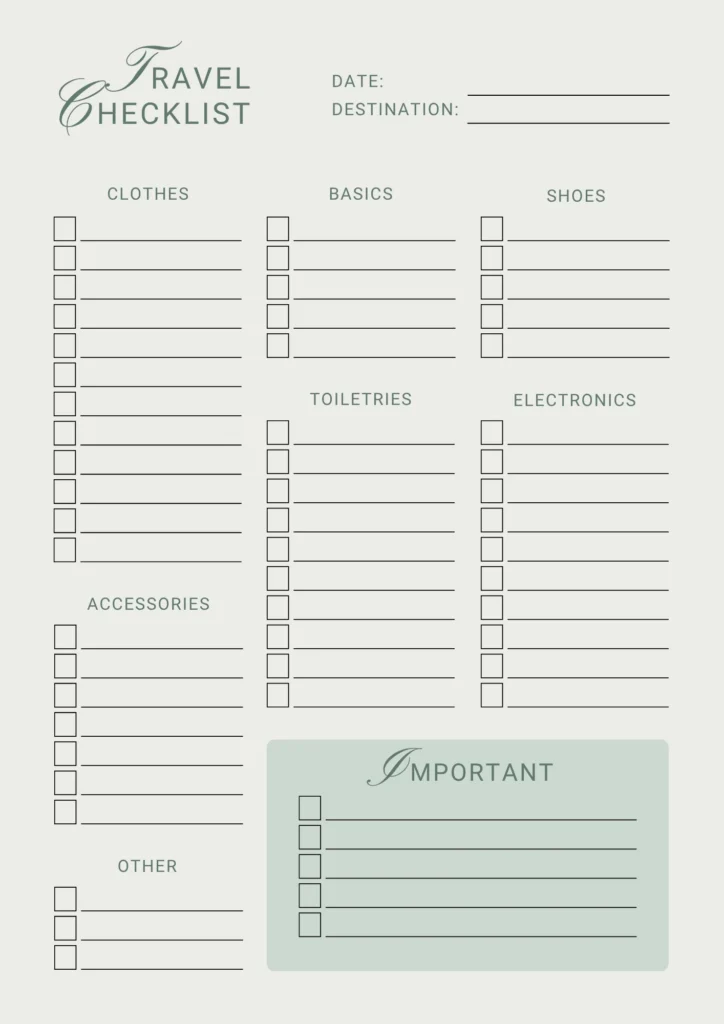
A final Summer Packing List review helps you catch missing items before you get to the airport.
- Clothing: Tops, bottoms, underwear, sleepwear, swimsuit, light jacket
- Footwear: Walking shoes, sandals, specialty shoes such as hiking boots or dress shoes
- Toiletries: Toothbrush, toothpaste, deodorant, sunscreen, minimal skincare, travel-size soap
- Tech: Phone, charger, adapter, power bank, headphones
- Documents: Passport or ID, credit cards, boarding passes, insurance info
- Health: Daily medications, pain relievers, band-aids
Before you close your bag, do one final reality check. Look at your itinerary, the weather, your airline rules, and how often you are actually willing to rewear or wash items. The best Summer Packing List is not the one with the most items. It is the one that fits the trip, keeps your luggage manageable, and helps you travel with less friction.
Pro Tip: Email a copy of your passport and itinerary to yourself. If you lose your bag or your phone, you can still access your most important information from another device.