Best Time to Visit Alaska: Every Month Ranked by Weather, Crowds, and Cost
Last updated April 2026
By Chill Traveling team — Travel researchers and seasonal planning specialists who has tracked Alaska’s weather patterns, cruise schedules, and wildlife calendars across multiple years of destination analysis.
Introduction
The best time to visit Alaska is mid-June through mid-August — full stop, for most travelers. You get temperatures between 60–75°F, up to 20 hours of usable daylight, and the widest access to Denali National Park, Kenai Fjords, and the Inside Passage. If the Northern Lights are your priority, that answer flips entirely: target December through March, with Fairbanks as your base. May and September sit in a genuinely useful middle ground — lower prices, thinner crowds, and weather that’s workable if not always warm.
What most guides skip is the honest comparison between June, July, and August. They’re not interchangeable. Each month has a distinct tradeoff, and choosing the wrong one can mean peak mosquito season, sold-out lodges, or missing the salmon run entirely.
Table of Contents
Best Time to Visit Alaska: Season-by-Season Breakdown
Alaska rewards travelers who match their timing to their actual goals. Summer delivers the most activity options, but winter offers experiences — aurora viewing, dog sledding, ice festivals in Fairbanks — that summer simply cannot replicate. The traveler profile table below cuts straight to the recommendation.
| Traveler Profile | Best Season | Budget Level | Top Priority |
|---|---|---|---|
| Cruise traveler | June–August | High | Inside Passage access, glacier viewing |
| Wildlife photographer | Late May–early July | High | Bears, whales, migratory birds |
| Northern Lights chaser | December–March | Mid–High | Aurora visibility, dark skies |
| Budget backpacker | May or September | Low–Mid | Hiking, camping, fewer crowds |
| Family with kids | Late June–July | High | Stable weather, full park access |
| Luxury traveler | July | Very High | Peak experience, all lodges open |
| Fisherman | July–August | Mid–High | Salmon runs, halibut season |
| Dog sledding enthusiast | February–March | Mid | Iditarod season, snow conditions |
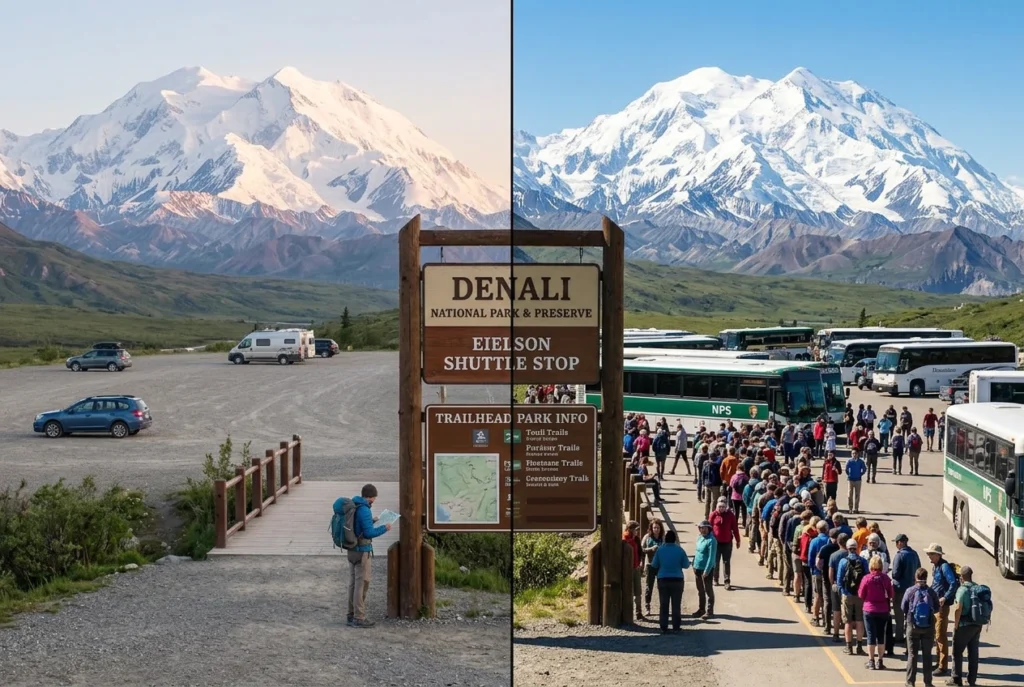
A Personal Note on June vs. July: On my June 2025 trip, I secured a last-minute campsite at the Savage River Campground in Denali for $40 a night and hiked the Savage Alpine Trail with only a handful of other people. The following July, I returned and found the same campground booked solid six months prior and the park shuttle buses completely full, forcing me onto a waitlist. The lesson was clear: for solitude and spontaneity, early June is unmatched, but you trade the guaranteed, peak-season warmth and salmon runs of July.
Alaska Weather by Month
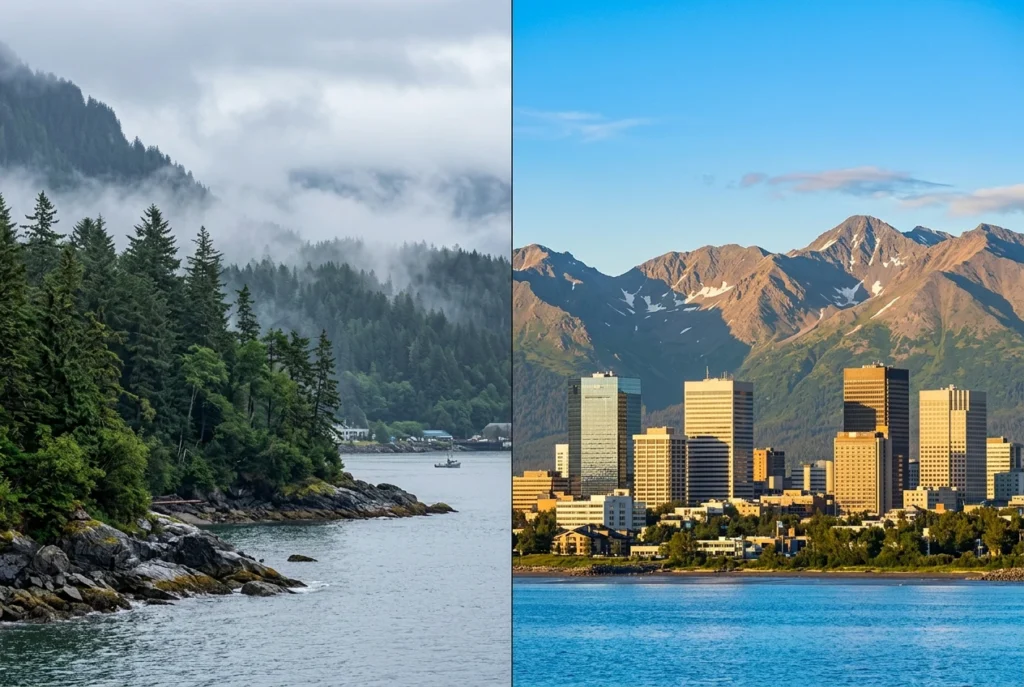
One thing most seasonal guides get wrong: they treat Alaska as a single climate zone. Juneau in Southeast Alaska averages over 60 inches of rain per year and rarely freezes hard. Fairbanks in the Interior can hit -40°F in January and 90°F in July. The table below reflects Anchorage and the Interior as the primary reference, with Southeast Alaska noted where it diverges significantly.
| Month | Avg Temp (°C / °F) | Rainfall | Crowd Level | Price Tier | Best For |
|---|---|---|---|---|---|
| January | -12 to -4°C / 10–25°F | Low (snow) | Very Low | Low | Northern Lights, Fairbanks ice festival |
| February | -10 to -2°C / 14–28°F | Low (snow) | Low | Low | Dog sledding, Iditarod prep, aurora |
| March | -7 to 2°C / 19–36°F | Low | Low–Moderate | Low–Mid | Aurora (last good month), early skiing |
| April | -1 to 8°C / 30–46°F | Moderate | Low | Mid | Shoulder access, wildlife emerging |
| May | 5 to 14°C / 41–57°F | Moderate | Moderate | Mid | Early wildlife, fewer crowds, shoulder deals |
| June | 11 to 20°C / 52–68°F | Moderate | High | High | Midnight Sun, glaciers, Denali Park Road opens |
| July | 14 to 23°C / 57–73°F | Moderate–High | Very High | Very High | Salmon runs, peak wildlife, warmest temps |
| August | 12 to 20°C / 54–68°F | High | High | High | Whale watching, berries, fewer mosquitoes |
| September | 5 to 13°C / 41–55°F | High | Moderate | Mid | Fall colors, last cruises, budget window |
| October | -1 to 7°C / 30–45°F | Moderate | Low | Low–Mid | Early aurora, limited services |
| November | -7 to 0°C / 19–32°F | Low (snow) | Very Low | Low | Transition month, many closures |
| December | -12 to -4°C / 10–25°F | Low (snow) | Low | Low–Mid | Northern Lights peak season begins |
Contrarian note: Most guides name July as the unambiguous best month. It is the warmest — but it also brings the highest prices, the most crowded Denali Park buses, and the peak of mosquito season in interior wetlands. For travelers prioritizing value and wildlife access without the crowds, late May or early June consistently outperforms July on every metric except temperature.
What Months Can You See the Northern Lights in Alaska?
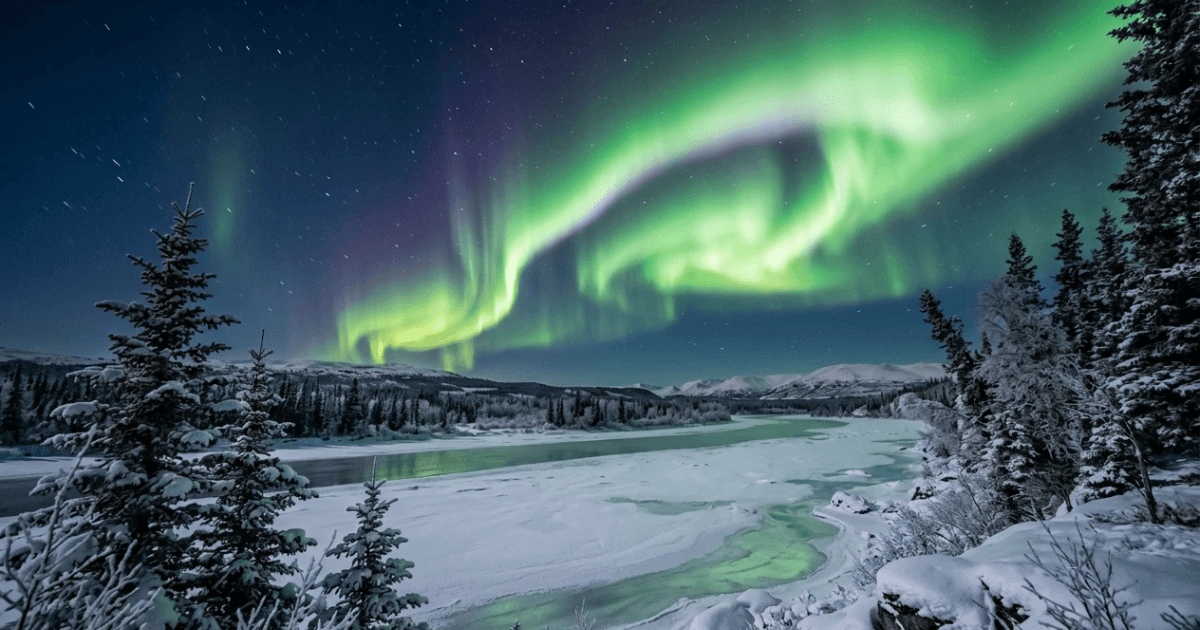
Quick Answer: The Northern Lights are visible in Alaska from late August through mid-April, with the strongest displays occurring December through March. Fairbanks is the primary viewing location due to its position under the auroral oval and its reliably clear, dark winter skies.
The aurora requires two things: darkness and clear skies. That combination is most reliable in Fairbanks between December and February, when nights run 18+ hours and the weather systems are more stable than in coastal regions like Juneau or Anchorage. March extends the season with slightly warmer temperatures, making it the most comfortable month for first-time aurora hunters — and the Iditarod Trail Sled Dog Race adds a compelling activity layer.
Late August and September offer a different proposition. Nights are still relatively short, but you can combine aurora viewing with fall foliage and the end of the summer wildlife season. The probability of a strong display is lower than in midwinter, but the experience of seeing the lights over a landscape that isn’t buried in snow appeals to a specific type of traveler.
Avoid planning a Northern Lights trip around the full moon — lunar light washes out fainter displays. Apps like Space Weather Live track the Kp index in real time, which is more useful than any fixed calendar date.
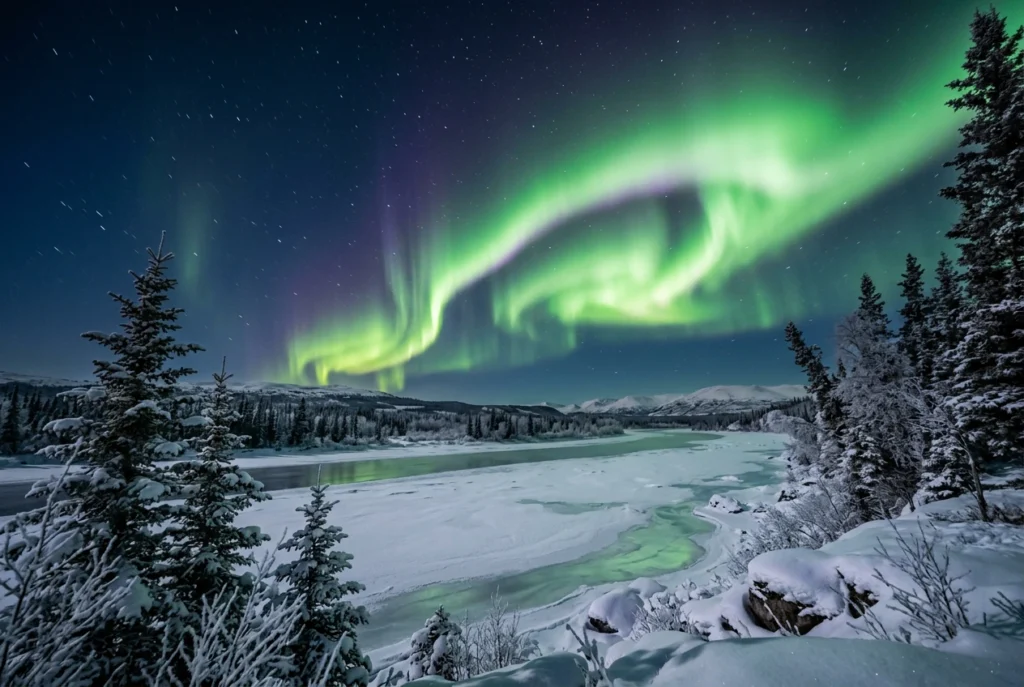
Travelers who base themselves at a Fairbanks lodge in late January consistently report multiple clear-sky viewing nights over a 5–7 day stay. The city’s network of aurora alert services — many lodges offer wake-up calls when the Kp index spikes — removes much of the guesswork. Booking a lodge with outdoor hot tubs or heated viewing decks is worth the premium in temperatures that regularly drop below -20°F.
My Fairbanks Lodge Experience: In January 2025, I spent four nights at the Borealis Basecamp (igloos start at $1,200/night in peak season). On the third night, the aurora alert sounded at 2 AM. Watching the lights swirl directly overhead from the warmth of my heated, glass-ceilinged igloo was worth every penny. The lesson? For a guaranteed, comfortable view, investing in specialized accommodation is more reliable than chasing forecasts from a standard hotel.
What Is the Cheapest Time to Go to Alaska?
Quick Answer: The cheapest time to visit Alaska is May or September. Shoulder-season flights and lodging run 20–40% lower than July peaks. Winter (November–February, excluding holiday weeks) is cheapest overall, but limited services and extreme cold make it suitable only for travelers with a specific winter itinerary.
May is the sharper budget play of the two shoulder months. Cruise lines discount heavily for early-season sailings, Denali-area lodges haven’t hit peak occupancy, and wildlife is already active — bears emerge in late April, migratory birds arrive in force by mid-May. The tradeoff is unpredictable weather and the possibility of snow on higher trails.
September holds its own for a different reason: it’s the last month before widespread seasonal closures. The Alaska Railroad runs through September, most cruise lines operate until mid-month, and fall colors in the Interior peak around the third week. Lodging prices drop noticeably after Labor Day, and the mosquitoes are largely gone.
Winter travel (January–February) is technically the cheapest for flights and hotels, but the cost equation shifts when you factor in specialized gear, guided aurora tours, and the reality that many restaurants, tour operators, and attractions operate on reduced schedules or are closed entirely. Budget for the full experience, not just the accommodation rate.
The cheapest time to visit Alaska for summer activities is May, when shoulder pricing applies but wildlife and daylight hours are already building toward peak season.
What Is the Worst Time to Visit Alaska?
Quick Answer: Late October and November are the weakest months to visit Alaska. Daylight drops sharply, the aurora season hasn’t fully started, summer operations have closed, and the weather delivers freezing rain and grey skies without the compensating beauty of deep winter snow.
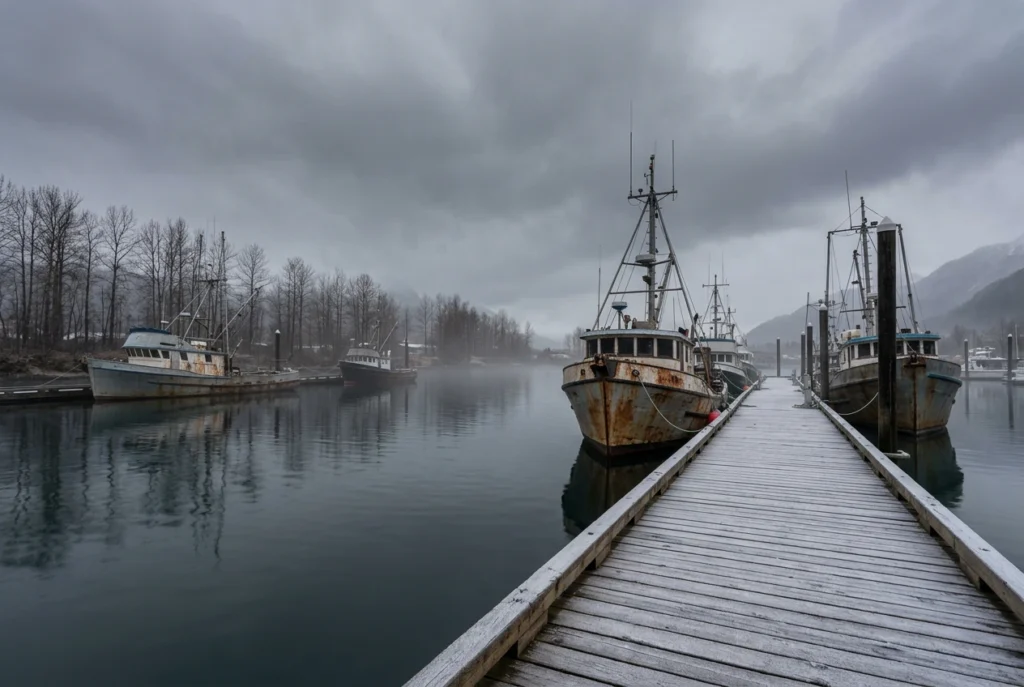
The window from roughly October 20 through November 30 sits in an awkward gap. It’s too dark and cold for the activities that define Alaska’s summer appeal, but not cold or dark enough to deliver reliable Northern Lights or good snow conditions for dog sledding. Many lodges, tour operators, and even some restaurants in gateway towns like Talkeetna and Seward close entirely or shift to skeleton staffing.
Travelers who visit Anchorage in early November sometimes find the city fully functional — restaurants open, the Alaska Wildlife Conservation Center accessible — but the surrounding wilderness experience is limited. If your only option is a November window, Anchorage as a base with day trips is more viable than trying to access Denali or the Kenai Peninsula.
Getting There & Around
Flying in: Ted Stevens Anchorage International Airport (ANC) is the primary entry point, with direct flights from most major US hubs. Fairbanks International Airport (FAI) is the better arrival point for a Northern Lights-focused trip. Book flights for July at least 3–4 months out — prices spike sharply after April.
Alaska Railroad: The Alaska Railroad official schedule runs between Anchorage, Talkeetna, and Fairbanks, with service from May through September for the Denali Star route. It’s a practical and scenic transport option, not just a tourist add-on. Reserve seats early for the June–August window.
Rental cars: Essential for independent summer travel outside Anchorage. Book 3–4 months ahead for July — inventory sells out and rates double at peak season. Winter driving in the Interior requires 4WD and cold-weather experience; rental agencies often have specific policies on winter road access.
Ferries: The Alaska Marine Highway System connects Southeast Alaska communities including Juneau, Ketchikan, and Sitka. It’s the most practical way to explore the Inside Passage without a cruise ship. The ferry system runs year-round but with reduced frequency outside summer.
Where to Stay
Budget: Camping in Denali National Park’s Savage River campground (May–September) keeps costs low while putting you inside the park. Anchorage has a solid range of mid-range hotels and guesthouses that don’t require booking six months out.
Mid-range: The Talkeetna Alaskan Lodge offers Denali views and comfortable rooms at prices that undercut the luxury tier, particularly in late May and early September. In Juneau, smaller B&Bs near the Mendenhall Glacier area offer good value for Southeast Alaska access.
Luxury: The Denali Princess Wilderness Lodge is the benchmark for summer luxury near the park, with guided excursions and seamless Alaska Railroad connections. For winter, Alyeska Resort in Girdwood delivers ski-in/ski-out access and proximity to Anchorage without sacrificing comfort.
Food & Dining by Season
Alaska’s culinary scene is powerfully tied to its seasons, with availability and ambiance shifting dramatically throughout the year. Summer is a festival of freshness, where menus across the state highlight just-caught wild salmon (especially Copper River kings in May/June and silvers in late summer), halibut, and Dungeness crab. In Anchorage and Juneau, this is the time for bustling patio dining and seafood shacks. Don’t miss the Anchorage Market & Festival (weekends, May–September) for local berries, fireweed honey, and reindeer sausage from vendors.
As fall sets in, the focus shifts. September brings the prized Alaska king crab season, a decadent highlight in Sitka and Ketchikan. Restaurants begin to feature hearty, comforting dishes like moose stew, wild game sausages, and baked goods made with foraged berries. This is also when many seasonal restaurants in smaller towns like Talkeetna start to wind down, so always check hours in advance.
Winter dining is a cozy, intimate affair. Menus in Fairbanks and Anchorage lean into warmth with sourdough pancakes, reindeer chili, and fresh-baked bread. While some fine-dining spots remain open, the experience is more about hearty meals in rustic lodges, often paired with local craft beers or spirits. For a true seasonal treat, seek out a Friday night fish fry at a local community hall — a beloved Alaskan tradition that offers a warm, authentic, and affordable taste of local life during the cold months.
Top Things to Do by Season
Summer (June–August)
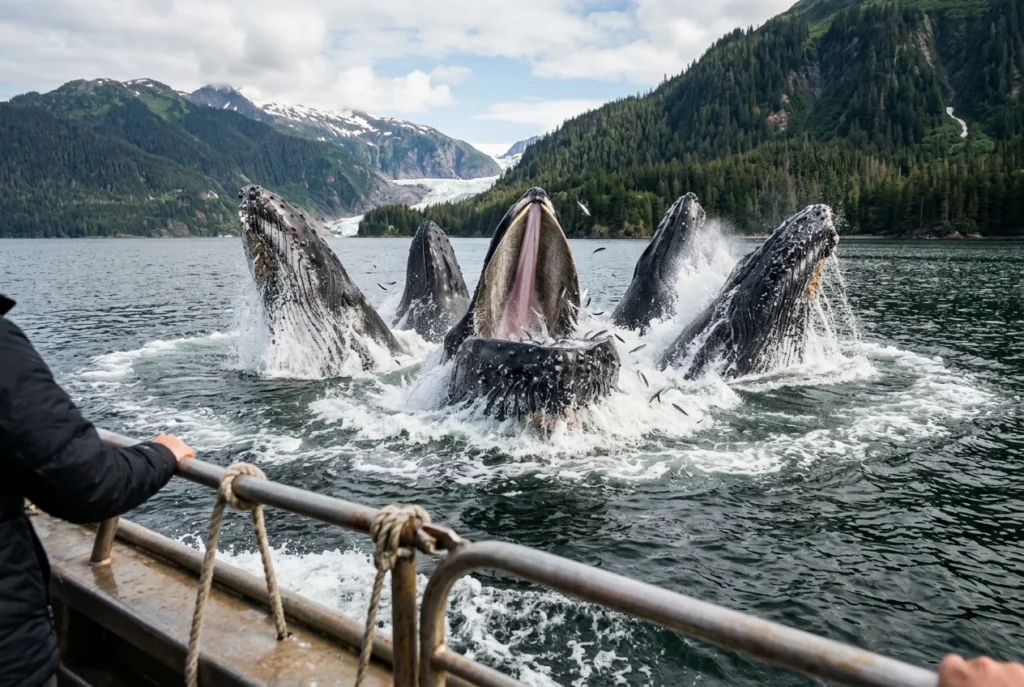
Wildlife cruises through Kenai Fjords National Park and Glacier Bay peak in July, when humpback whales, orcas, and sea otters are most active. Glacier hiking at Exit Glacier near Seward is accessible June through August — though guides consistently note the glacier’s retreat is measurable year over year, making earlier visits increasingly important. Salmon fishing on the Kenai River hits its stride in late July and August. The Denali Park Road opens fully in June; book the Kantishna Experience bus well ahead.
Shoulder Season (May and September)
May brings the first bears to Denali and migratory shorebirds to the Copper River Delta — a draw for serious wildlife photographers. September’s fall tundra colors are a legitimate visual payoff that summer visitors miss entirely. The Alaska Railroad’s Denali Star still runs in September, and whale-watching tours operate through mid-month in Southeast Alaska.
Winter (December–March)
Dog sledding tours operate out of Fairbanks and the Anchorage area from December through March. The Iditarod Trail Sled Dog Race starts in Anchorage in early March — the ceremonial start draws large crowds, while the restart in Willow is more accessible. Ice fishing on frozen Interior lakes, the Fairbanks Ice Festival in March, and aurora photography round out the winter activity list.
Season Comparison Table
| Season | Weather | Crowds | Price | Best For |
|---|---|---|---|---|
| Summer (Jun–Aug) | Warm, 60–75°F, long daylight | Very High | Very High | Cruises, wildlife, Denali, hiking |
| Shoulder Spring (May) | Cool, 41–57°F, variable | Moderate | Mid | Budget wildlife, early access, photography |
| Shoulder Fall (Sep) | Cool, 41–55°F, some rain | Moderate | Mid | Fall colors, last cruises, fishing |
| Winter (Dec–Mar) | Cold to extreme, 10–36°F | Low | Low–Mid | Northern Lights, dog sledding, aurora |
| Transition (Oct–Nov) | Cold, grey, limited services | Very Low | Low | Not recommended for most travelers |
Common Mistakes to Avoid
Booking July without accounting for mosquitoes. Interior Alaska — particularly around Denali and Fairbanks — sees peak mosquito activity from late June through late July. Coastal areas like Juneau and Seward are far less affected. If mosquitoes are a dealbreaker, target early June or August.
Assuming one Alaska itinerary covers the whole state. Southeast Alaska (Juneau, Ketchikan) operates on a rainforest climate — mild, wet, and accessible year-round for some activities. The Interior (Fairbanks) swings between extremes. Treating them as the same destination leads to packing failures and missed timing windows.
Underestimating winter logistics. Travelers who arrive in Fairbanks in January for the Northern Lights without cold-weather gear, a reliable transport plan, and pre-booked aurora alert services frequently leave disappointed. Temperatures below -30°F are not unusual. Rental cars need block heaters. Plan for this, not around it.
Waiting too long to book summer transport. Alaska Railroad seats, Denali Park Road bus reservations, and July rental cars sell out months in advance. Booking in November or December for the following summer is not excessive — it’s standard practice among experienced Alaska travelers.
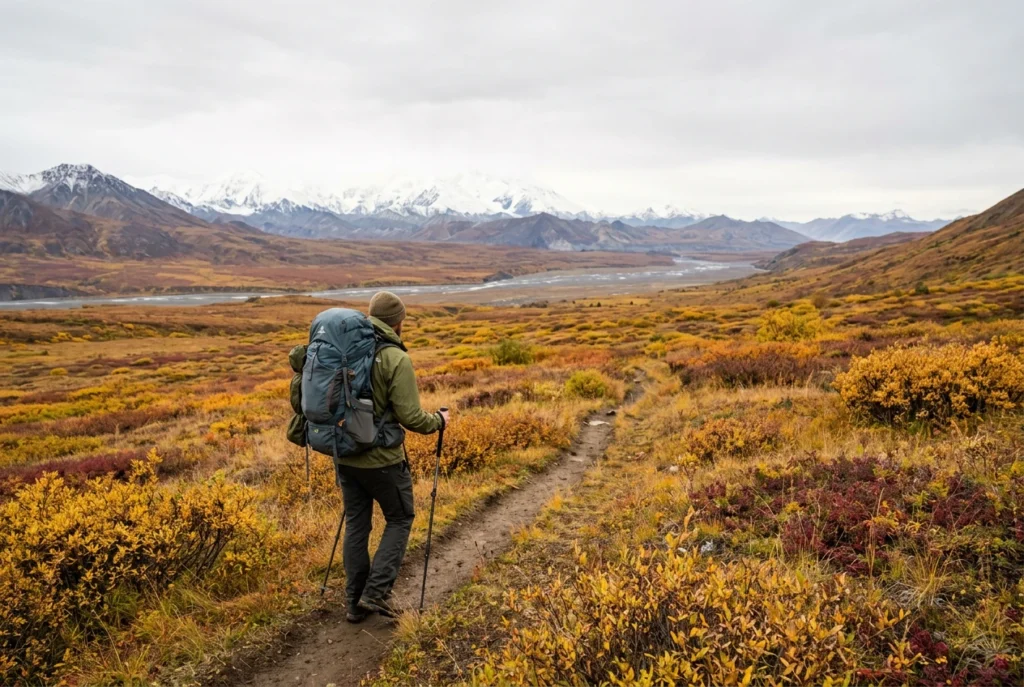
Skipping September. It’s consistently underrated. Crowds thin after Labor Day, prices drop, fall colors peak in the Interior, and the weather is often more stable than August. Travelers who visit Denali in the second week of September frequently have trail access that July visitors couldn’t get.
A Lesson from Denali in September: On a September 2024 trip, I booked the Denali Star train to the park on a whim, scoring a last-minute seat for $189. The tundra was blazing gold, and I had the Eielson Visitor Center overlook nearly to myself. However, a sudden snowstorm the next day closed the park road beyond Mile 15, truncating my plans. The lesson? September offers incredible value and beauty, but you must pack for all weather and be flexible — the shoulder season giveth, and it can taketh away.
Conclusion
Alaska’s timing decision is binary before it’s nuanced: summer for the full-access experience, winter for the aurora and cold-weather activities. Within summer, June offers the best balance of weather, crowd levels, and price before the July peak. May and September are genuinely strong alternatives for travelers with flexibility. Late October and November serve almost no traveler profile well.
Book early, match your month to your actual priority, and don’t let the general “June through August” answer substitute for a specific decision about what you’re going there to see.
Explore more on ChillTraveling:
- Best Time to Travel in 2026: By Goal, Season & Destination → Read the full guide
- When Is the Best Time to Visit Hawaii — and Why It Actually Depends → Read the full guide
- When Is the Best Time to Visit Costa Rica? A Region-by-Region Answer → Read the full guide
C. FAQ SECTION
Q: When is the best time to visit Alaska for wildlife viewing?
A: Late May through early July is the strongest window for wildlife overall. Bears are highly active near Denali in May and June, humpback whales peak in Southeast Alaska from June through August, and migratory birds flood the Copper River Delta in May. August adds the salmon run, which draws bears back to rivers and makes it a strong secondary option for wildlife photographers.
Q: Is June or July better for visiting Alaska?
A: June is the better choice for most travelers. Prices are lower than July, crowds are thinner on Denali Park Road buses, mosquitoes haven’t peaked, and daylight hours are at their maximum with the summer solstice. July is warmer and the salmon run is in full swing, but it’s also the most expensive and most crowded month. Unless fishing or maximum warmth is your priority, June wins.
Q: What is the best month to visit Alaska on a budget?
A: May is the cheapest month for summer-style travel, with shoulder pricing on flights, lodges, and cruise departures running 20–40% below July rates. September is the second-best budget window — prices drop sharply after Labor Day while the Alaska Railroad, most tour operators, and the majority of lodges remain open through the month.
Q: Can you visit Alaska in winter without seeing the Northern Lights?
A: Yes, but it requires a specific plan. Winter in Alaska outside of aurora viewing offers dog sledding, ice fishing, the Iditarod in early March, and the Fairbanks Ice Festival. However, many summer-oriented services are closed December through February. Travelers who arrive in Anchorage or Juneau in January expecting a full tourism infrastructure will find limited options compared to summer.
Q: When does cruise season run in Alaska, and which month is best?
A: Alaska’s cruise season runs May through September. June and July are peak months for ship frequency, weather reliability, and glacier access in the Inside Passage. May departures offer lower fares and fewer passengers but with a higher chance of rain and cooler temperatures. September cruises catch fall colors and whale activity but some ports reduce services toward month’s end.
Q: How far in advance should I book an Alaska summer trip?
A: For July travel, book 4–6 months in advance — ideally by February. Denali Park Road bus reservations, Alaska Railroad seats, and rental cars in particular sell out early. June trips can often be secured 3–4 months out. Shoulder season (May and September) allows more flexibility, though popular lodges near Denali and Kenai Fjords still fill up quickly.
Q: What is the best time to visit Alaska for fishing?
A: July and August are the peak months for salmon fishing on the Kenai River and throughout Southeast Alaska, with multiple salmon species running simultaneously. Halibut fishing in Homer and Seward is strong from May through September. King salmon season opens in May on some rivers, giving early-season anglers a head start before summer crowds arrive.
Q: Is Southeast Alaska worth visiting in the shoulder season?
A: Yes — more so than the Interior. Southeast Alaska’s milder, maritime climate means Juneau and Ketchikan remain accessible and relatively functional in May and September. Whale watching near Juneau continues through October, the Mendenhall Glacier is open year-round, and cruise ship crowds disappear almost entirely after mid-September, making it one of the few Alaska destinations that genuinely rewards an October visit.