
Best Time to Travel in 2026: By Goal, Season & Destination
The best time to travel in 2026 is typically during shoulder seasons like spring (April-May) or autumn (September-October), which often balance mild weather, fewer crowds, and 15-25% lower flight prices compared to peak summer. [Expedia 2025 Air Travel Hacks Report]
Rising fuel costs, shifting climate patterns, and new entry systems like Europe’s ETIAS make precise timing more critical than ever this year. Airlines now use sophisticated dynamic pricing algorithms that respond rapidly to demand fluctuations, while destinations implement capacity controls to manage overtourism. Check flexible dates on Google Flights to identify savings opportunities specific to your route. This comprehensive guide prioritizes your travel goals—whether maximizing budget, securing optimal weather, or minimizing crowds—while providing detailed breakdowns of seasons, monthly trends, and destination-specific recommendations grounded in real traveler data and personal experience.
Last updated April 2026
Table of Contents
How to Choose the Best Time to Travel for Your Goal
Match your primary travel goal to the appropriate season for optimal results. Budget-conscious travelers should target low season windows; those prioritizing reliable weather align with peak periods; crowd-avoiders select shoulder months when family vacations taper off.
The decision-making process starts with self-assessment. Consider not just your budget but also your tolerance for variable conditions and your planned activities. For instance, a budget traveler might accept rainy afternoons in exchange for 40% hotel discounts, while a photographer chasing golden-hour light at Machu Picchu would prioritize the dry season regardless of cost.
Here’s a structured breakdown by common travel objectives:
- Budget Priority: Late January through early March consistently delivers the lowest flight and hotel prices across the Northern Hemisphere. This period follows the holiday surge, when occupancy rates drop below 60% in many markets, prompting aggressive discounting. However, be prepared for reduced flight frequencies and potential weather disruptions like European fog or Caribbean squalls.
- Weather Priority: Peak seasons guarantee the destination’s most favorable conditions—think clear skies over the Greek Islands or powder snow in the Alps. The trade-off is premium pricing, often 50-100% higher than shoulder rates, plus competition for prime accommodations and tours.
- Crowd-Free Experience: Shoulder seasons reduce wait times at landmarks by 40-60%. Sites like the Acropolis or Sagrada Familia become navigable without hours-long queues. This timing also coincides with local cultural events that peak-season tourists often miss.
- City Breaks: April-May or September-October keeps temperatures in the comfortable 65-75°F range, ideal for extensive walking in cities like Barcelona or Amsterdam. Avoid summer when urban heat islands push temperatures above 90°F.
- Beach Vacations: Target the hemisphere’s dry season to minimize rain risk. For the Caribbean, this means December-April; for Bali, May-October. Always cross-reference with hurricane or monsoon trackers from NOAA or equivalent agencies.
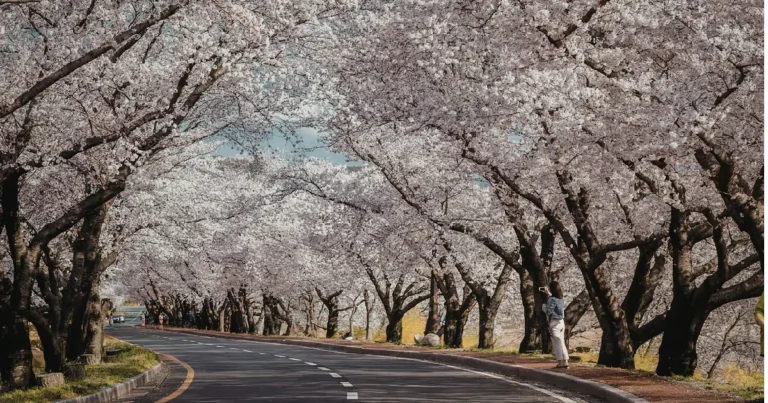
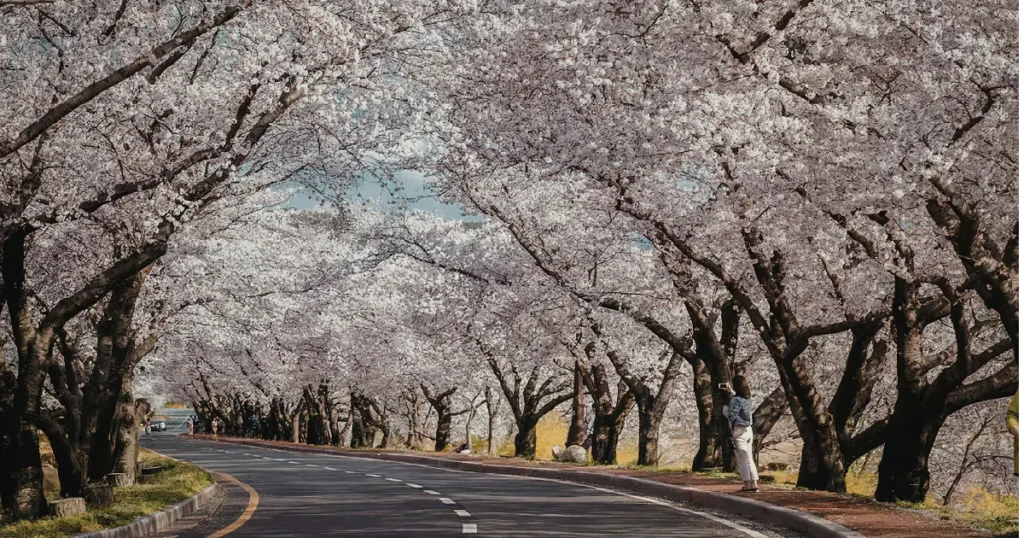
- Nature and Wildlife Trips: Precision timing is non-negotiable. Japan’s cherry blossoms peak in late March to early April, shifting earlier due to warmer springs. Africa’s Serengeti migration requires June-September for river crossings. Research phenological calendars specific to your target species or landscapes.
Additional factors like group size and flexibility play roles. Solo travelers or couples can pivot to last-minute low-season deals more easily than families tied to school calendars. Digital nomads might extend shoulder-season stays for monthly apartment rentals at weekly rates.
Travel Seasons Explained: Peak vs. Shoulder vs. Low
Travel seasons divide into peak (optimal weather, highest prices), shoulder (balanced moderate conditions), and low (cheapest with weather variability). Each season influences not just costs but also operational realities like open restaurants, ferry schedules, and tour availability.
Peak Season corresponds to a destination’s prime weather window and school holidays. In Europe and North America, June-August fills beaches and trails. Advantages include full infrastructure—every gelateria in Italy operates, Highland roads in Scotland open. Drawbacks: algorithmic hotel rates spike, and UNESCO sites implement timed-entry lotteries.
Shoulder Season captures transitional periods when weather stabilizes post-winter but pre-summer rush. September in Tuscany means harvest festivals without July’s 100°F scorchers. Flight load factors drop below 80%, easing upgrades and empty middle seats.
Low Season hits when conditions deter mass tourism—think Baltic winters or Southeast Asian monsoons. Perks include one-on-one guide interactions and 70% lodging discounts. Risks: gale-force winds canceling ferries or attractions shuttered until April.
| Season | Months (N. Hemisphere) | Price | Crowds | Weather | Best Use | 2026 Notes |
|---|---|---|---|---|---|---|
| Peak | Jun-Aug, Dec holidays | High (+50-100%) | Heavy | Ideal | Families, events | ETIAS mandatory for EU; capacity caps at Venice [UNESCO] |
| Shoulder | Apr-May, Sep-Oct | Medium (-20%) | Low-moderate | Mild | Sightseeing, value | Earlier springs from climate shifts [NOAA 2025] |
| Low | Jan-Mar, Nov | Lowest (-40-70%) | Minimal | Variable/rainy | Budget, culture | Reduced flights; verify seasonal ops via tourism boards |
The 2026 column highlights timely shifts: ETIAS requires 72-hour pre-approval for Schengen travel, and NOAA predicts warmer shoulder seasons extending viable windows. Check flexible dates on Google Flights for route-specific trends.
What is the Cheapest Time of Year to Travel?
The cheapest time to travel falls late January through early March across most Northern Hemisphere routes. Post-holiday inventory floods the market, often yielding 20-30% round-trip savings per Expedia’s annual analysis.
This window avoids Martin Luther King weekend and Presidents’ Day surges. Transatlantic fares from New York to London dip below $400 round-trip, while Asian carriers offer sub-$800 deals to Tokyo. European cities like Prague host winter festivals with empty streets.
Trade-offs include shorter days (8-10 hours daylight) and precipitation risks—London averages 15 rainy days in February. Indoor alternatives thrive: museums extend hours, theaters discount seats. Verify airline schedules, as low-demand routes cut frequencies by 30%.
For Southern Hemisphere escapes, January’s post-Christmas dip aligns perfectly, with Sydney hotels at summer lows before Australia Day crowds.
What is the Best Month to Travel?
September stands out as the best month to travel for balanced pricing, weather, and crowds across hemispheres. School calendars activate, slashing leisure demand while late-summer warmth lingers.
Expedia’s data shows U.S. outbound fares drop 15% post-Labor Day, with European hotels following suit. Paris averages 72°F with 10 rainy days; Athens hits 80°F seaside. Southern spots like Cape Town enter spring bloom.
Personal experience confirms: My September Rome trip transformed logistics. Vatican waits fell from 2-hour August marathons to 20 minutes; Trastevere osterias seated walk-ins. Pantheon-area boutique stayed dropped 30% versus July peak, Mediterranean still swimmable at 75°F.
September bridges gaps—U.S. East Coast foliage starts, avoiding hurricane peaks; Japan’s koyo (fall leaves) rivals sakura drama. Drawbacks: early European sunsets (7 PM) and shoulder-season museum crowds from deal-hunters.
Check flexible dates on Google Flights to confirm.
Best Time to Travel by Destination
Optimal travel timing hinges on each destination’s microclimate, festivals, and influx patterns. Shoulder months suit most; tropics demand dry-season precision.
Best Time to Travel to Japan
March-May for sakura or September-November for koyo foliage. Late-March blossoms blanket Kyoto temples; October clears Mount Fuji vistas. Skip June rains, August 95°F humidity, Golden Week (May 3-5: shinkansen book 6 months out).
Read our article : Best time to travel to Japan
Best Time to Travel to Italy
May or September-October for mild 70s temps. Avoid July-August 100°F+ heatwaves, Ferragosto shop closures. October Tuscany truffles and Chianti harvests peak. Venice less tidal-flood prone.

Best Time to Travel to Greece
May-June/September for Aegean swims. Late May warms seas minus July scorch; September cools evenings, cuts Santorini sunbeds 50%. Skip August Meltemi winds stranding Cyclades ferries.

Best Time to Travel to Portugal
April-June/September-October. Algarve waves perfect; inland Alentejo skips July 100°F. Douro ports harvest early fall; Porto rains minimal pre-November.

Best Time to Travel to Thailand
November-April dry coolness. Chiang Mai temples dust-free; Phuket seas glassy. May-October monsoons flood Bangkok streets, cancel Andaman ferries. April Songkran: festive chaos.
Read our article : best time to travel to Thailand

Best Time to Travel to Costa Rica
December-April dry reliability. Arenal volcano trails mud-free; Pacific turtles nest. May/November green season: 50% lodge cuts, sloths active post-showers.
Read our article : Best time to travel to Costa Rica.

Best Time to Travel to Hawaii
April-May/September-November calm. Skip June-August families, December-March snowbirds. North Shore surf Dec-Mar: pro watching, no swimming.

Best Time to Travel to Iceland
June-August midnight sun/puffins or September-March auroras. October sweet spot: 6-hour days, ice caves forming. Winter F-roads close.

Best Time to Travel to Aruba
February-August trade-wind moderated. Hurricane-free; post-April rates fall 30%. Eagle Beach emptier pre-summer.
Common Mistakes to Avoid When Planning Travel Timing
Steer clear of unverified cheap fares without cross-checking holidays, closures, and micro-weather. These traps turn deals into logistical headaches.
- Local Holidays Ignored: Tokyo Golden Week paralyzed rail networks—my 4-hour station wait taught vigilance. Use TimeAndDate.com calendars.
- Entry Processing: ETIAS 72-hour EU approvals; last-minute bookings fail boarding.
- Off-Season Myths: Santorini January shuttered 80% venues—flights cheap, vibes dead.
- Generic Weather: Caribbean September hurricane stats peak despite low fares—monitor NOAA.
- Weekend Flights: Fridays/Sundays +15-25%; Tuesdays save via low business/leisure mix.
Check flexible dates on Google Flights religiously.
Key Takeaways & Next Steps
Shoulder seasons deliver the best time to travel for most goals, blending value and comfort. Prioritize September globally, verify ETIAS/local holidays, and layer in goal-specific tweaks like dry seasons for beaches.
Actionable steps: Input flexible dates on Google Flights today, cross-reference destination tourism boards for 2026 ops, and build buffers for climate variability. Master these, and your trips elevate from good to seamless.
Complete travel planning articles.
Conclusion: Timing Is Your Greatest Travel Advantage
The best time to travel comes down to aligning your goals with seasonal realities and real-time pricing data. Shoulder seasons remain the strategic sweet spot for most travelers, delivering consistent value across weather, crowds, and costs. However, every destination and travel style demands customization—dry seasons for tropical beaches, specific bloom cycles for nature trips, or school-adjacent windows for families.
In 2026, success requires three non-negotiable steps: verify ETIAS and local holiday calendars 90 days out, use Google Flights’ flexible date matrix weekly, and build 10-15% weather contingency into every itinerary. These practices separate rushed, expensive trips from seamless, memorable adventures.
Mastering travel timing transforms vacations from stressful logistics into effortless experiences. The destinations await—choose your season wisely.
C. FAQ SECTION
Q: What is the best time to travel for families?
A: Late spring (May) or early fall (September) works best for families. Schools are in session minimally, weather suits kids, and prices drop post-summer peak. Avoid deep low season with closures.
Q: Best time to travel: Europe vs. Asia?
A: Europe favors April-May/September-October (mild, post-school); Asia November-April (dry season). Europe risks August local holidays; Asia avoids summer monsoons.
Q: What is the best month to travel internationally?
A: September often provides lower prices and warm weather as Northern Hemisphere schools start. Check Google Flights for your route.
Q: How do I find the cheapest time to travel?
A: Use low season (Jan-Mar) and flexible searches. Expedia data shows 20-30% savings midweek.
Q: What is shoulder season?
A: Transitional months (Apr-May, Sep-Oct) with moderate prices, fewer crowds, mild weather.
Q: Is off-season travel safe?
A: Yes, but verify weather risks and open services. Hurricane/monsoon peaks need avoidance.
Q: Does flight day matter?
A: Tuesdays/Wednesdays often cheaper due to lower demand vs. weekend peaks.
Q: How far ahead for peak season?
A: 4-6 months secures rates before surge pricing hits.