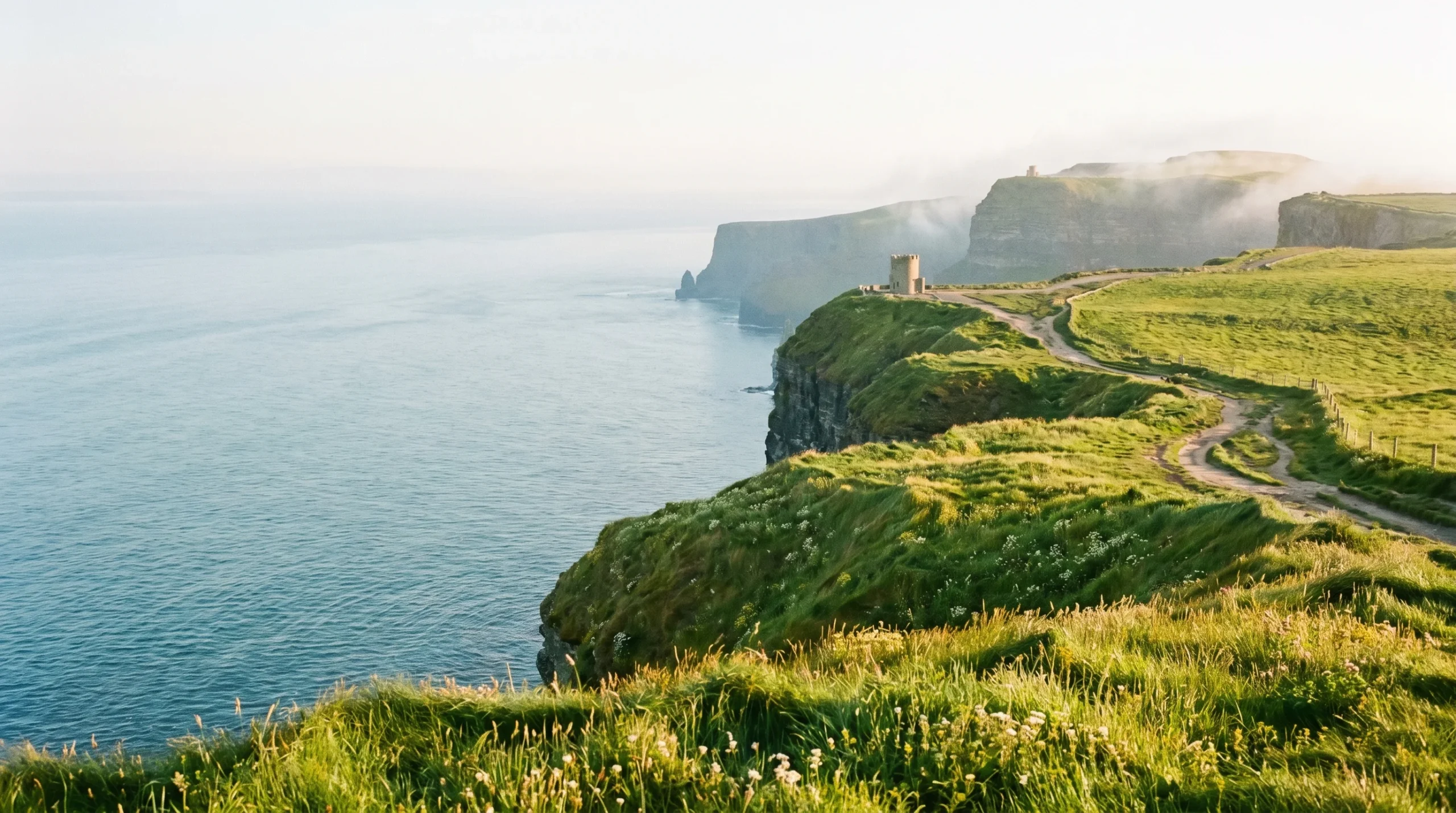
Best Time to Visit Ireland: Every Month Ranked for Weather, Crowds, and Cost
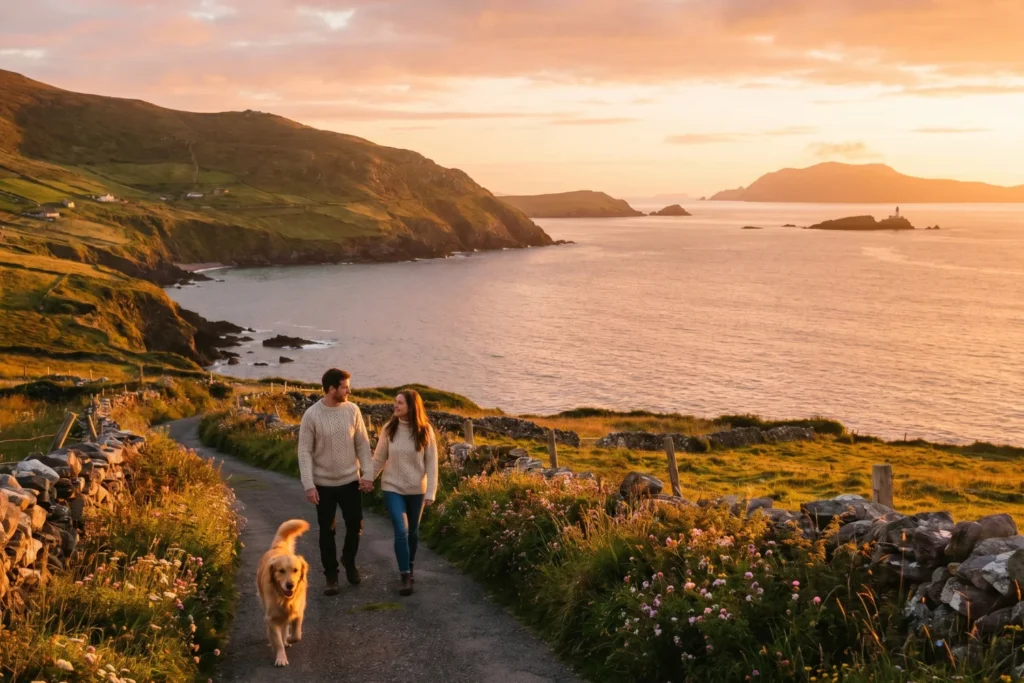
May and September are the two months that consistently outperform every other option for visiting Ireland. Both sit in that reliable window where temperatures stay between 14–17°C (57–63°F), accommodation costs haven’t hit peak summer rates, and the major scenic routes — the Ring of Kerry, the Wild Atlantic Way, the Dingle Peninsula — are driveable without the August convoy of rental cars in front of you.
Summer (June–August) delivers the longest days and the biggest festivals, but you’ll pay 30–50% more for the same B&B and share every viewpoint with a tour bus. Winter is genuinely underrated for Dublin city breaks, but the west coast contracts sharply — shorter hours, some closures, and rain that arrives sideways. This guide gives you the honest tradeoffs, month by month.
Table of Contents
Best Time to Visit Ireland: Season-by-Season Breakdown
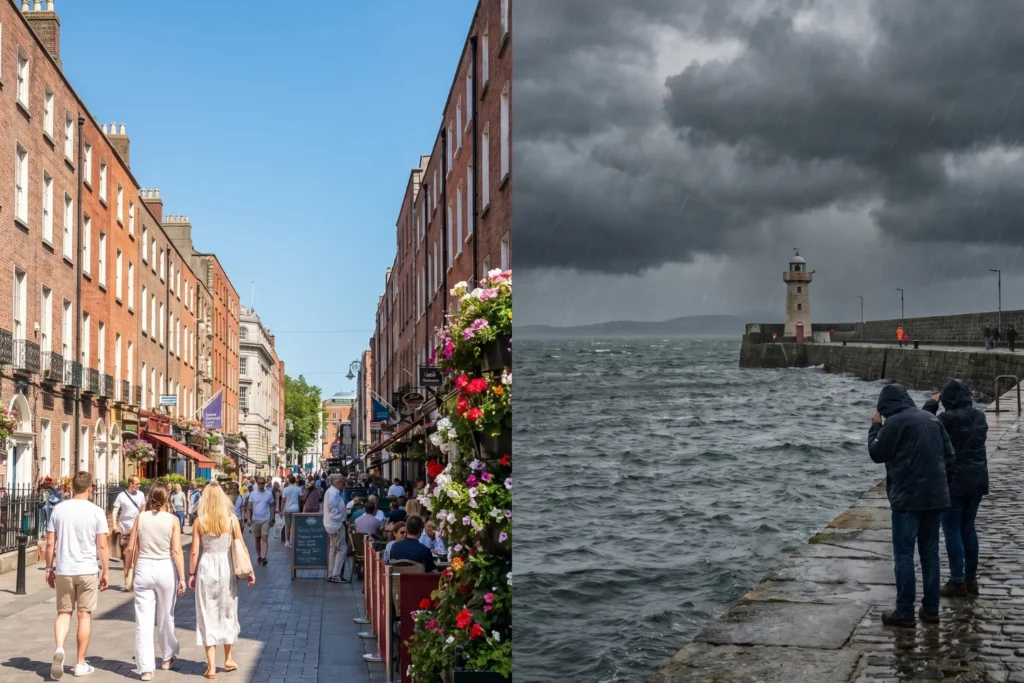
Ireland’s four seasons don’t behave the way calendar logic suggests. March can feel like late winter. June rarely feels tropical. The distinction that matters most for planning isn’t temperature — it’s the gap between Dublin’s relatively sheltered east coast and the wild, rain-heavy west coast where most of the iconic scenery lives.
| Traveler Profile | Best Season | Budget Level | Priority |
|---|---|---|---|
| Solo backpacker | Late autumn (Oct–Nov) | Budget | Low prices, authentic pub culture |
| Couple on a road trip | Late spring (May) | Mid-range | Scenery, daylight, manageable crowds |
| Family with children | Early summer (June–July) | Mid-range to luxury | School holidays, festivals, long days |
| Luxury traveler | September | Luxury | Harvest season, fewer crowds, top hotel availability |
| Golf traveler | May or September | Mid-range to luxury | Dry spells, course availability, green conditions |
| Hiker / outdoor focus | May or early June | Budget to mid-range | Long daylight, trail conditions, wildflower season |
| Budget traveler | January–February | Budget | Lowest airfare and accommodation rates |
| Festival seeker | Mid-July to mid-August | Mid-range to luxury | Galway Arts Festival, Kilkenny Arts Festival |
Ireland Weather by Month
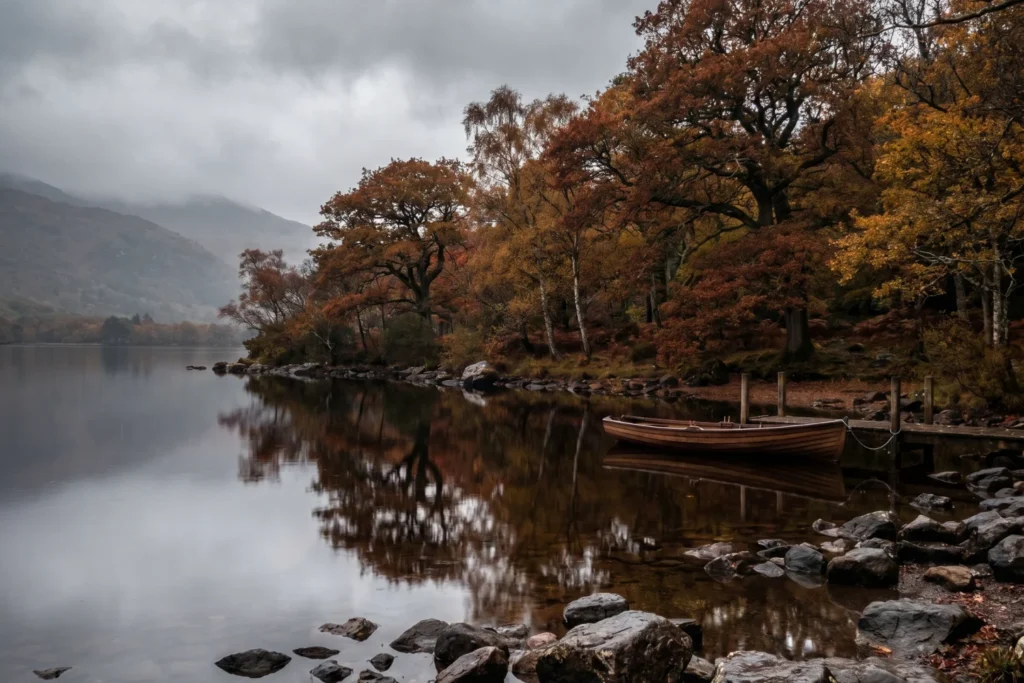
The numbers below reflect typical conditions. Ireland’s west coast — Galway, Clare, Kerry — runs consistently wetter and windier than Dublin and the east. Pack a waterproof layer regardless of which month you travel.
| Month | Avg Temp °C / °F | Rainfall Likelihood | Crowd Level | Price Tier | Best For |
|---|---|---|---|---|---|
| January | 5–8°C / 41–46°F | High | Very low | Budget | City breaks, cozy pubs, low rates |
| February | 5–9°C / 41–48°F | High | Very low | Budget | Cheapest flights, quiet museums |
| March | 7–11°C / 44–52°F | Moderate–High | Low–Moderate | Low–Mid | St. Patrick’s Day, early spring walks |
| April | 9–13°C / 48–55°F | Moderate | Moderate | Mid | Wildflowers, Easter travel, fewer crowds |
| May | 12–17°C / 53–63°F | Moderate | Moderate | Mid | Ring of Kerry, Wild Atlantic Way drives |
| June | 14–19°C / 57–66°F | Moderate | High | High | Long daylight, coastal walks, golf |
| July | 15–20°C / 59–68°F | Moderate | Peak | Peak | Galway Arts Festival, family travel |
| August | 15–20°C / 59–68°F | Moderate | Peak | Peak | Festivals, outdoor events, long evenings |
| September | 13–17°C / 55–63°F | Moderate | Moderate | Mid | Scenic drives, harvest festivals, hiking |
| October | 9–14°C / 48–57°F | Moderate–High | Low | Low–Mid | Autumn color, Blarney Castle without queues |
| November | 7–11°C / 44–52°F | High | Very low | Budget | Whiskey distillery tours, quiet rural pubs |
| December | 5–9°C / 41–48°F | High | Low–Moderate | Low–Mid | Christmas markets, Dublin city atmosphere |
What Is the Cheapest Month to Visit Ireland?
Quick Answer: January and February are the cheapest months to visit Ireland. Airfare and accommodation drop to their annual lows, and major attractions like the Guinness Storehouse and Blarney Castle are accessible with minimal queuing. Expect temperatures of 5–9°C (41–48°F) and frequent rain, but the savings are real — often 40–60% below summer rates.
January and February represent Ireland at its most affordable, full stop. Budget travelers willing to layer up and accept shorter daylight hours (around 8–9 hours in January) will find B&Bs that charge €60–80 per night in summer available for €35–50. Hostel beds in Dublin’s Temple Bar area drop proportionally.
I remember paying €45 for a B&B in Dingle in late January 2024, a room that would have cost €120 in July. The owner even threw in a free peat fire. That kind of value simply doesn’t exist from June through August, when the same property fills up months in advance at triple the rate.
The tradeoff is practical. Some rural attractions on the Wild Atlantic Way reduce hours or close entirely from November through February. If your itinerary depends on Skellig Michael boat trips or specific coastal tours, January simply doesn’t work — those run May through September only. But if your focus is Dublin, Galway city, or a whiskey trail through Midleton and Kilbeggan, winter is genuinely underrated.
March starts to creep up in price around St. Patrick’s Day (March 17), when Dublin hotel rates spike sharply for the week surrounding the parade. Book well outside that window if March fits your schedule.
What Is the Rainy Season in Ireland?
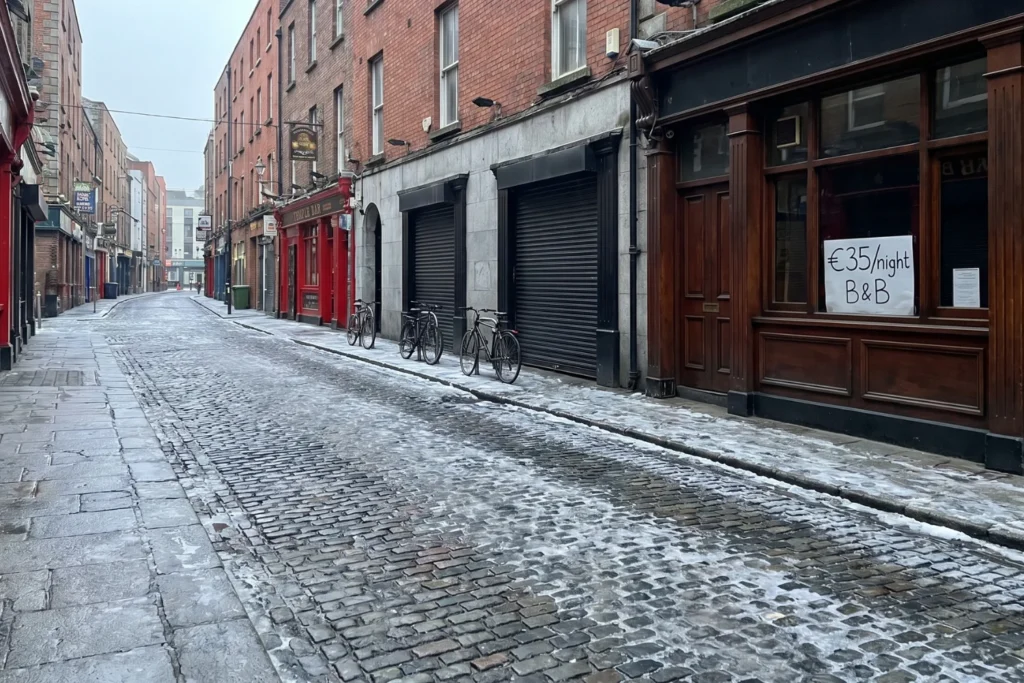
Quick Answer: Ireland doesn’t have a single rainy season — rain is distributed year-round. However, October through January brings the highest rainfall totals, particularly on the west coast. The driest months are typically April through June. The west coast (Galway, Clare, Kerry) receives significantly more rain than Dublin regardless of season.
This is where most planning guides mislead travelers. Ireland’s rain isn’t seasonal in the way Southeast Asia’s monsoon is. It’s persistent, unpredictable, and heavily geography-dependent. The west coast — where the Cliffs of Moher, Ring of Kerry, and Wild Atlantic Way all sit — receives roughly twice the annual rainfall of Dublin. A clear morning in Galway can become a horizontal downpour by noon.
The practical implication: “summer” doesn’t mean dry. July and August see moderate rainfall across the country, and the west coast stays wet. What summer does deliver is longer windows between showers and more daylight to recover lost time. Travelers doing a Ring of Kerry drive in May or September will encounter rain — the question is whether they get two-hour or six-hour breaks between it.
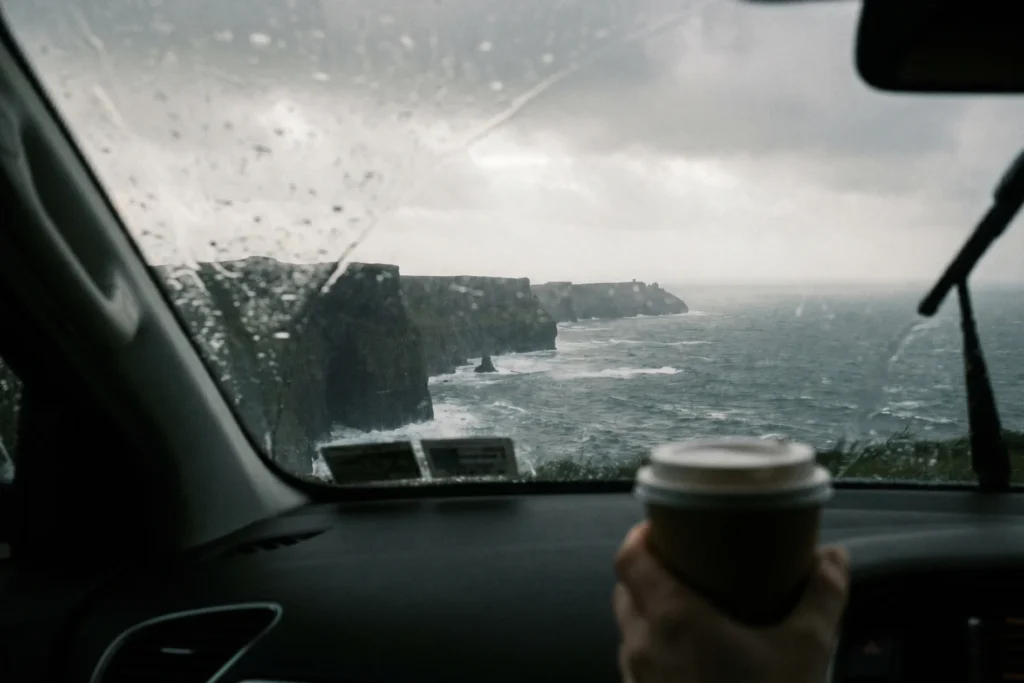
I drove the Wild Atlantic Way in early November 2023, leaving Galway on a morning that started clear enough to see the Aran Islands from the coast road. By the time I reached the Cliffs of Moher, the rain had arrived sideways — the kind that renders an umbrella completely useless. I pulled over, waited 40 minutes in the car with a flask of tea, and the sky cleared almost completely. I had the cliff path to myself for an hour. The lesson isn’t that rain doesn’t happen — it’s that it moves fast, and the windows it leaves behind feel earned.
Packing a quality waterproof jacket isn’t optional advice. It’s the single most consequential gear decision for any Ireland trip, in any month.
Is Ireland Better in Spring or Fall?
Quick Answer: For most travelers, May beats September by a narrow margin — longer daylight hours (up to 16 hours in late May vs. 12 in September), similar crowd levels, and comparable prices. But September wins for foliage, harvest festivals, and the sense that summer crowds have cleared. Your choice depends on whether you prioritize light or atmosphere.
Spring and fall sit within the same price tier and crowd bracket, which is why this question comes up constantly. The real differences are practical.
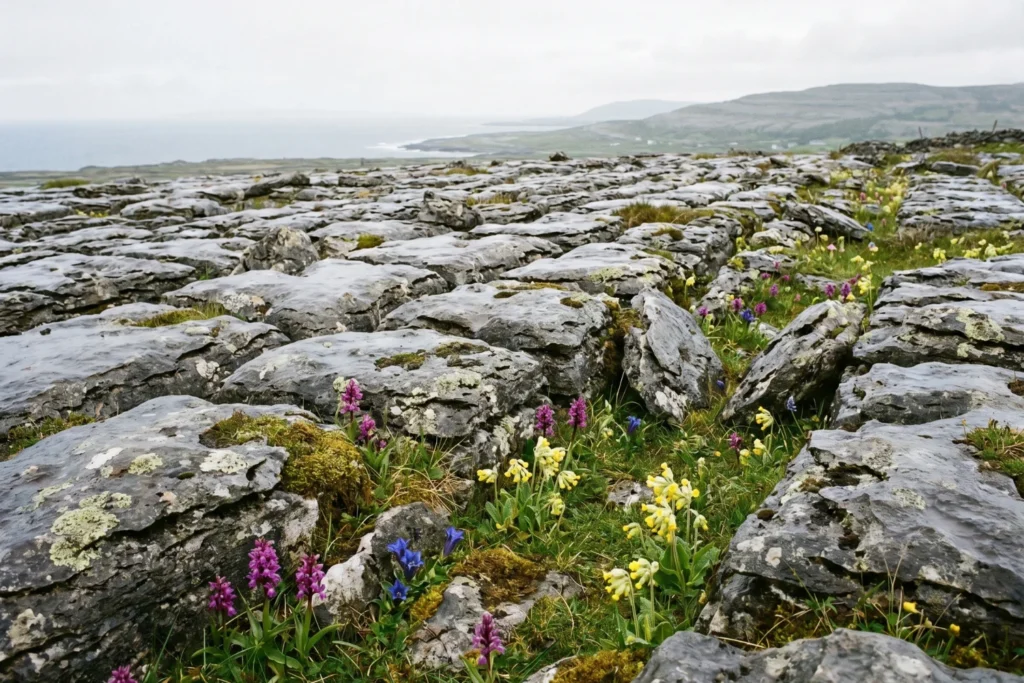
Spring (March–May): Daylight builds from 12 hours in March to nearly 16 in late May. The landscape is vivid green after winter rain. Wildflowers appear on the Burren in April and May. St. Patrick’s Day in March brings cultural energy but also price spikes in Dublin. Easter weekend is a domestic travel peak — book accommodation early if your dates overlap.
Fall (September–November): September delivers the warmest sea temperatures (useful if you’re considering coastal swimming or kayaking near the Dingle Peninsula). Autumn color peaks in October across Killarney National Park. The harvest festival circuit — Galway Oyster Festival in late September, Kinsale Gourmet Festival in October — gives fall a distinct character that spring can’t match.
Travelers visiting in late October consistently find Blarney Castle and the Rock of Cashel nearly empty compared to summer, with full access and no queuing. That’s a meaningful quality-of-experience difference.
I’ve done the Ring of Kerry in both May and September. In May, the hedgerows were electric green, the light lasted until nearly 10 p.m., and I stopped freely at every pull-off without another car in sight. In September, the light was warmer and lower, the landscape had dried slightly from summer, and the sea at Derrynane Beach was warm enough to swim — something that genuinely surprised me. May felt like discovery. September felt like the island exhaling. Both are worth it; they’re just different experiences of the same road.
When Is the Best Time to Visit Ireland for Festivals?
Quick Answer: July and August are peak festival months in Ireland. The Galway Arts Festival runs mid-July, the Kilkenny Arts Festival runs in August, and numerous local music and food festivals fill the calendar. For St. Patrick’s Day, visit Dublin in mid-March. For food-focused festivals, late September (Galway Oyster Festival) and October (Kinsale) are the strongest options.
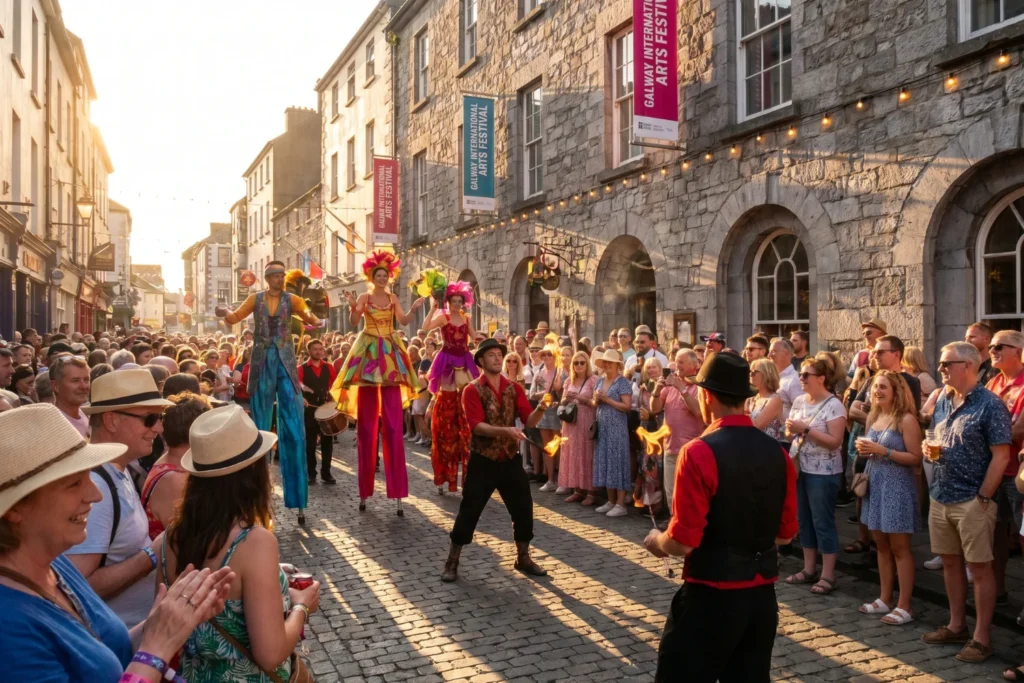
Ireland’s festival calendar is genuinely dense from June through October. The Galway Arts Festival — one of Europe’s larger multi-arts events — runs for two weeks in mid-July and transforms the city. Accommodation in Galway books out months in advance for this period. If you want to attend, plan by April at the latest.
St. Patrick’s Day (March 17) deserves a specific note. The Dublin parade and surrounding events are culturally significant, but the week sees hotel prices double or triple in the city center. Travelers who want the atmosphere without the cost often find the celebrations in smaller towns — Killarney, Westport, Dingle — more manageable and more local in character.
For whiskey and food travelers, the autumn festival circuit offers something the summer calendar doesn’t: harvest-driven menus, oyster season on the west coast, and a general sense that the country is celebrating its own produce rather than performing for tourists.
Getting There and Around
Flying in: Dublin Airport (DUB) handles the majority of international arrivals, with direct routes from North America, Europe, and the Middle East. Shannon Airport (SNN) is the better entry point if your itinerary focuses on the west coast — it puts you within an hour of the Cliffs of Moher and the Burren without driving across the country first. Cork Airport (ORK) serves the south, useful for Ring of Kerry and Blarney Castle itineraries.
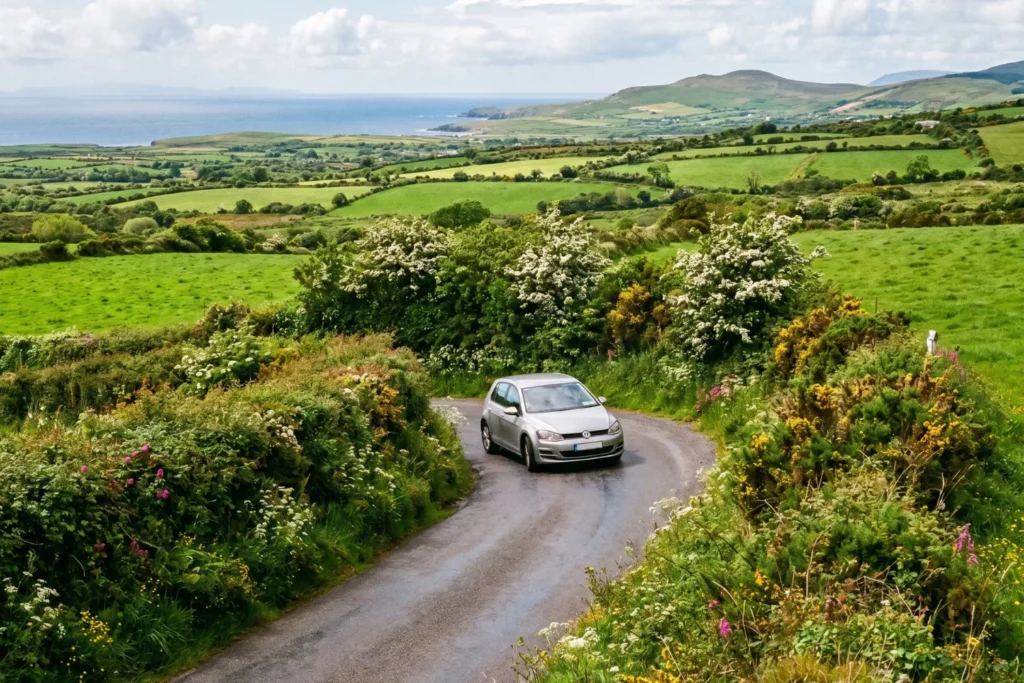
Car rental: Essential for anything outside Dublin and Galway city. Ireland drives on the left, and rural roads — particularly on the Wild Atlantic Way and Ring of Kerry — are narrow enough that an unfamiliar driver needs time to adjust. Book rental cars well in advance for summer (June–August); availability tightens sharply and prices spike. Compact cars handle narrow lanes better than SUVs.
Public transport: Dublin’s bus and rail network is reliable for city travel. The Intercity rail connects Dublin to Cork, Galway, Limerick, and Belfast efficiently. Rural connectivity drops off significantly — buses exist but run infrequently. For Killarney National Park or the Dingle Peninsula, a car is the practical choice.
Ireland public transport routes and timetables → Transport for Ireland
Where to Stay
Budget: Kinlay Hostel Dublin (Temple Bar area, central location, dorm beds) and Galway City Hostel (walking distance to the Latin Quarter) are reliable, well-reviewed options for backpackers and solo travelers. November through February delivers the best rates.
Mid-range: B&Bs across Kerry and Clare offer the most authentic accommodation experience. Properties in Dingle town and Doolin (gateway to the Cliffs of Moher) typically run €80–140 per night in shoulder season. Book directly with the property when possible — many aren’t on major booking platforms and offer better rates by phone or email.
Luxury: The Merrion Hotel in Dublin and Ashford Castle in County Mayo represent Ireland’s upper tier. Ashford Castle in particular suits September and October visits — the estate grounds are quieter, the fishing season is active, and rates, while still high, are below the summer peak.
Top Things to Do by Season
Spring (March–May): Drive the Wild Atlantic Way before summer traffic builds. Walk the Cliffs of Moher on a clear May morning — crowds are a fraction of August levels. Visit the Burren for wildflower season in April and May. Attend St. Patrick’s Day festivities in a smaller town for a more local experience. Whiskey tastings at the Jameson Distillery Midleton work in any weather.
Summer (June–August): Attend the Galway Arts Festival in July. Play golf on links courses — Ballybunion and Lahinch are in their best condition June through August. Take the boat to Skellig Michael (bookings open months in advance; May–September only). Long evenings mean coastal walks near the Dingle Peninsula stretch well past 9 p.m.
Autumn (September–November): Hike in Killarney National Park during peak foliage in October. Attend the Galway Oyster Festival in late September. Drive the Ring of Kerry in September with noticeably lighter traffic than summer. Castle visits — Blarney Castle, Rock of Cashel — are at their most relaxed in October.
Winter (December–February): Dublin’s Christmas markets and Temple Bar atmosphere make December a genuine option for city-focused travelers. Pub sessions in Galway and Doolin are at their most intimate. January and February are best for budget-conscious travelers who prioritize cost over weather and daylight.
Season Comparison Table
| Season | Weather | Crowds | Price | Best For |
|---|---|---|---|---|
| Spring (Mar–May) | Mild, variable, improving | Low to moderate | Low to mid | Scenic drives, hiking, wildflowers |
| Summer (Jun–Aug) | Warmest, still rainy | Peak | Peak | Festivals, long days, Skellig Michael |
| Autumn (Sep–Nov) | Mild cooling, wetter by Nov | Low to moderate | Low to mid | Foliage, harvest festivals, golf |
| Winter (Dec–Feb) | Cold, wet, short days | Very low | Budget | City breaks, pubs, lowest costs |
Common Mistakes to Avoid
Assuming summer means dry. July and August are Ireland’s warmest months, not its driest. Rain is a constant across the west coast year-round. Travelers who pack for warmth without waterproofing spend a disproportionate amount of time sheltering.
Booking the Ring of Kerry in August without planning for traffic. The Ring of Kerry in peak summer is a slow-moving convoy. Driving it counterclockwise (the opposite direction to tour buses) helps, but May and September remain the practical choice for anyone who wants to stop freely and enjoy the route rather than queue through it.
Underestimating driving times on rural roads. Google Maps estimates assume normal road speeds. On the Wild Atlantic Way and Dingle Peninsula, 60km can take 90 minutes. Build buffer time into every driving day.
Ignoring Shannon Airport for west coast itineraries. Most travelers default to Dublin. Flying into Shannon and out of Dublin (or vice versa) saves 2–3 hours of driving on each end of a west-coast-focused trip — a meaningful difference on a 7–10 day itinerary.
Visiting Skellig Michael without advance booking. Boat trips to Skellig Michael run May through September and are capped by permit. They sell out weeks or months ahead. This is not a spontaneous addition to an itinerary.
Conclusion
May and September are the clearest answers for most travelers planning an Ireland trip. They thread the needle between weather, cost, crowd density, and daylight in a way that no other months quite match. Summer delivers the festivals and the longest days but asks you to pay peak prices and share the scenery. Winter offers genuine value and atmosphere in Dublin, but the west coast pulls back significantly. Wherever your dates land, waterproof gear and a car rental booked in advance are non-negotiable. Plan those two things first, then build the rest.
C. FAQ SECTION
Q: What is the best month to visit Ireland overall?
A: May is the single strongest month for most travelers. Temperatures reach 12–17°C (53–63°F), daylight extends to 16 hours by late May, crowds haven’t hit peak summer levels, and accommodation costs sit below the June–August peak. The Ring of Kerry and Wild Atlantic Way are driveable without the August traffic. September is the closest alternative, particularly for travelers who prefer autumn foliage and harvest festivals over spring greenery.
Q: Is March a good time to visit Ireland?
A: March is a reasonable choice with one major caveat. St. Patrick’s Day (March 17) drives hotel prices in Dublin to near-summer levels for the surrounding week. Outside that window, March offers low prices, improving daylight, and thin crowds. Temperatures run 7–11°C (44–52°F) with frequent rain. It works well for budget travelers avoiding the parade week, or for anyone specifically seeking the cultural events around March 17.
Q: What is the cheapest time to visit Ireland?
A: January and February are consistently the cheapest months. Airfare and accommodation drop 40–60% below summer rates. Dublin’s main attractions — Guinness Storehouse, Trinity College, National Museum — operate normally. The west coast is wetter and some rural tours don’t run, but for city-focused or budget-first travelers, these two months represent the clearest value. November is a close third, with similar pricing and slightly more daylight.
Q: How many days do you need in Ireland?
A: Seven to ten days covers Dublin, a west coast road trip (Galway, Cliffs of Moher, Ring of Kerry), and one or two secondary stops like Killarney or the Dingle Peninsula. Ten to fourteen days allows Northern Ireland — Giant’s Causeway, Belfast — without feeling rushed. Spring and autumn are the most efficient seasons for this kind of itinerary because driving conditions are better and you’re not losing time to peak-season traffic on the Ring of Kerry.
Q: Is Ireland worth visiting in winter?
A: For Dublin city breaks, yes — December through February offers a genuinely different and underrated experience. Christmas markets, intimate pub sessions, and empty museums make winter Dublin appealing for couples and solo travelers. For west coast scenery, winter is harder to recommend: some coastal tours close, daylight runs to 8–9 hours in January, and the rain intensifies. Budget travelers who focus on cities and indoor experiences get real value from a January or February visit.
Q: When should families visit Ireland?
A: June and July are the practical choices for families, aligning with school holidays in most countries. Long daylight hours (17–18 hours in June) mean children aren’t rushed through outdoor sites. Killarney National Park, Blarney Castle, and the Cliffs of Moher are all fully operational. The tradeoff is cost — summer is peak pricing. Families who can travel in late June (before the July peak) or early September (after school returns in some countries) will find better rates with comparable conditions.
Q: What’s the best time to visit Ireland for hiking?
A: May and early June offer the best combination of trail conditions, daylight, and manageable weather for hiking. The Wicklow Mountains, Carrauntoohil in Kerry, and the coastal paths of the Dingle Peninsula are at their most accessible. Late September works well for experienced hikers who don’t mind shorter days and some rain. Avoid January and February for serious hiking — short daylight, wet ground, and limited rescue infrastructure in remote areas make conditions genuinely risky.
Q: Does the east coast differ much from the west coast in terms of weather?
A: Significantly. Dublin and the east coast receive roughly 700–800mm of rain annually. Galway and the west coast receive 1,200–1,400mm, with the far west of Kerry and Mayo higher still. This means a sunny Dublin day in April can coincide with heavy rain in Galway. Travelers planning a combined itinerary should build flexibility into west coast days and treat any dry window as an opportunity to move. The west coast’s weather is more variable, not just wetter — conditions can shift within hours.