Finding Your Best Travel destinations in South America: A 2026 Traveler’s Guide
last updated april 2026
South America isn’t a single destination you check off. It’s a continent of choices, each with a different personality and price tag. Asking for the best travel destinations in South America is like asking for the best tool in a shed—it depends on the job. Are you here for a 10-day blast of ancient ruins and alpacas? A month of trekking under granite spires? Or a slow amble through wine country and tango halls? This guide skips the generic rankings. For broader seasonal planning, see our best places to travel worldwide. The short answer: your perfect trip blends one iconic draw with a less-hyped region that fits your pace.
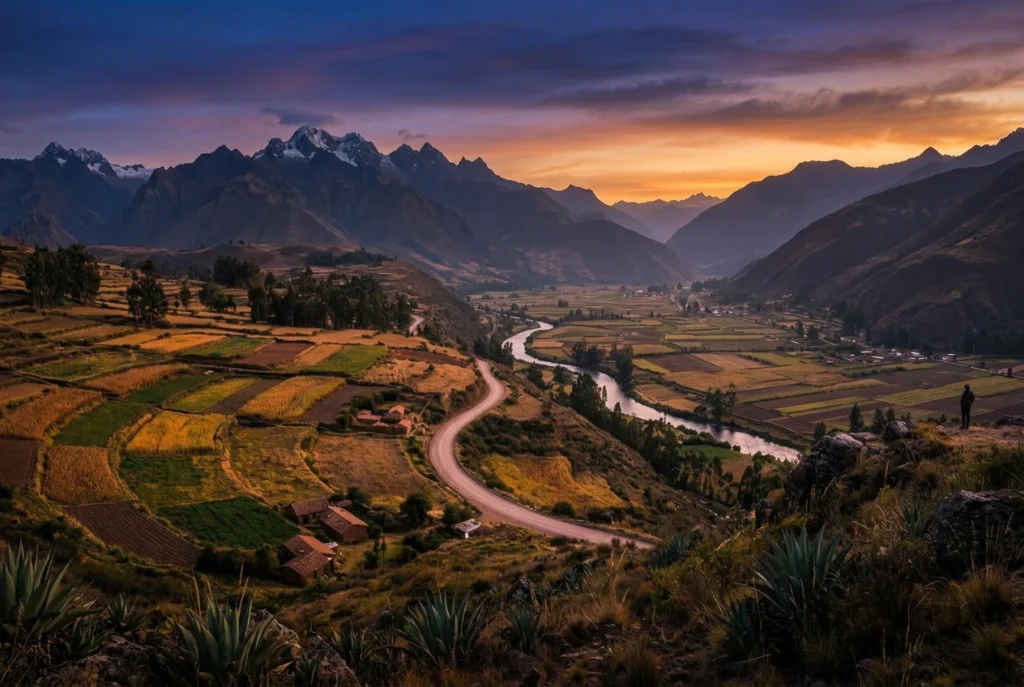
Table of Contents
When to Go: The Best Time to Visit South America
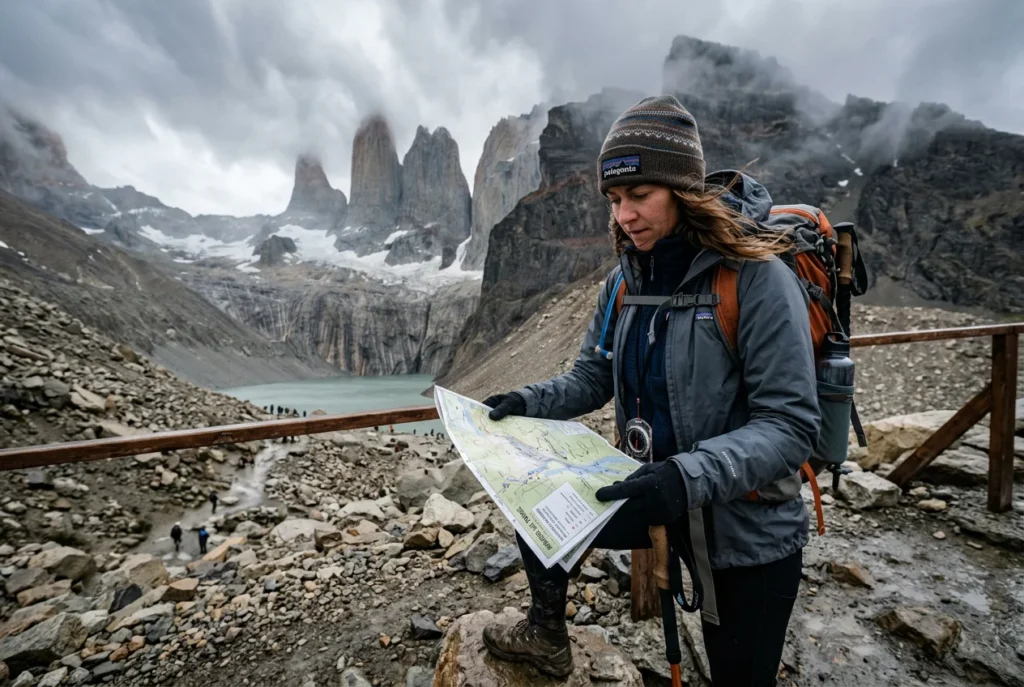
The best time to visit South America is a trick question because the continent has opposite seasons and multiple climate zones. You must pick your region first. For the Andes (Peru, Bolivia, Ecuador), the dry season (May to September) offers clear skies for hiking but peak crowds at Machu Picchu. Patagonia’s austral summer (December to March) is ideal for trekking, but book the W Trek refugios six months ahead. Brazil and Argentina’s summer (Dec-Mar) is hot and festive, while the Amazon has a wet season (Dec-May) for river travel and a dry season (Jun-Nov) for jungle hiking. The sweet spot? Shoulder seasons. Aim for April-May or September-October for a balance of decent weather and thinner crowds in many regions.
Quick Answer: There is no single best time. Target the dry season (May-Sept) for the Andes and Machu Picchu, the austral summer (Dec-Mar) for Patagonia and Buenos Aires, and the drier, cooler season (Jun-Nov) for the Galapagos. Shoulder months (Apr-May, Sep-Oct) often provide the best compromise.
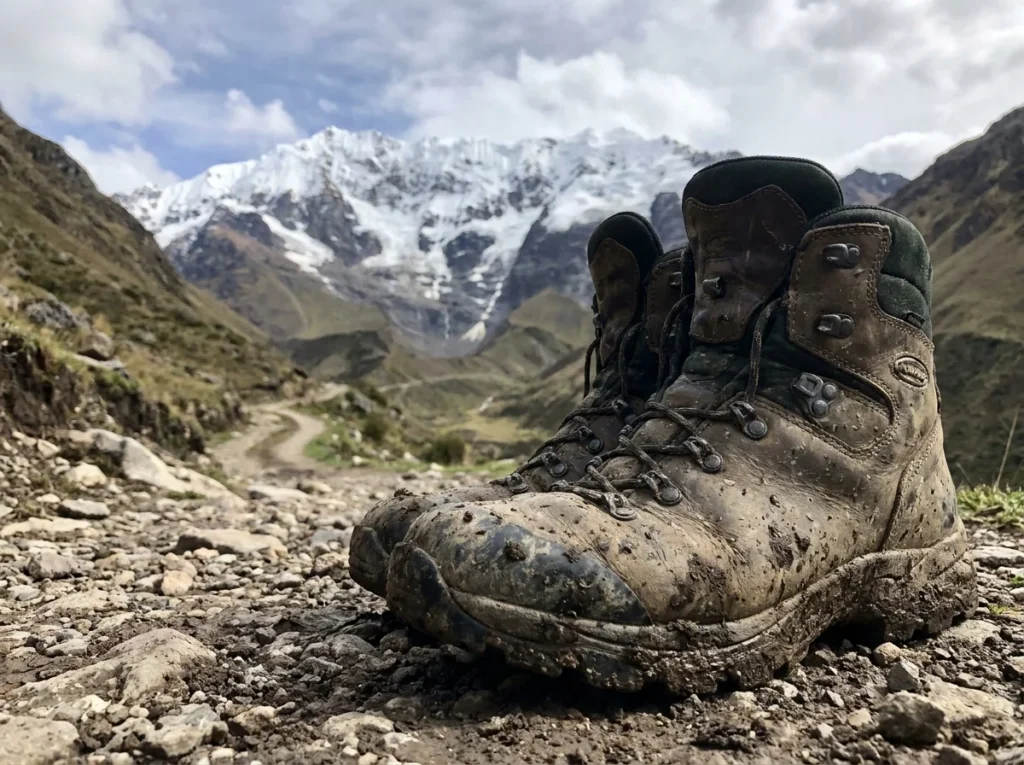
In practice, your choice dictates the experience. In February 2023, I hiked the Salkantay Trek as an alternative to the closed Inca Trail. While cheaper, the daily afternoon downpours turned trails to mud, adding 2 hours to our trek to Humantay Lake. The guide cost was $450 for the 5-day trek, but the weather risk was real. The takeaway? Always cross-check your dream activity’s operational calendar with regional weather patterns.
What is the Safest South American Country to Visit?
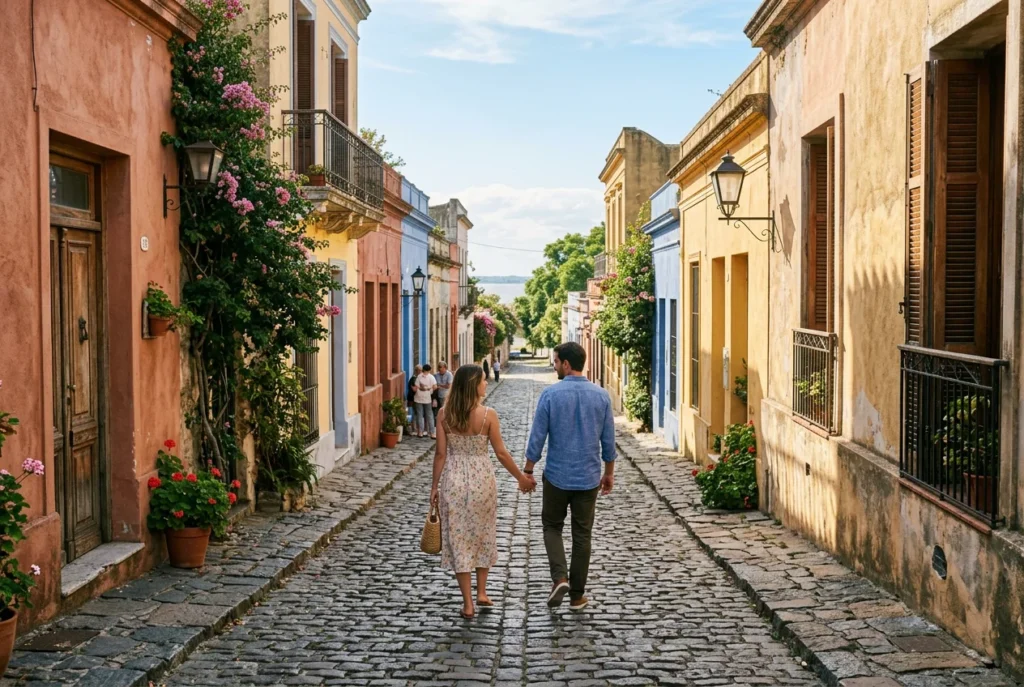
Safety is a top concern, and Uruguay consistently ranks as one of the safest South American countries for travelers, with a low crime rate and stable political environment. According to the 2023 Global Peace Index, Uruguay is the most peaceful nation in South America. Chile is also a very secure choice, with well-organized tourist infrastructure. That said, safety is often hyper-local. Upscale neighborhoods in Lima (like Miraflores) feel vastly different than crowded bus terminals. The real strategy is practicing situational awareness everywhere.
Here’s the thing: “safest” doesn’t mean “risk-free.” Petty theft like phone snatching is common in crowded areas from Rio to Quito. Use a cross-body bag, don’t flash expensive gear, and use official taxi apps like Beat or Uber in cities. For solo travelers, especially women, well-trodden gringo trails in Peru and Chile offer more community and established tourist police presence. I’ve found registering with your embassy and using registered tour operators for remote excursions adds a layer of security.
What is the Cheapest South American Country to Visit?
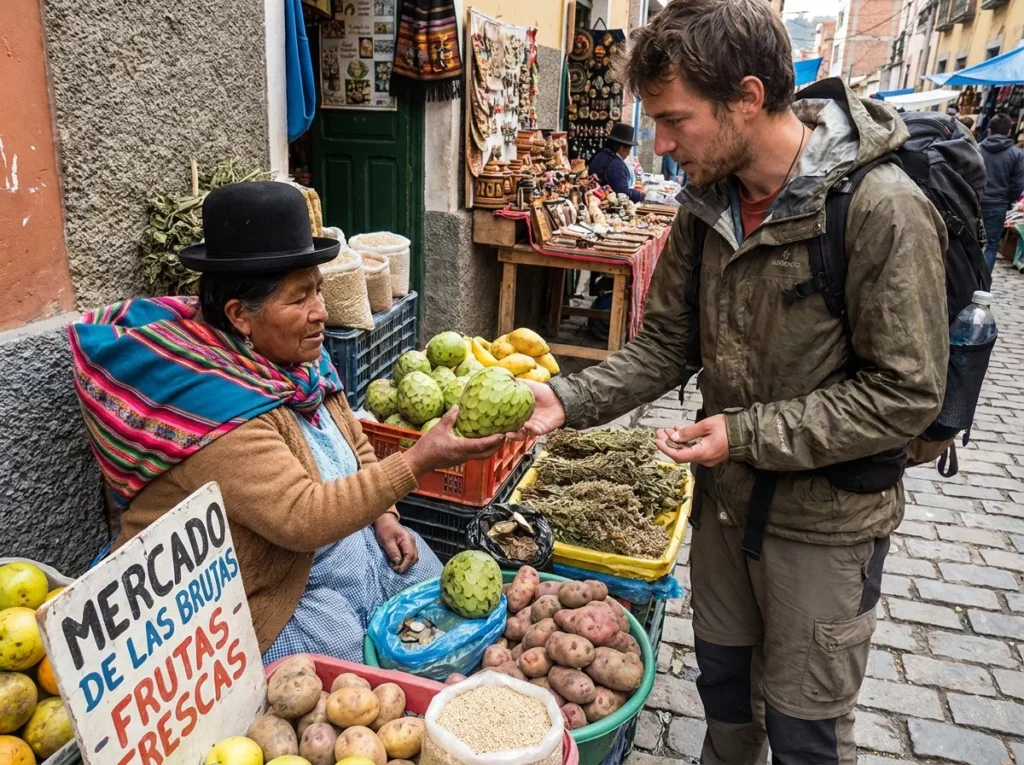
For budget-conscious travelers, Bolivia and Peru offer the most value for money. Bolivia is generally the cheapest, where a hearty almuerzo (set lunch) costs $3-4, and budget hostel beds can be found for under $10. Peru provides a slightly higher cost but vastly more developed tourist circuits. Argentina, when accessed with US dollars or Euros exchanged on the unofficial blue market, becomes surprisingly affordable for mid-range comforts—think steak dinners and boutique hotels.
Your daily budget swings wildly based on activity. A multi-day trek to Machu Picchu or a Galapagos cruise will dominate your spend, regardless of the country. In Bolivia, a three-day 4×4 tour of the Salar de Uyuni salt flats is a fixed, non-negotiable cost, but it’s a fraction of a similar adventure elsewhere. The lesson: allocate your funds to the big-ticket experiences you care about, and save on daily logistics in cheaper countries.
What is the Best Month to Go to South America?
If forced to choose one month that offers the widest appeal across multiple regions, target September. In September, the heavy winter crowds in Peru’s Andes have eased, the weather is still dry, and the hiking conditions are excellent. Patagonia is just waking up from winter, with longer days and fewer tourists before the December peak. The Amazon is in the latter part of its drier season, meaning fewer mosquitoes and better trail access. Brazil is entering its pleasant spring. It’s a compromise month that lets you craft a multi-country itinerary without facing the worst of any season’s downsides.
That said, if your heart is set on a specific festival or natural event, the calendar rules. Want Carnival in Rio? That’s February or March. Dreaming of seeing penguins in Patagonia? They arrive around October. Hoping to hike the Inca Trail without a thousand others? The wettest months of January and February have the fewest permits issued, but you trade that for rain.
How Many Days Do You Need in South America?
For a focused trip to one or two countries, plan for 10 to 14 days minimum. This allows a deep dive into a primary region: for example, 10 days for Peru (Lima, Cusco, Sacred Valley, Machu Picchu) or two weeks for Chile (Atacama Desert, Santiago, and a taste of Patagonia). For a broader highlights tour covering three major destinations (e.g., Peru, Bolivia, and Argentina), you’ll need 3 to 4 weeks to account for travel days and altitude acclimatization. The continent’s vast size is the limiting factor.
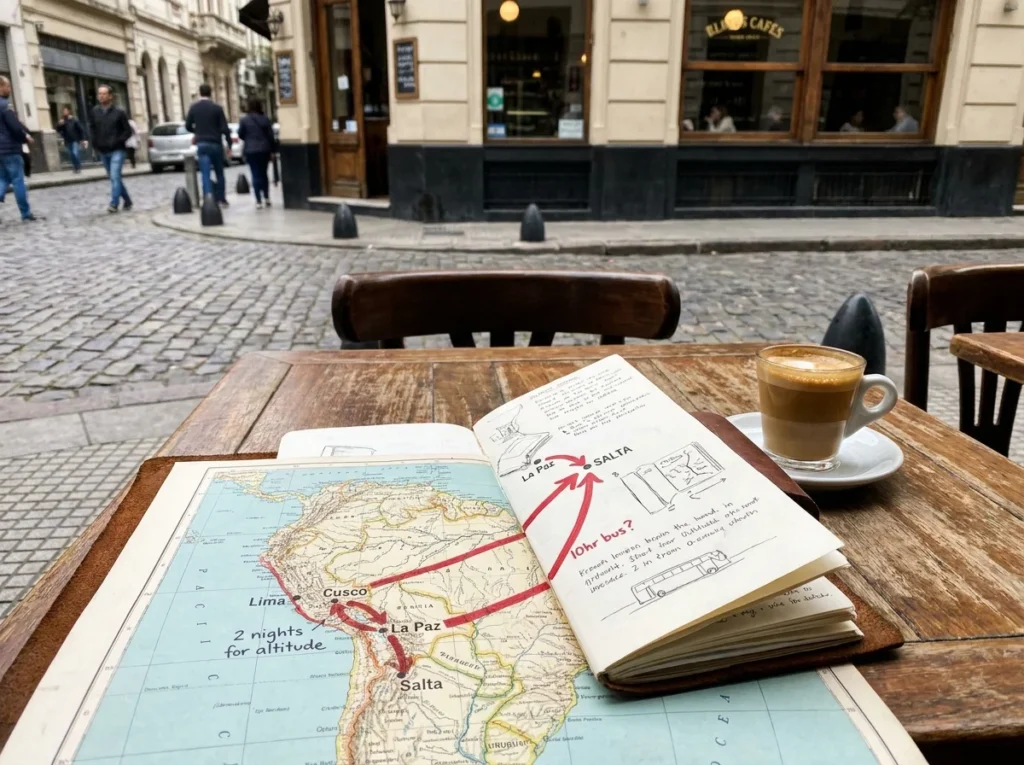
Most first-timers underestimate travel time. A flight from Lima to Buenos Aires is over 5 hours. A bus from La Paz to Uyuni takes 10+ hours. My own attempt to see the Galapagos and the Andes in two weeks was a mistake. The lesson: add at least one full buffer day for international connections in hubs like Lima or Santiago, and never plan a major activity for the day you fly into a high-altitude city like Cusco (3,400m).
Getting There & Getting Around: The Logistics Layer
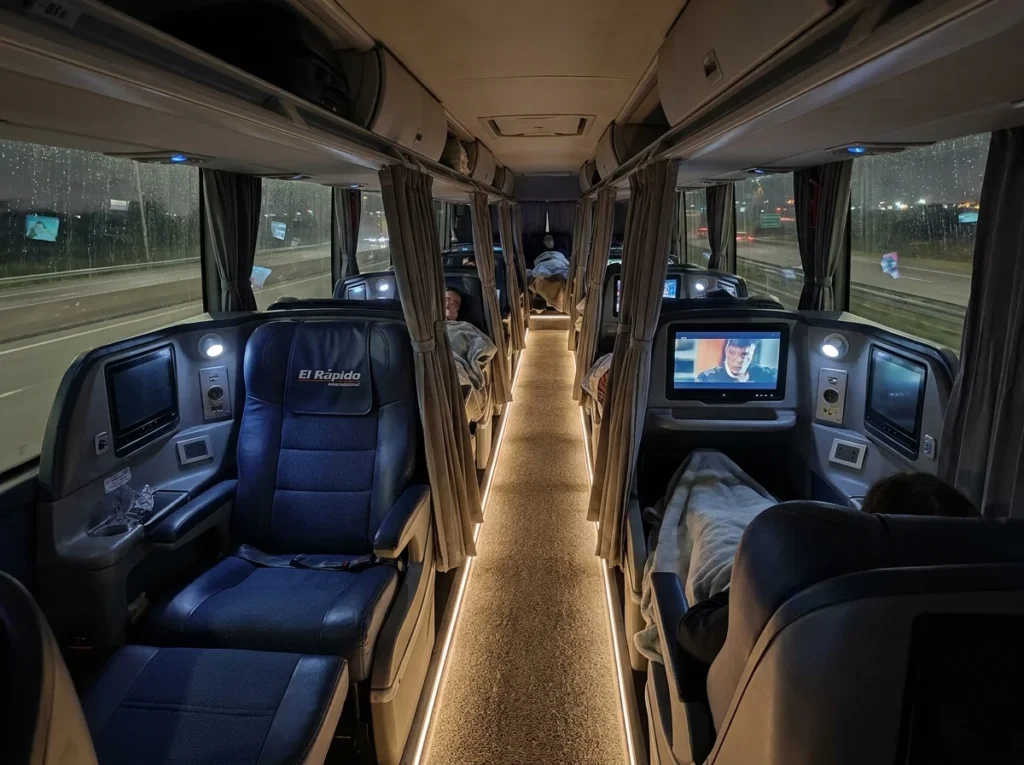
International flights typically land in major hubs: São Paulo (GRU), Buenos Aires (EZE), Lima (LIM), or Santiago (SCL). From there, a network of budget airlines like Sky Airline, JetSMART, and LATAM connect countries. For distances under 10 hours, long-distance buses are a cultural experience and often surprisingly comfortable—semi-cama (recliner) or cama (bed) seats are worth the upgrade. In Colombia or Ecuador, domestic flights are often cheaper and faster than long-haul buses.
Rental cars can be useful in specific regions like Chile’s Lake District or Argentina’s wine country, but are not recommended for city driving or cross-border trips. For iconic journeys, book ahead: the Inca Rail train to Machu Picchu, the ferry to Colombia’s Tayrona Park, or any Galapagos cruise. In 2026, always confirm entry requirements; Brazil now requires an e-visa for US, Canadian, and Australian citizens.
Where to Stay: From Hostels to Haciendas
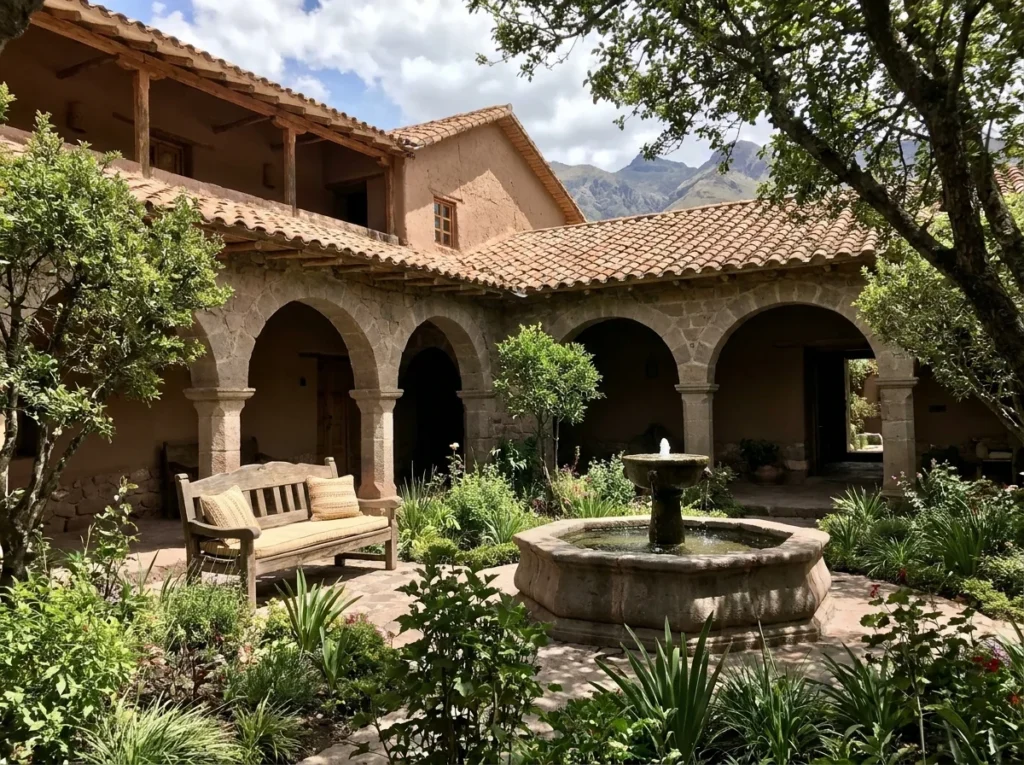
Accommodation defines your trip. Backpackers thrive in social hostels like Wild Rover in Cusco or Los Patios in Medellin. Mid-range travelers should seek out boutique gems: a converted casona in Lima’s Barranco district or a family-run hacienda in Ecuador’s highlands. For luxury, South America excels in remote lodges: Explora Patagonia in Chile, an Amazon riverboat like the Aria, or the Belmond Hotel das Cataratas inside Iguazu National Park.
Your choice often depends on location. In Buenos Aires, splurge on a Palermo Soho apartment for neighborhood immersion. In the Atacama Desert, your tour package usually includes a stay in San Pedro de Atacama. On a 2019 trip, I booked a last-minute hostal in Cusco two blocks from the main plaza for its central location. The lesson: the constant noise from bars and 5 a.m. street sweeping meant no sleep, forcing me to switch hotels after one night and costing more in the end. The takeaway? Spend a little more for a room on a quiet, interior courtyard, or stay just outside the historic center.
Top Things to Do: Beyond the Postcard
- Trek Smart: Instead of just the Inca Trail, consider the Salkantay Trek for more dramatic scenery and fewer permits. In Patagonia, day hikes in Argentina’s El Chaltén are free and spectacular, while Chile’s W Trek requires meticulous booking.
- Wildlife Right: The Galapagos is in a league of its own, but for a budget-friendly alternative, Brazil’s Pantanal offers the best jaguar spotting on the continent. A 3-day tour from Cuiabá is a fraction of a Galapagos cruise cost.
- City Culture: Skip generic city tours. In Buenos Aires, take a parrilla (steakhouse) cooking class. In Medellin, join a Comuna 13 graffiti tour to understand the city’s transformation. In Lima, go straight for a food tour of the Surquillo market.
- Ancient Ruins: Machu Picchu is obligatory, but arrive via the Sacred Valley to see Ollantaytambo’s living Inca town and Moray’s circular agricultural terraces first—they provide crucial context.
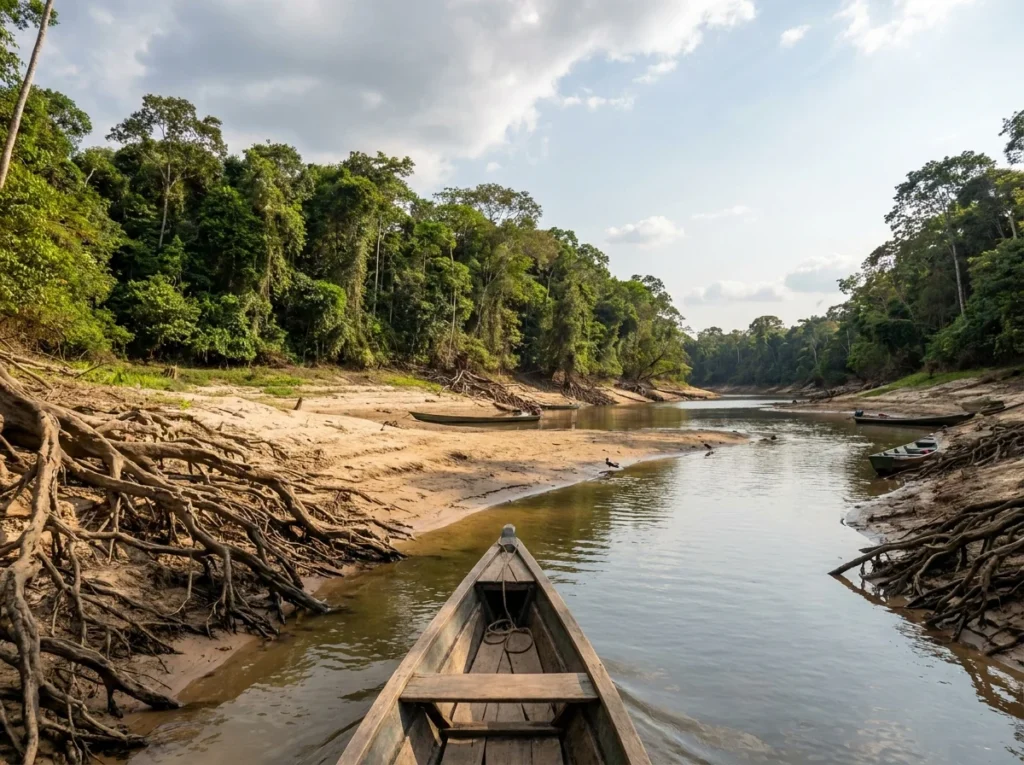
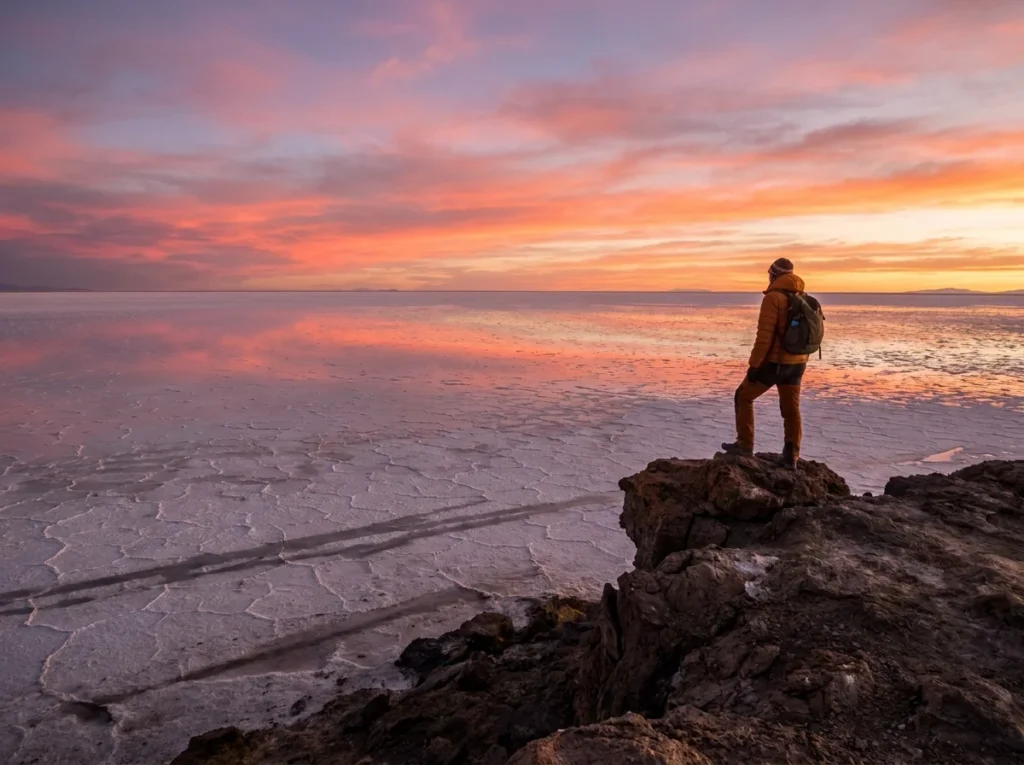
- Otherworldly Landscapes: The Salar de Uyuni salt flats in Bolivia are surreal, especially during the rainy season (Jan-Apr) when they become a giant mirror. Chile’s Atacama Desert offers geysers, salt lagoons, and star-gazing that feels Martian.
Where to Eat & Drink: A Flavor Primer
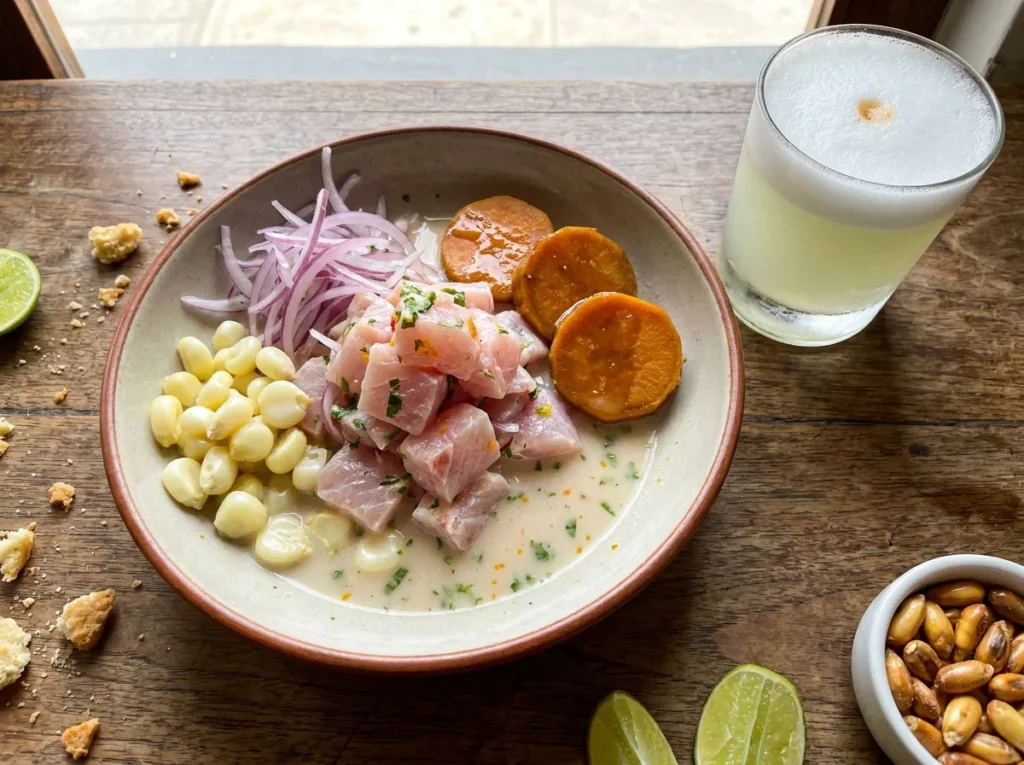
South American cuisine is regional. In Peru, ceviche is a religion—eat it at lunch when the fish is freshest. Central in Lima (world’s #1 restaurant 2023) is an experience, but a causa (potato terrine) from a market stall is just as essential. Argentina is for asado (barbecue); don’t order your steak well-done. In Buenos Aires, Don Julio is famous, but any neighborhood parrilla with a line of locals is a winner.
Drink the local wine: Malbec in Argentina, Carménère in Chile. Pisco Sour is from both Peru and Chile (a friendly rivalry). In Colombia, drink aguardiente; in Brazil, caipirinhas. I made the mistake of ordering a “spicy” dish in Bolivia without clarification. The lesson: llajwa (a local salsa) can be volcanic. The takeaway? Always ask for sauces on the side.
Patagonia: Chile vs. Argentina – A Quick Comparison
Choosing a side for Patagonia is a classic dilemma. Here’s the breakdown:
| Feature | Chilean Patagonia (Torres del Paine) | Argentine Patagonia (El Chaltén / Perito Moreno) |
|---|---|---|
| Iconic Draw | The granite Torres (Towers) and the Cuernos (Horns). The famous “W” or “O” circuit treks. | Mount Fitz Roy & Cerro Torre. The advancing Perito Moreno Glacier. |
| Hiking Style | Mostly structured, multi-day treks between designated refugios or campsites. Requires advance booking. | Focus on free, standalone day hikes from the town of El Chaltén. More flexible. |
| Cost | Higher. Park fees, mandatory refugio stays, and bus/boat transfers add up. | Lower. No park fees for Fitz Roy trails, affordable hostels/hotels in town. |
| Logistics | Fly to Punta Arenas, then a 3-5 hour bus to Puerto Natales, then to the park. | Fly to El Calafate (for glacier), then a 3-hour bus to El Chaltén (for hiking). |
| Best For | Trekking purists wanting a consolidated, world-class multi-day circuit. | Hikers wanting flexibility, lower cost, and a mix of glaciers and mountains. |
Common Mistakes to Avoid
- Underestimating Altitude: Flying straight to Cusco (3,400m) or La Paz (3,650m) and planning activity for day one. Fix: Land in a lower city like Lima or Arequipa first, or head directly to the Sacred Valley (2,800m) which is lower than Cusco.
- Overpacking Itineraries: Trying to see the Galapagos, the Amazon, and Machu Picchu in two weeks. Fix: Focus on one major region per week. The travel days are real.
- Packing Wrong: Bringing only summer clothes to the Andes. Fix: Layers are non-negotiable. A down jacket, hat, and gloves are essential for Patagonia and Andean mornings/evenings, even in summer.
- Assuming Card Acceptance: Outside major hotels and restaurants in big cities, cash (often US dollars) is king. Fix: Always carry local currency and small US bills for tours, markets, and remote areas.
- Booking Everything Last Minute: The best Galapagos boats, Inca Trail permits, and Patagonia refugios sell out months ahead. Fix: For peak season travel to flagship attractions, book 6-9 months in advance.
Conclusion: Your Next Step
The best travel destinations in South America are the ones that align with your time, budget, and curiosity. Start by picking your “non-negotiable” — be it a specific hike, a wildlife encounter, or a cultural deep dive. Build outward from there, being ruthlessly realistic about distances. Embrace the logistical puzzle as part of the adventure. For Europe comparison, see our best places to visit in Europe. Your reward is a continent that delivers raw, unforgettable moments, from the silence of a salt flat to the roar of a glacier calving. Now, pick a starting point and dig into the details.
I’ve traveled South America across multiple trips — hiking Salkantay in February mud, booking straight to Cusco and spending day one in bed with altitude headaches, and accidentally ordering volcanic llajwa in Bolivia. I write about South America because the gap between Instagram highlights and a 14-hour Bolivian bus ride is enormous — and worth knowing before you book. Updated as visa requirements, trail permits, and regional safety change.
C. FAQ SECTION
Q: Is South America good for first-time solo travelers?
A: Yes, particularly the well-established “Gringo Trail” through Peru, Bolivia, and Chile. Hostels are social, tourist police are present in major areas, and there’s a strong network of other travelers. Stick to reputable tour operators for adventures like trekking. For absolute beginners, start with Chile or Uruguay for their ease and stability.
Q: Do I need a visa to travel to South America?
A: It depends on your passport. Many nationalities (US, EU, Canada, Australia) get visa-free entry to countries like Peru, Chile, Argentina, and Colombia for tourism, typically for 90 days. As of 2026, Brazil requires an e-visa for US, Canadian, and Australian citizens. Always check official government sites 3 months before travel.
Q: What vaccinations do I need for South America?
A: Yellow Fever vaccination is recommended (and sometimes required for entry) if visiting the Amazon Basin (parts of Peru, Brazil, Colombia, Bolivia). Hepatitis A and Typhoid are advised for most travelers. For the Andes, discuss altitude sickness medication (like Acetazolamide) with your doctor. Carry proof of Yellow Fever vaccination.
Q: Is it safe to drink the tap water in South America?
A: Generally, no. In major cities like Santiago or Buenos Aires, it may be treated, but it’s not worth the risk. Plan to drink bottled or filtered water everywhere. A reusable water bottle with a built-in filter (like a Grayl) is a sustainable and practical investment for the trip.
Q: What’s the best way to manage money across different countries?
A: Use a combination. Carry a debit card for ATM withdrawals (notify your bank first). Use a credit card with no foreign transaction fees for hotels and larger purchases. Always have a stash of US dollars in small denominations as a backup, as they are widely accepted for tours and can be exchanged locally.
Q: Can I use Uber in South American cities?
A: Uber operates in many major cities like Lima, Santiago, Buenos Aires, São Paulo, and Bogotá. It’s often safer and more reliable than hailing a random taxi. In cities where it’s not available (like La Paz or Quito), use the official taxi stand at the airport or have your hotel/restaurant call a registered radio taxi.
Q: How do I handle the high altitude in places like Cusco?
A: Acclimatize slowly. Spend your first 24-48 hours resting, drinking plenty of water (but avoid alcohol), and eating light meals. Coca tea is a local remedy that can help with mild symptoms. Consider medication like Acetazolamide (Diamox) after consulting your doctor. If symptoms become severe (shortness of breath at rest), descend immediately.
Q: What’s a realistic daily budget for a mid-range traveler?
A: Excluding major tours/flights, budget $70-$120 USD per person per day. This covers a private room in a nice guesthouse or 3-star hotel, meals at local restaurants, local transportation, and entrance fees. In cheaper countries (Bolivia, Peru), you’ll hit the lower end; in Chile, Argentina (with blue rate), or Brazil, plan for the higher end.