A Complete Guide to the Best Places to Travel in 2026
Last updated April 2026
The best places to travel in 2026 include Japan for strong overall value, Italy for the continuing impact of the Jubilee period, Costa Rica for family-friendly nature travel, and New Zealand for adventure. We selected these destinations based on practical planning factors that matter in real life: seasonal conditions, transport quality, entry logistics, and how well each place delivers on a specific travel goal.
Table of Contents
How We Chose the Best Places to Travel
This guide is built for readers who want useful travel planning, not a vague roundup of dream destinations. To identify the top destinations for 2026, we looked at four practical filters: value for money, ease of getting around, seasonal timing, and whether a place offers a clear reason to go now rather than “someday.”
We also prioritized destinations with strong tourism infrastructure, manageable logistics, and a clear fit for different traveler types. In places where rules can change, such as permits, weather alerts, or digital entry systems, you should still verify the latest official guidance through the relevant tourism board, park authority, transport operator, or your government’s travel advisory before booking.
A destination does not need to be trendy to belong on this list. In many cases, the smartest global travel picks are the ones that combine easier logistics with a more grounded on-the-ground experience.
The 20 Best Places to Travel in 2026
These are the places to travel in 2026 that stand out for a clear reason, whether that is value, timing, infrastructure, culture, or trip style. Rather than flattening everything into one generic ranking, this list is designed to help you decide where to go in 2026 based on how you actually travel.
Tokyo, Japan
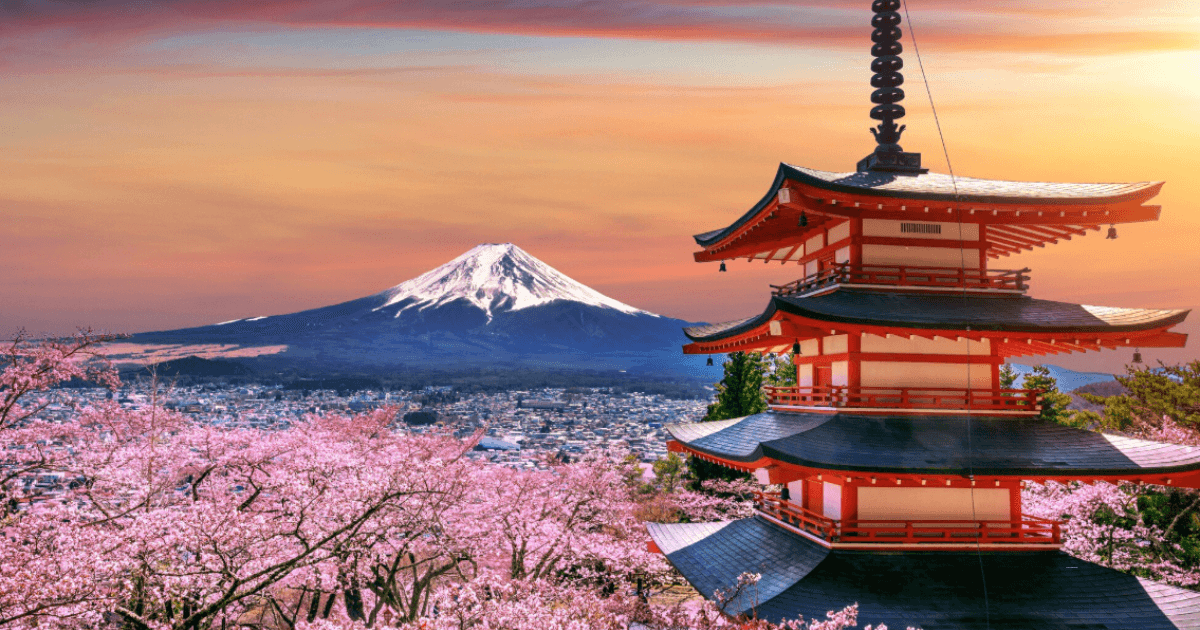
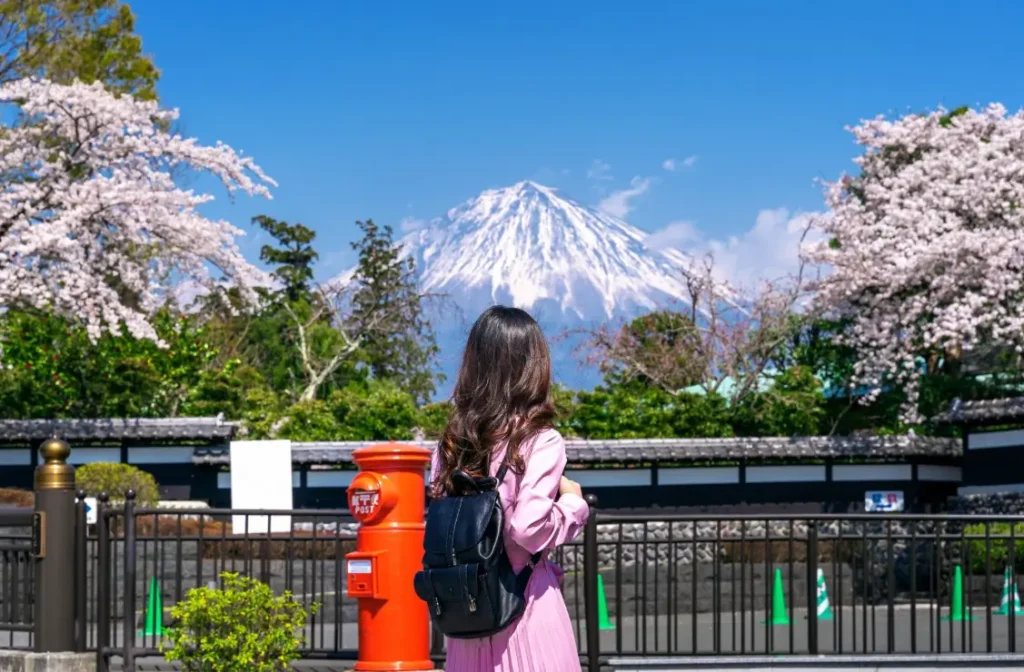
Tokyo stands out in 2026 because Japan still offers unusually strong travel value relative to the quality of the experience, especially for visitors arriving with dollars, euros, or pounds. It is best for city travelers, food-focused itineraries, and first-time visitors who want a destination that feels efficient rather than chaotic. The best seasons are spring and autumn, when temperatures are easier and the city is more comfortable to explore on foot.
One key planning tip is to organize your airport transfer and rail strategy before arrival rather than improvising after landing. On a recent trip through Japan, I was reminded how much smoother the first 24 hours feel when transit cards, hotel directions, and train reservations are already sorted. For the latest on entry apps, check the official Japan National Tourism Organization site before departure.
Rome, Italy
Rome remains one of the premier European destinations in 2026 because the tail end and continuing effects of the Jubilee period are still shaping visitor flows, site access, and city logistics. It is best for travelers focused on history, architecture, religion, and classic cultural travel. The best seasons are late spring and early autumn, when the weather is favorable and walking the historic center feels manageable.
One key planning tip is to book major monuments well ahead and build your day around timed entries. The city rewards structure. If you are researching the best places to travel in Europe, Rome still belongs in the conversation, but only if you approach it with realistic expectations about crowds and reservations.
Queenstown, New Zealand
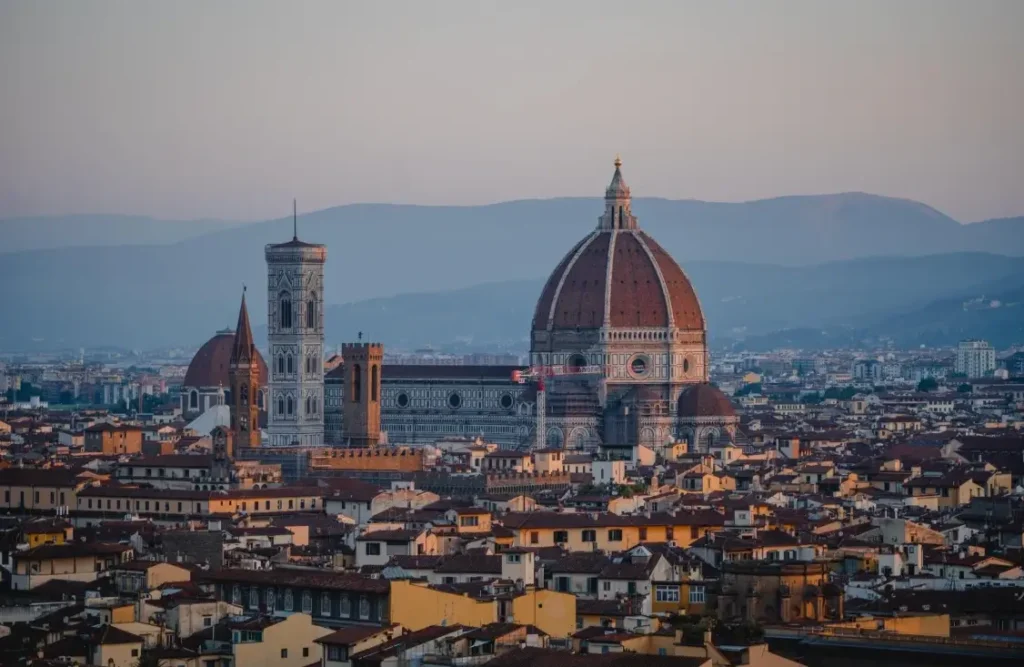
Queenstown stands out in 2026 for travelers who want one destination to anchor a full outdoor itinerary. It is best for adventure trips, scenic road travel, and active couples or friends planning a longer South Island route. The best season depends on your goal: summer for hiking and lake scenery, winter for skiing and alpine sports.
One key planning tip is to avoid compressing the South Island into too few days. A mistake I made on an earlier New Zealand trip was treating Queenstown as a quick stop rather than a proper base. Weather, distance, and mountain driving can slow everything down more than the map suggests.
Taipei, Taiwan
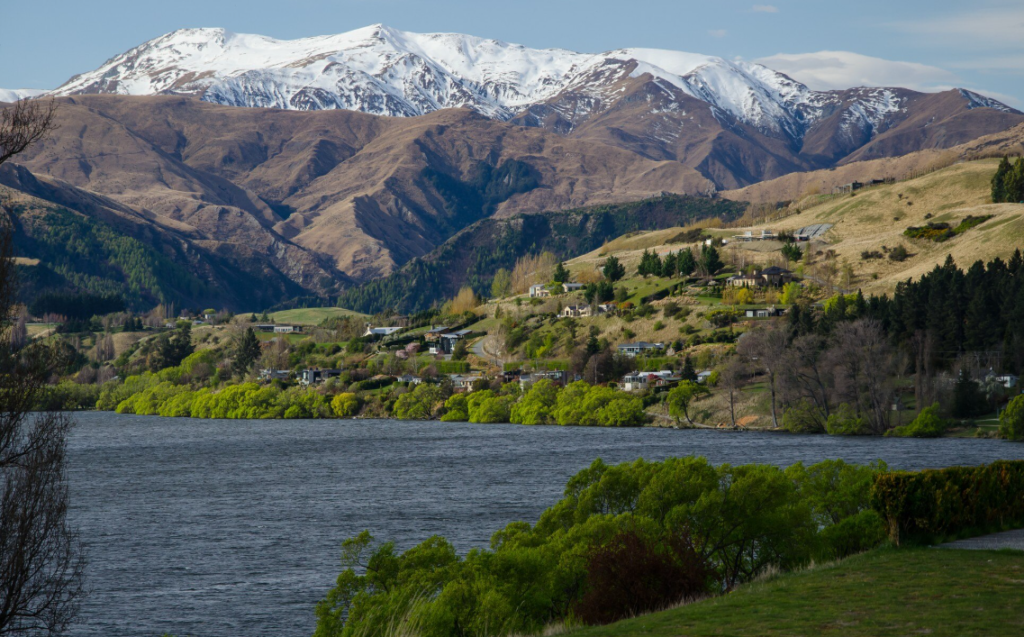
Taipei stands out because it offers a rare balance of affordability, food quality, transit efficiency, and urban ease. It is best for solo travelers, city breaks, and travelers who want East Asia without the cost level of Tokyo or Seoul. The best seasons are autumn and spring, when humidity drops and the city is easier to explore by metro and on foot.
One key planning tip is to use Taipei as a base, not the whole trip. The rail system makes it easy to add day trips without changing hotels, which is often the smartest way to get more from a short itinerary. You can book fast trains easily through the official Taiwan High Speed Rail platform.
Cusco, Peru
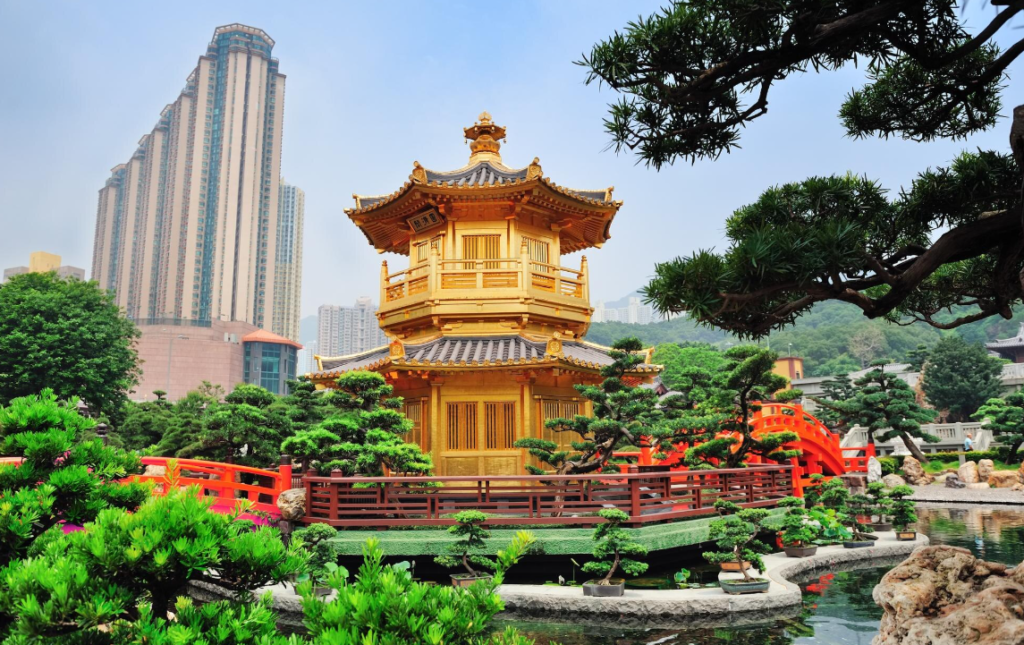
Cusco stands out in 2026 because it remains one of the clearest gateways to a high-impact trip: strong cultural identity, dramatic landscapes, and access to Machu Picchu. It is best for trekkers, history-minded travelers, and anyone building a Peru itinerary around the Andes. The best season is the dry period from May through September.
One key planning tip is to respect altitude from day one. Do not schedule your toughest activity immediately after arrival. The official Peru Ministry of Culture should be your reference point for current Machu Picchu circuits, permits, and entry rules, because access systems can and do shift.
Cape Town, South Africa
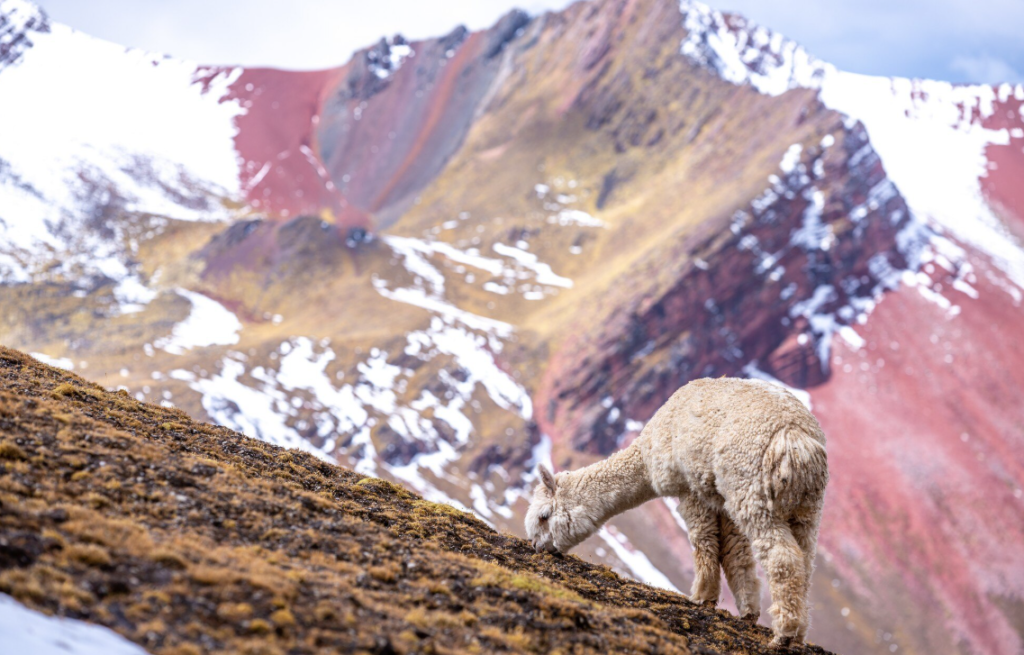
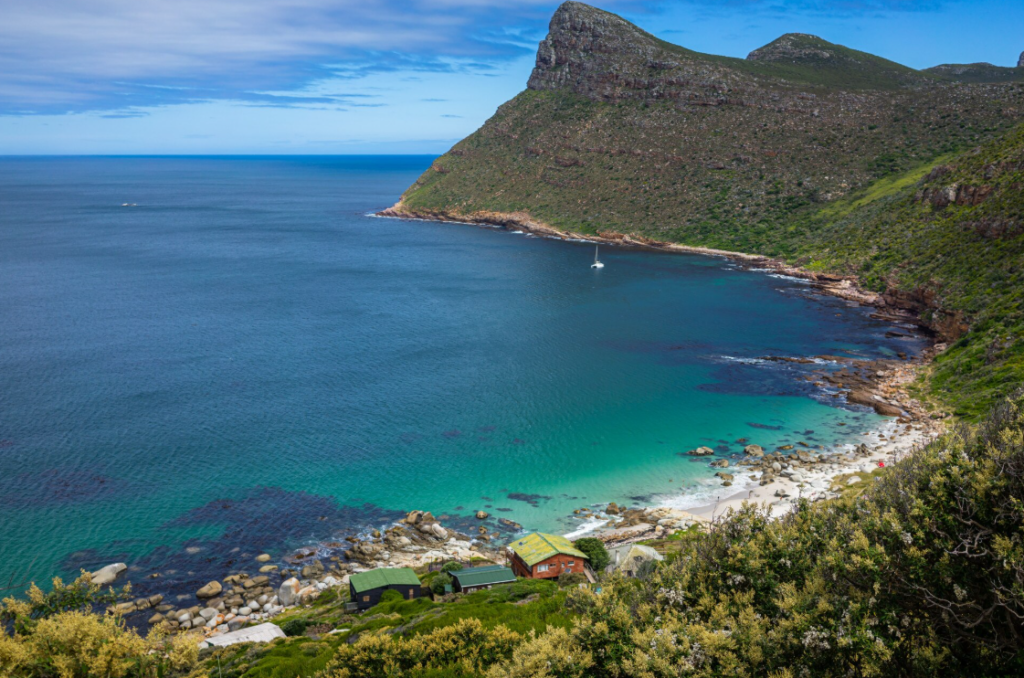
Cape Town stands out for travelers who want visual variety and strong value within one trip. It is best for couples, food-focused itineraries, scenic drives, and travelers mixing city time with nature. The best season is from November through March, when the weather is most reliable for coastal routes and vineyard visits.
One key planning tip is to be deliberate about transport. Use planned rides, trusted transfer options, and daylight timing for longer excursions. Cape Town works best when you travel with a clear daily plan.
Banff, Canada
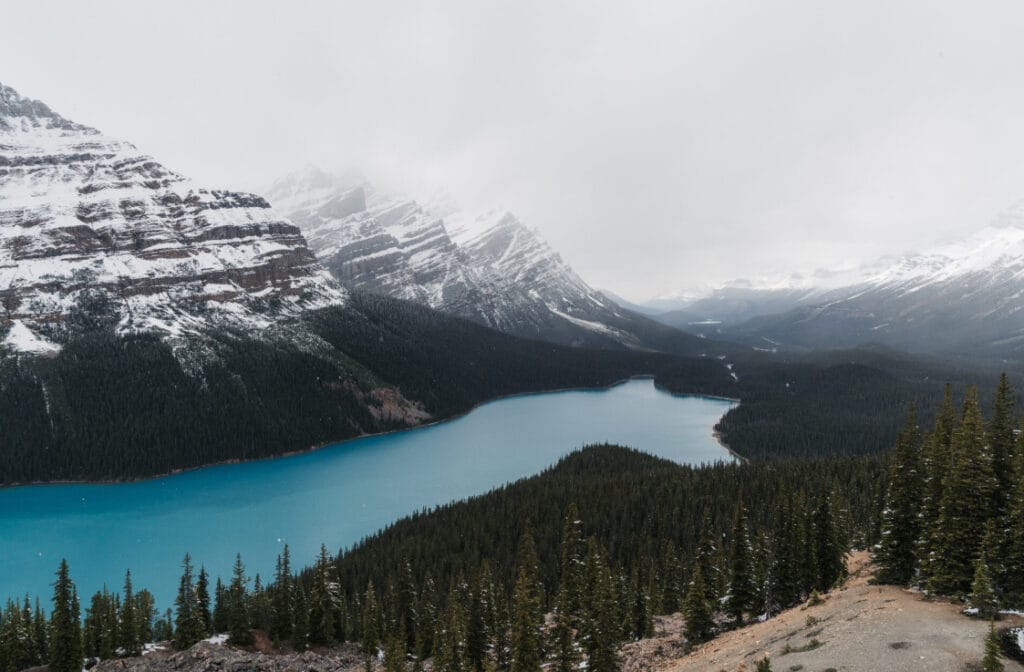
Banff stands out because it delivers a classic mountain trip with unusually strong infrastructure for independent travelers. It is best for hikers, families, photographers, and travelers who want alpine scenery without highly complex logistics. The best season is summer for trails and lake access, or winter for snow sports.
One key planning tip is to treat shuttle reservations as part of your accommodation planning, not a later detail. If you are comparing the best places to travel in July, Banff is a strong candidate, but only if you organize transport and park access early via the Parks Canada official site.
Kigali, Rwanda
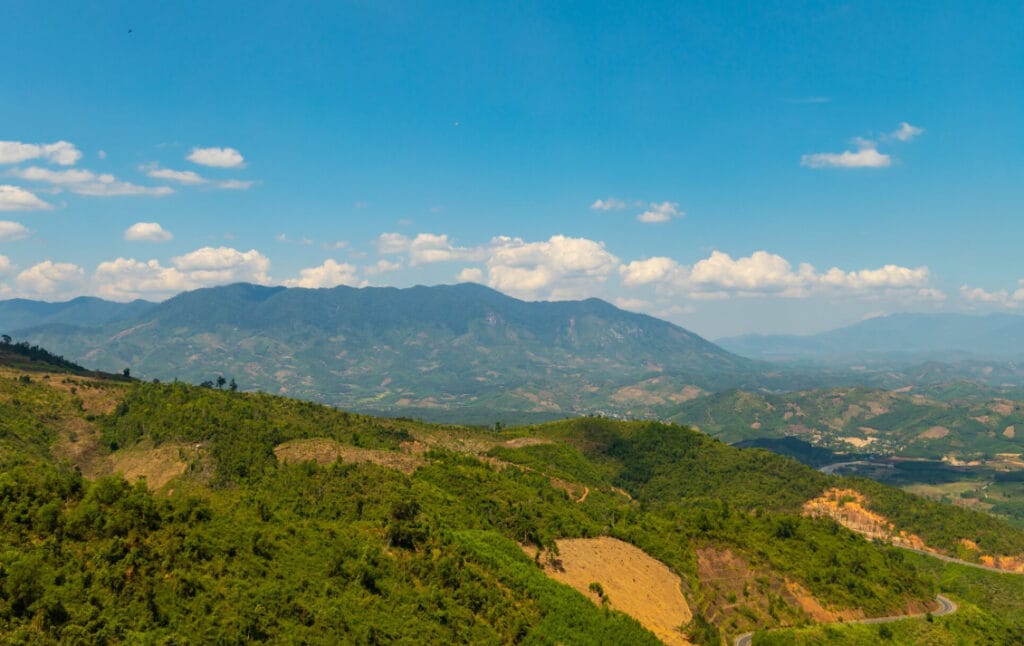
Kigali stands out in 2026 as one of the most orderly and practical entry points for a Central or East African wildlife-focused trip. It is best for premium wildlife travelers, conservation-minded visitors, and those connecting onward to gorilla trekking. The best season is the long dry period from June to September.
One key planning tip is to think of Kigali as a logistics hub first and a city break second. Gorilla permits, timing, and regional transfers require careful sequencing, and official Rwanda Development Board guidance should be checked before locking in dates.
Seoul, South Korea
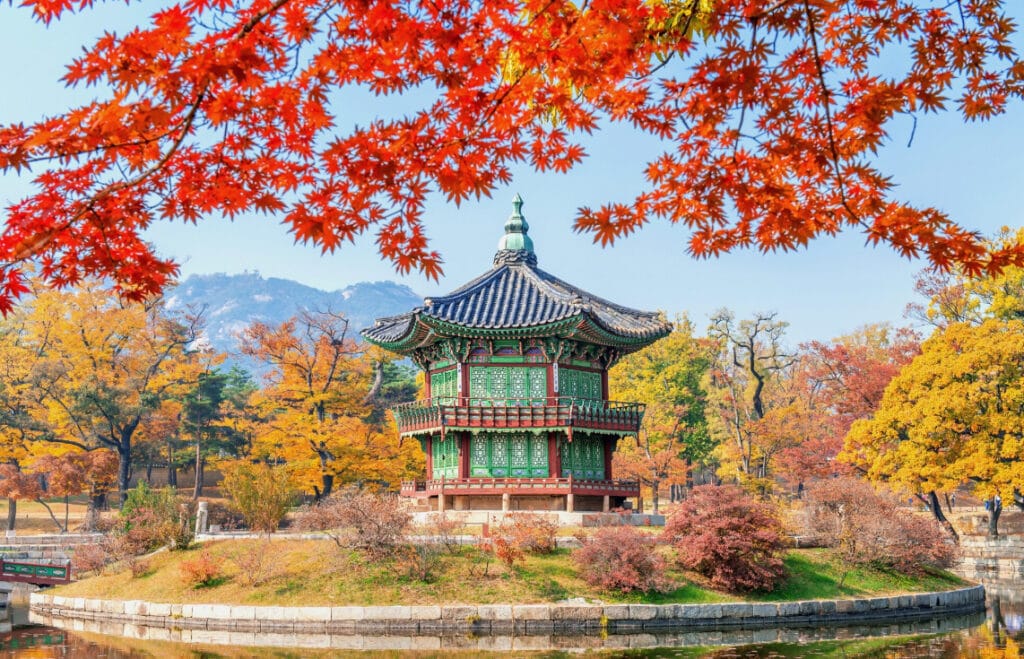
Seoul stands out because it combines efficient transport, strong neighborhood identity, and a modern urban rhythm that rewards repeat visits. It is best for food travelers, culture seekers, design-focused travelers, and anyone who likes structured cities with late-night energy. The best seasons are spring and autumn.
One key planning tip is to use local mapping and navigation tools rather than assuming your usual travel apps will work perfectly. On a short stopover in Seoul, I found that preloading the right local transport tools saved far more time than any itinerary spreadsheet.
Oaxaca, Mexico
Oaxaca stands out in 2026 because it offers one of the clearest culture-and-food combinations in the Americas. It is best for culinary travelers, craft-focused travelers, and travelers who prefer depth over speed. The best season is autumn, especially around major cultural dates, though that also brings heavier demand.
One key planning tip is to book early if your trip overlaps with November events. Oaxaca is rewarding year-round, but the city functions very differently when festival demand pushes hotels and flights toward full capacity.
Bali, Indonesia
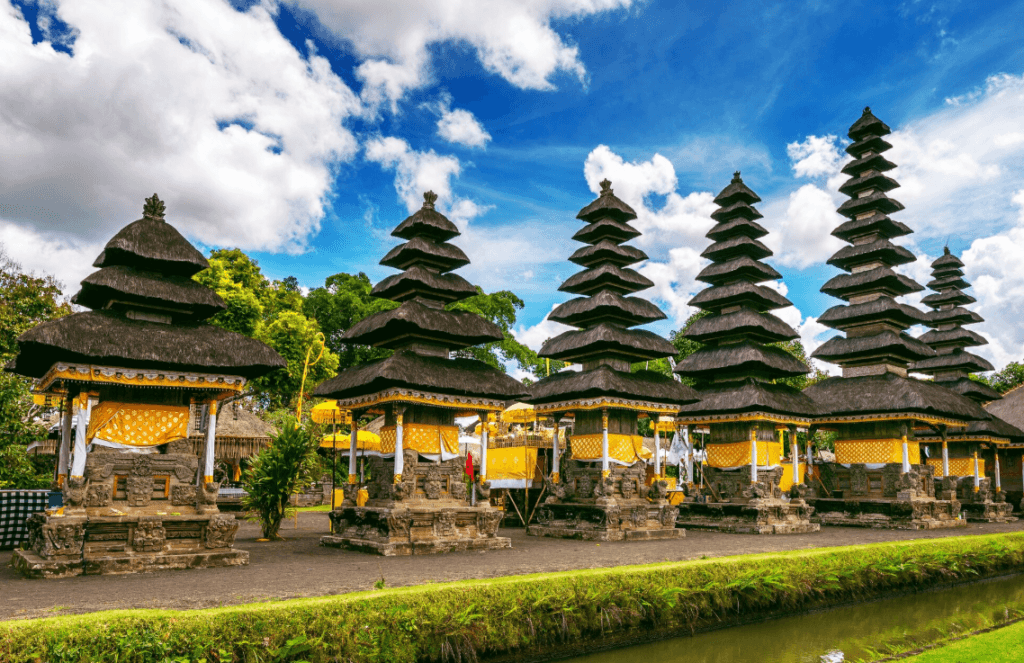
Bali stands out when approached selectively. In 2026, its value is strongest for travelers who look beyond the busiest resort zones and focus on quieter parts of the island. It is best for wellness trips, diving, slow travel, and mixed budget itineraries. The best season is the dry period from April to October.
One key planning tip is to choose your base carefully before you book. Bali can feel either restorative or exhausting depending on where you stay and how much road time you create for yourself.
Oulu, Finland
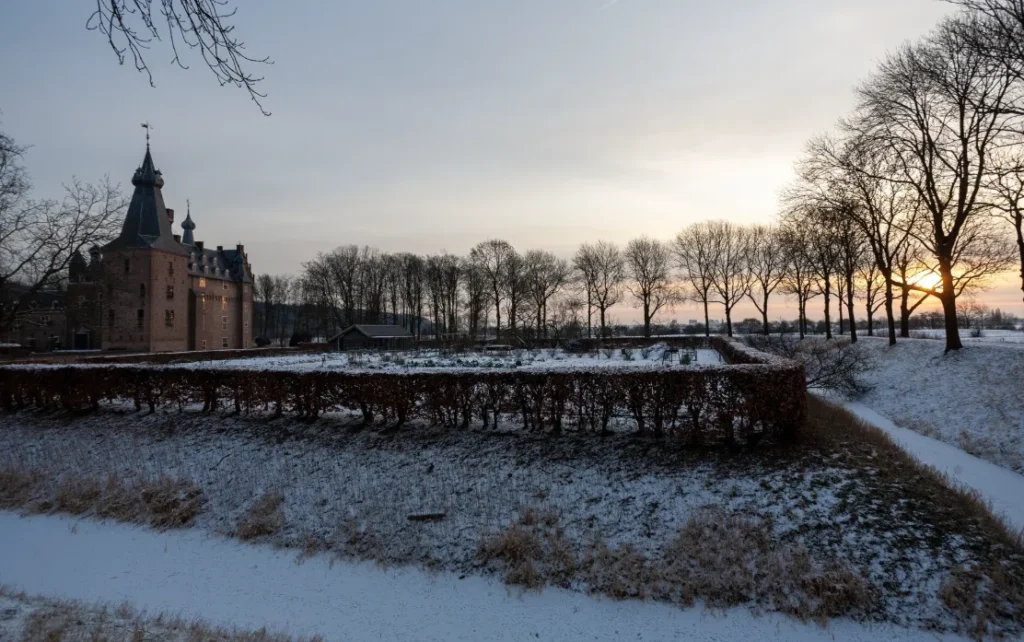
Oulu stands out because its role as a 2026 European Capital of Culture gives travelers a timely reason to look beyond the usual Nordic city circuit. It is best for travelers interested in contemporary culture, winter landscapes, and under-the-radar northern Europe. The best season depends on your priorities: winter for Arctic atmosphere, summer for long daylight and easier movement.
One key planning tip is to plan around weather realities rather than idealized Nordic imagery. In northern destinations, the forecast affects the whole shape of the day more than many travelers expect. Check the Finnish Meteorological Institute before winter outings.
Tirana, Albania
Tirana stands out because Albania continues to offer one of the clearer value propositions in Europe. It is best for budget travelers, Balkan road trips, and travelers who want a more flexible, less polished European itinerary. The best seasons are May, June, and September.
One key planning tip is to keep your route simple and leave room for slower transfers. Albania is one of the more appealing cheap places to travel in Europe, but the journey often works better when you do fewer stops rather than more.
Chiang Mai, Thailand
Chiang Mai stands out for travelers who want a calmer, more manageable Thailand itinerary centered on food, temples, and slower pacing. It is best for solo travelers, long-stay travelers, and anyone planning one of the best places to travel on a budget. The best season is November through February.
One key planning tip is to avoid the smoky burning period when air quality worsens significantly. Timing matters here more than many list-style guides admit, and it can completely change the experience.
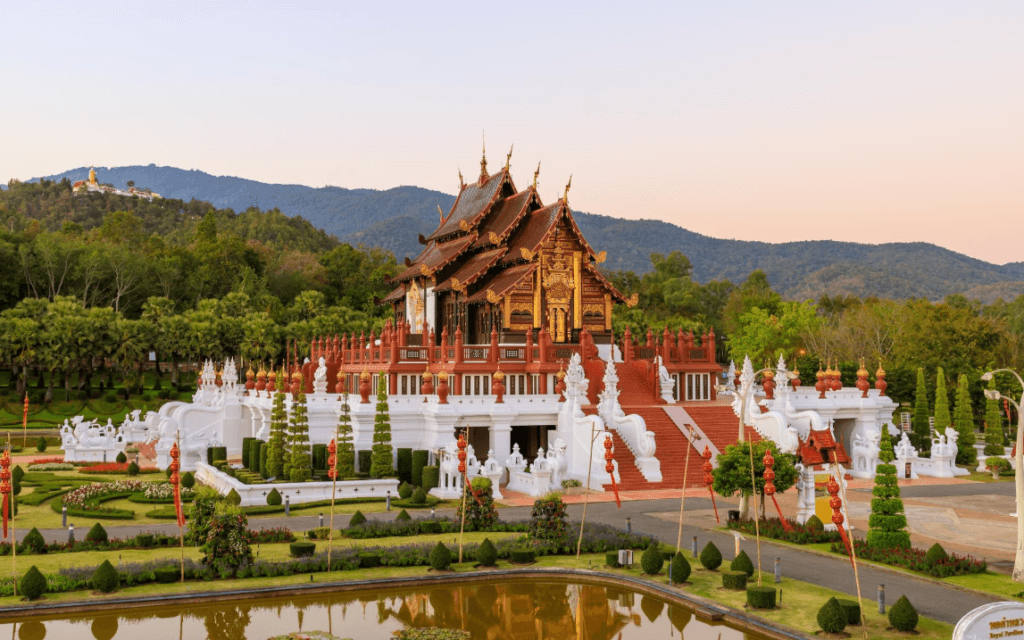
Zanzibar, Tanzania
Zanzibar stands out because it combines beach downtime with a distinct cultural setting and works particularly well as an extension after a safari. It is best for couples, honeymoon trips, and travelers combining East African coast and wildlife. The best season is June through October.
One key planning tip is to match the island to the right pace. Zanzibar is not a destination to overschedule. It works best when you give space for weather shifts, transfer times, and a slower daily rhythm.
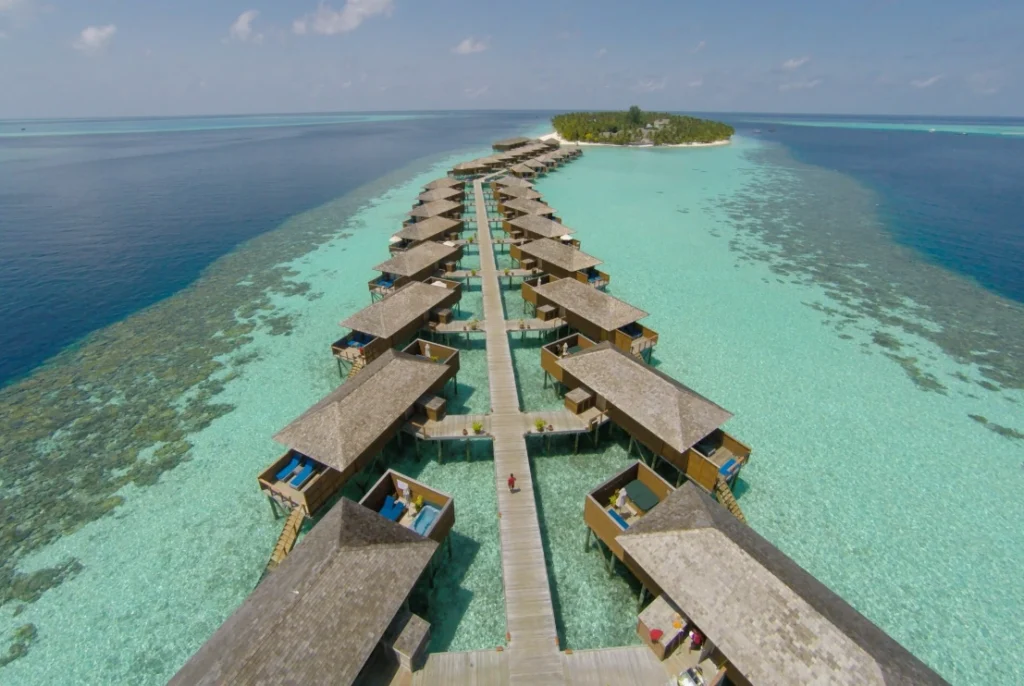
Valencia, Spain
Valencia stands out as one of the most balanced city-and-coast options in Spain. It is best for food travelers, families, and travelers who want a Spanish city break with less pressure than Madrid or Barcelona. The best season is spring, particularly March through May.
One key planning tip is to decide whether you are going for festival energy, beach weather, or city pacing, because each version of Valencia feels different. If you are exploring the best places to travel in March, Valencia deserves a close look because seasonal timing matters so much here.
Check our article about the best places to visit in Spain.
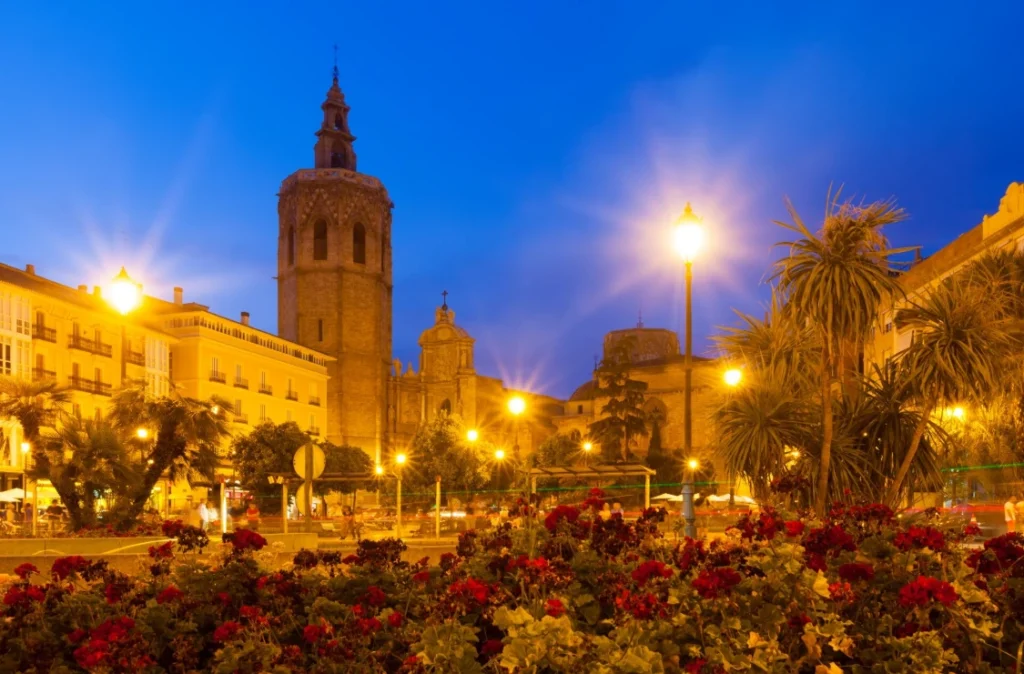
San Juan, Puerto Rico
San Juan stands out because it combines ease of access with a strong sense of place. It is best for shorter trips, Caribbean culture, and travelers who want city history plus nearby nature. The best season is late spring, after peak winter demand and before the more volatile late-summer weather period.
One key planning tip is to combine Old San Juan with at least one day beyond the historic core. The city works better when it is part of a wider Puerto Rico plan rather than the entire trip.
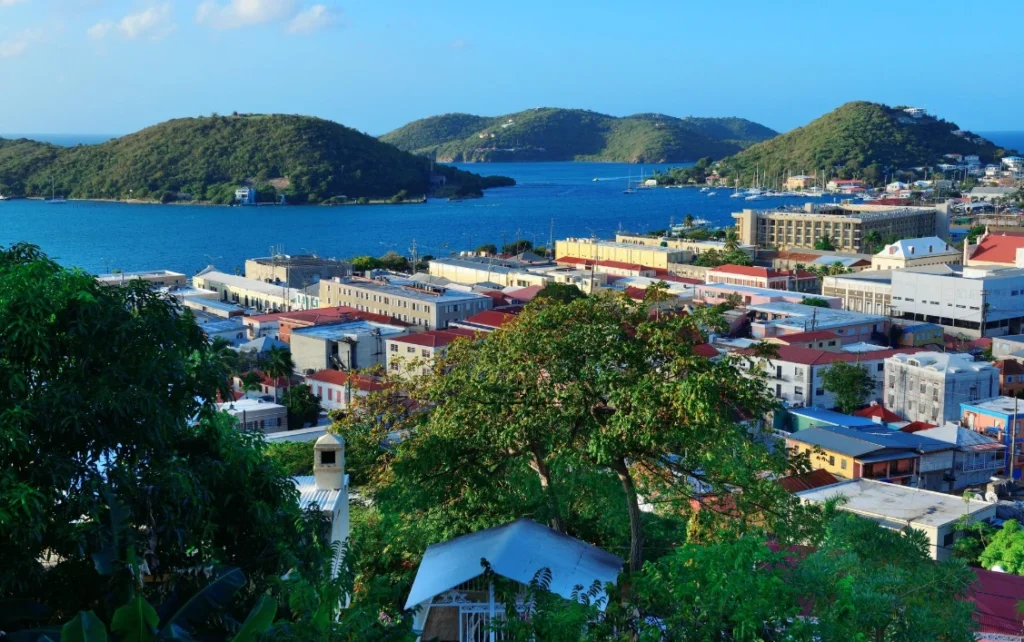
Pokhara, Nepal
Pokhara stands out because it offers a softer landing into Himalayan travel than many first-time visitors expect. It is best for trekkers, budget travelers, and travelers who want mountain scenery without constant urban intensity. The best seasons are October and November, with spring also working well.
One key planning tip is to secure the right trekking documentation and not assume you can sort every permit informally at the last minute. Nepal rewards flexibility, but big planning items still need structure through the official Nepal Tourism Board channels.
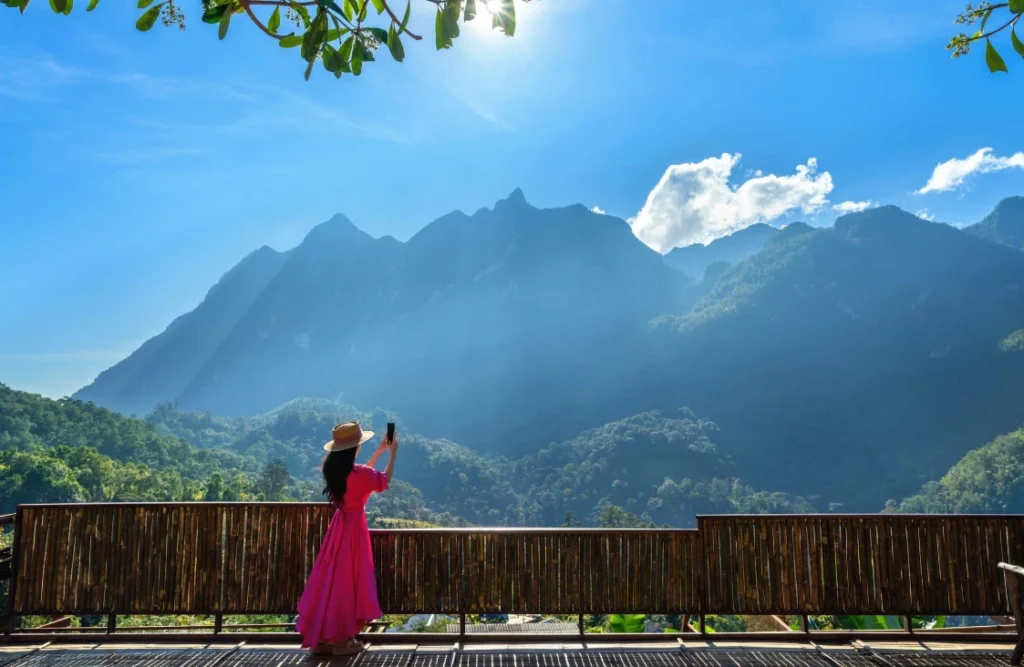
Reykjavik, Iceland
Reykjavik stands out because it remains one of the most practical bases for a short, high-impact trip built around landscapes rather than city sightseeing. It is best for road trips, geology-focused travel, and winter light seekers. The best season depends on your goal: summer for maximum access, winter for snow landscapes and aurora potential.
One key planning tip is to check official Iceland weather and road guidance daily when conditions are unsettled. In Iceland, operational reality matters more than the ideal itinerary you built at home.
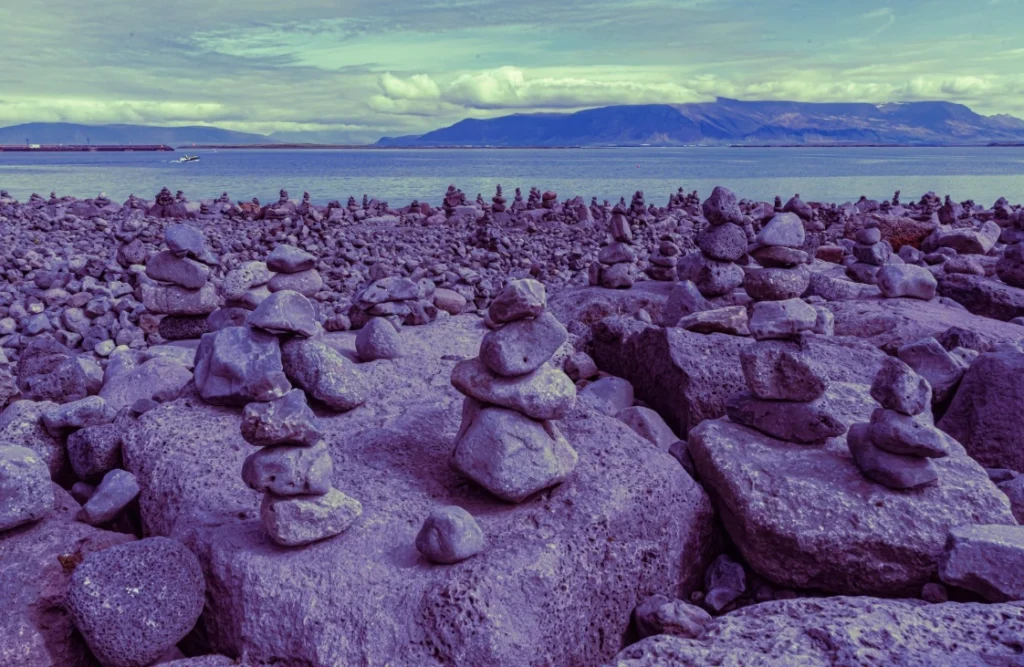
Kyoto, Japan
Kyoto stands out in 2026 because it offers a different side of Japan’s strong travel value story: less about scale and speed, more about texture, timing, and cultural depth. It is best for first-time Japan travelers, photographers, and travelers building a slower itinerary around tradition. The best seasons are spring and autumn.
One key planning tip is to start early. When I last traveled through Kyoto, the difference between arriving at a major temple at 7:30 a.m. and 10:00 a.m. was the difference between a calm visit and a crowded one.
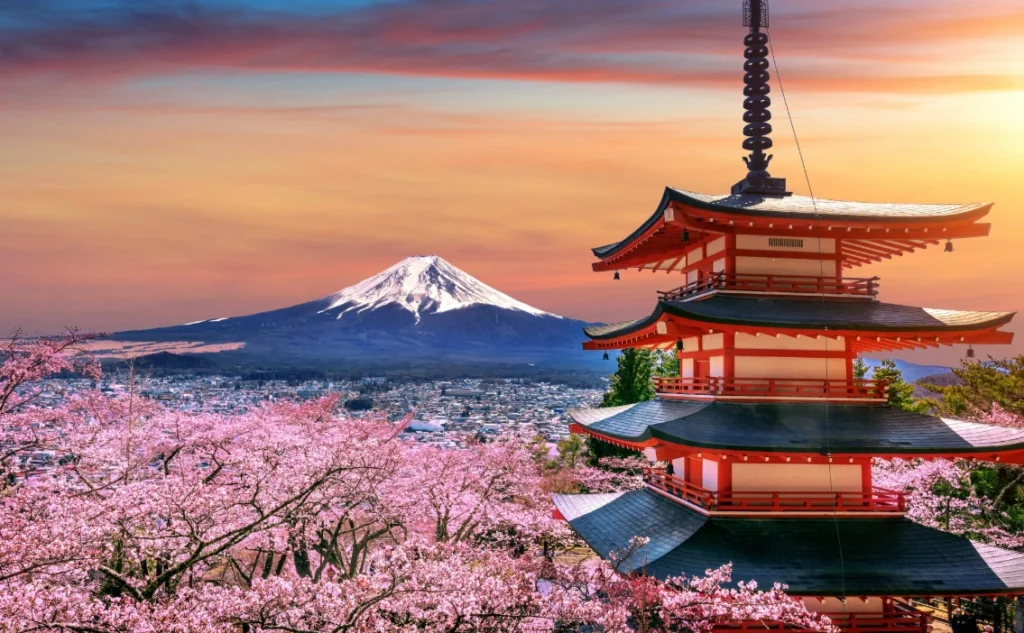
Best Places to Travel by Month
Monthly timing often matters as much as the destination itself. If you want where to go in 2026 to feel less random and more strategic, choosing by season is one of the simplest ways to narrow your options.
January — Costa Rica is a strong pick because dry-season conditions make wildlife areas, roads, and beach-to-rainforest routes easier to handle. It is especially strong for families and nature-focused trips.
February — Hokkaido is one of the strongest winter picks of the year, especially for snow travel, ski trips, and cold-weather city breaks anchored by Sapporo.
March — Spain becomes particularly appealing in early spring. Valencia is a strong fit for manageable weather, local energy, and fewer summer pressures.
April — Kyoto is one of the more iconic spring choices, though timing is everything. Cherry blossom periods vary slightly year to year, so flexibility improves your odds.
May — Cusco and the Peruvian Andes become especially attractive as drier conditions begin to stabilize trekking routes and shoulder-season logistics still feel relatively manageable.
June — For polar light, expedition travel, and dramatic seasonal contrast, Svalbard is a standout pick. This is when continuous daylight reshapes the experience entirely.
More details in our guide .
July — Banff is a strong candidate for travelers who want full lake access, long hiking days, and classic summer mountain conditions. The trade-off is high demand, which makes advance planning essential.
More details in our guide.
August — Kenya’s Maasai Mara is a strong pick for travelers prioritizing wildlife movement, safari structure, and dry-season conditions.
September — Munich works well for event-driven city travel, though prices and accommodation pressure rise around Oktoberfest.
October — New England is a compelling choice if your priority is autumn color, scenic drives, and a classic seasonal road-trip atmosphere.
November — Oaxaca becomes one of the year’s most compelling cultural trips, especially for travelers who prioritize food, craft, and public tradition over beach travel.
December — Vienna is a reliable pick for classic winter city travel and a festive atmosphere without building the whole trip around snow sports.
Best Places to Travel by Traveler Type
The smartest way to use a guide like this is to filter by travel style, not just destination prestige. The ideal vacation spots depend on who is going, how long the trip is, and what trade-offs you are willing to make.
Best Places to Travel on a Budget
If affordability is your main filter, Vietnam, Albania, and northern Thailand remain among the strongest cheap places to travel. They work well because lower daily costs are paired with genuinely rewarding food, scenery, and movement rather than just “cheapness” alone.
Best Places to Travel for Families
Costa Rica and Japan remain two of the more reliable options for family travel because both combine structure, safety, and a high chance of a smooth trip.
Read topic related guide.
Best Travel Destinations for Adventure
New Zealand and Nepal stand out for active travelers because they both support adventure with a clear tourism framework. One is more polished and expensive; the other is more flexible and budget-friendly. Both reward travelers who leave room for weather delays and recovery.
Best Countries to Visit for Culture
Italy, Japan, Mexico, and Uzbekistan all make strong cases here, but they deliver culture differently. Some travelers want museums and monuments; others want ritual, food, street life, and a stronger sense of daily place. Matching the cultural style to your interests matters more than chasing a universal list.
Milestone and Special-Occasion Trips
If this is a major anniversary, long-awaited honeymoon, or once-in-a-decade trip, Tanzania, New Zealand, and Antarctica are often stronger fits than a faster, city-hopping itinerary. These trips usually benefit from depth, not speed.
Budget Planning Advice
A $5,000 budget is enough for a meaningful international trip, but what it buys depends entirely on where you go and how you travel. In Japan, Italy, or Canada, it may support a solid two-week trip for one person with mid-range hotels, economy flights, and planned sightseeing. In Southeast Asia or parts of Latin America, the same budget can stretch much further.
The smartest budget move is not always choosing the cheapest destination. It is choosing a place where transport, timing, and daily costs align with the trip you want. Travelers often underestimate how much value they lose through bad seasonality, rushed routing, or late booking.
If your budget is fixed, set your destination second, not first. Start with trip length, season, and flight cost tolerance. Then shortlist the destinations that actually fit.
Common Mistakes to Avoid
The most common travel mistake in 2026 is assuming that popular destinations still reward spontaneity. In many places, they do not. Timed entry systems, limited park access, transport reservations, and crowd-control rules are now a normal part of trip planning.
Another mistake is trying to do too much too fast. A trip that covers fewer places often feels richer, more local, and less fragile. I have made this mistake myself on multi-stop itineraries, and the result is usually the same: more transit, less memory.
Finally, do not choose a destination based only on visuals. Many places look perfect online at exactly the wrong time of year. Always check climate patterns, route logistics, and local operating seasons before committing.
Conclusion
The best places to travel in 2026 are not simply the most famous ones. They are the places that align with your season, budget, trip style, and tolerance for logistics. Japan, Italy, Costa Rica, New Zealand, and several of the other top destinations in this guide stand out because they offer a clear reason to go now and a realistic path to a well-planned trip.
If you use one filter first, make it timing. The right destination in the wrong month can feel disappointing. The right destination in the right season, with the right planning, is what turns a good idea into a genuinely memorable trip.
FAQ
What are the best places to travel right now? Japan, Costa Rica, and Italy are among the strongest current picks because they combine clear trip value with strong tourism infrastructure, distinct experiences, and timely reasons to visit in 2026.
How far in advance should I book international flights? For many international trips, the practical booking window is often around 60 to 90 days in advance, though peak-season routes and school-holiday dates may require earlier planning.
What are the best places to travel on a budget? Vietnam, Albania, and northern Thailand are among the best because they combine lower daily costs with strong food, scenery, and manageable independent travel.
Do I need to book tourist attractions in advance? Yes, often you do. Many major sites now rely on timed-entry systems or capped access, especially in places such as Rome, Machu Picchu, and popular national parks.
How do I avoid extreme crowds when traveling? Travel in shoulder season, reserve key attractions early, stay in secondary neighborhoods or nearby cities, and avoid building your entire route around the single busiest landmark windows.