Spain Best Travel Destinations – The Ultimate 2026 Guide
Spain is one of the world’s most visited countries, welcoming a record-breaking 94 million international tourists in 2024 — a 10.1% increase from 2023, according to the Spanish Ministry of Tourism. The country’s spain best travel destinations span sun-drenched coastlines, medieval city centers, volcanic island landscapes, and world-class culinary scenes, offering something genuinely different for every type of traveler.
Whether you’re drawn to Antoni Gaudí’s surrealist architecture in Barcelona (Catalonia), the Moorish grandeur of the Alhambra palace complex in Granada (Andalusia), or the pintxos bars of San Sebastián (Basque Country), Spain rewards every curiosity with depth, flavor, and beauty. International tourists spent an estimated €126.3 billion in Spain in 2024 alone, reflecting just how compelling these destinations have become. This guide covers each major destination, answers the questions travelers ask most, and gives you everything needed to plan an unforgettable trip.
Table of Contents
What is the nicest part of Spain to visit ?
Andalusia is widely considered the nicest part of Spain to visit, offering an unmatched combination of Moorish architecture, flamenco culture, and year-round sunshine. Cities like Seville, Granada, and Córdoba sit within this southern region, each packed with UNESCO World Heritage Sites and vibrant street life that captures the soul of traditional Spain.
Andalusia (southern Spain) is home to some of the country’s most iconic landmarks. The Alhambra palace complex in Granada — a UNESCO World Heritage Site — draws nearly 2.8 million visitors per year and ranks among the most visited monuments in Europe. Seville, the Andalusian capital, received over 3 million tourists in 2024 thanks to its Real Alcázar palace, the Gothic Cathedral with its Giralda tower, and the electrifying energy of April Fair. Córdoba’s Mezquita (Mosque-Cathedral), another UNESCO-listed site, stands as one of the most extraordinary examples of Moorish architecture anywhere in the world.
Beyond its cities, Andalusia offers dramatic natural landscapes — the Sierra Nevada mountain range provides skiing in winter while coastal towns like Nerja and Marbella on the Costa del Sol deliver beach relaxation in summer. The region’s culinary identity is equally compelling: tapas culture was born here, and Granada remains one of the few cities in Spain where tapas are still served free with every drink. For travelers seeking an authentic, emotionally rich Spain travel experience, Andalusia consistently tops every list.
Catalonia (northeastern Spain) offers a strong alternative, anchored by Barcelona. With approximately 14.6 million visitors estimated in 2024, Barcelona leads Spain as the single most visited city destination, driven by Gaudí masterpieces including La Sagrada Família and Park Güell, a Gothic Quarter dating to Roman times, and easy access to Mediterranean beaches. Catalonia also contains medieval towns like Girona (a Game of Thrones filming location) and the volcanic Garrotxa Natural Park.
What is the 97 rule in Spain ?
The “97 rule” in Spain refers to a financial entry requirement under the Schengen Borders Code, which allows Spanish border authorities to ask non-EU travelers — including British tourists post-Brexit — to prove they have sufficient funds for their stay. The figure commonly cited is around £97 per day, though the official Spanish requirement is now set at €118 (approximately £102) per day for 2025.
This requirement stems from the Schengen Borders Code (Regulation (EU) 2016/399), which applies to all non-EU nationals entering the Schengen Area. For stays under 9 days, travelers must demonstrate at least €118 per person per day. For stays of 9 days or longer, a flat minimum of €1,065 is required, regardless of trip length. Acceptable forms of proof include cash, traveler’s cheques, a credit card with a corresponding bank statement, or a confirmed hotel booking paired with financial documentation.
In practice, most tourists are never asked to show proof of funds at the border. However, travelers flying into Spain from outside the EU — particularly British nationals since Brexit — should carry documentation as a precaution. A printed hotel reservation, a return flight ticket, and a recent bank statement covering the stay amount are the simplest way to satisfy this requirement if challenged.
It’s important to distinguish this from tourist bans or spending minimums. Spain has not banned tourists, and the €118 figure is a border entry standard, not a daily spending mandate. Travelers who book through legitimate accommodation providers and carry standard travel documentation will almost never encounter issues. Awareness of this rule simply prevents unnecessary complications at immigration for first-time visitors from non-EU countries.
Where do most Americans go in Spain ?
Most Americans visiting Spain concentrate on three major cities: Barcelona, Madrid, and Seville — in that order. Barcelona’s internationally recognized landmarks, English-friendly environment, and direct transatlantic flight connections make it the top entry point for U.S. travelers. Madrid and Seville follow for their cultural richness and central Andalusian positioning.
Barcelona consistently attracts the largest share of American visitors to Spain. The city’s global reputation — built on Antoni Gaudí’s Sagrada Família basilica, the lively Las Ramblas boulevard, and the beachside Barceloneta neighborhood — makes it a natural starting point. The Gothic Quarter (Barri Gòtic) offers narrow medieval lanes lined with tapas bars, while the Eixample district showcases some of the finest Modernista architecture in Europe. American travelers frequently pair Barcelona with a coastal day trip to Sitges or a short train ride to Montserrat monastery.
Madrid, Spain’s capital, is the second major stop on most American itineraries. The city drew nearly 10.9 million visitors in 2024, offering the Prado Museum (one of the world’s great art collections), the Royal Palace of Madrid, and a food scene anchored by the Mercado de San Miguel. Madrid’s Retiro Park and the trendy Malasaña neighborhood round out a city that rewards slow exploration on foot. Direct flights from New York, Miami, and Chicago make Madrid highly accessible for U.S. visitors.
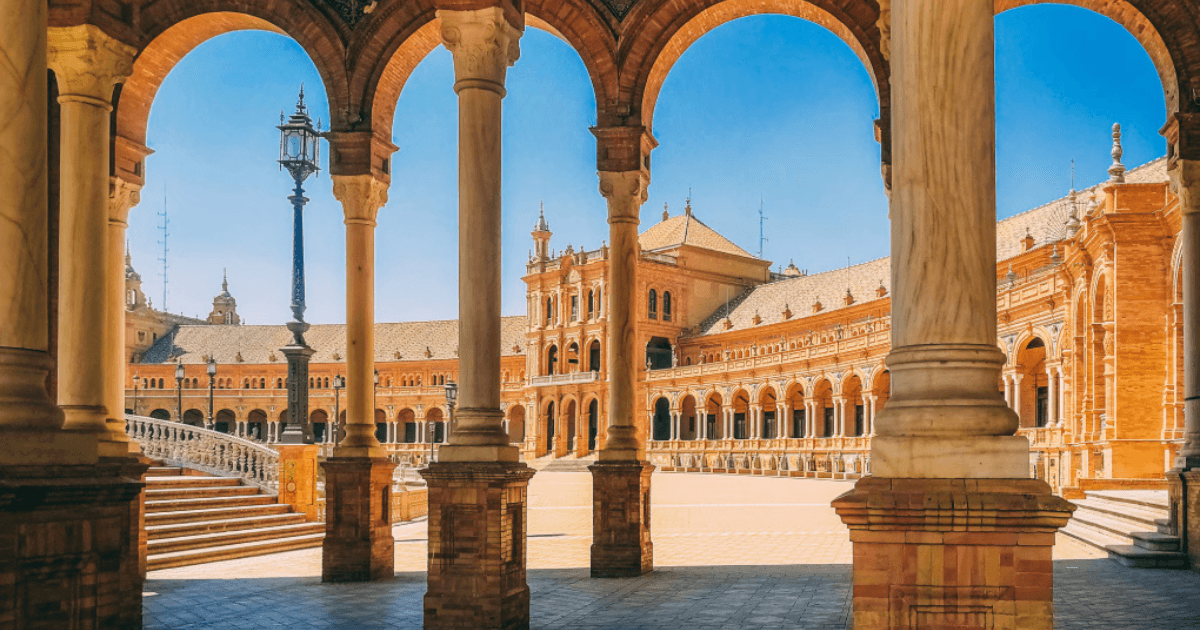
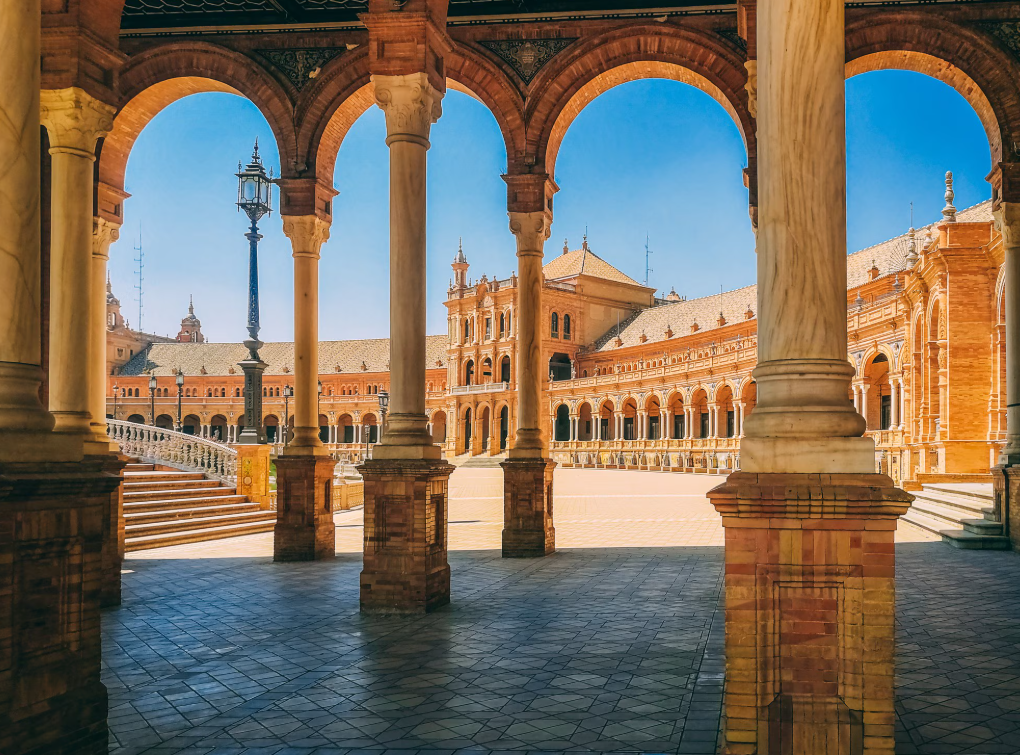
Seville completes what travel agents commonly call the “Golden Triangle” of Spanish tourism for Americans. Its flamenco tablaos, the Plaza de España (built for the 1929 Ibero-American Exposition), and the Real Alcázar palace — used as a filming location for Game of Thrones — create an immersive, visually spectacular experience. Many American travelers use Seville as a base to day-trip to Córdoba (the Mezquita) and Granada (the Alhambra), maximizing their Andalusia travel exposure in one efficient loop.
What are the top 5 cities to visit in Spain ?
The top 5 cities to visit in Spain are Barcelona, Madrid, Seville, Granada, and San Sebastián. These cities collectively cover Spain’s defining cultural pillars: Gaudí-era Modernisme, imperial grandeur, Andalusian tradition, Moorish heritage, and Basque culinary excellence — making them the essential backbone of any Spain travel guide.
1. Barcelona – Catalonia
With an estimated 14.6 million visitors in 2024, Barcelona leads Spain’s tourism rankings. The Sagrada Família basilica, under continuous construction since 1882, remains the country’s most-visited monument. Park Güell offers panoramic city views through Gaudí’s mosaic-tiled terraces, while the Picasso Museum documents the early career of Pablo Picasso (Málaga-born artist). Barcelona’s proximity to Mediterranean beaches adds a leisure dimension that few European capitals can match.
2. Madrid – Community of Madrid
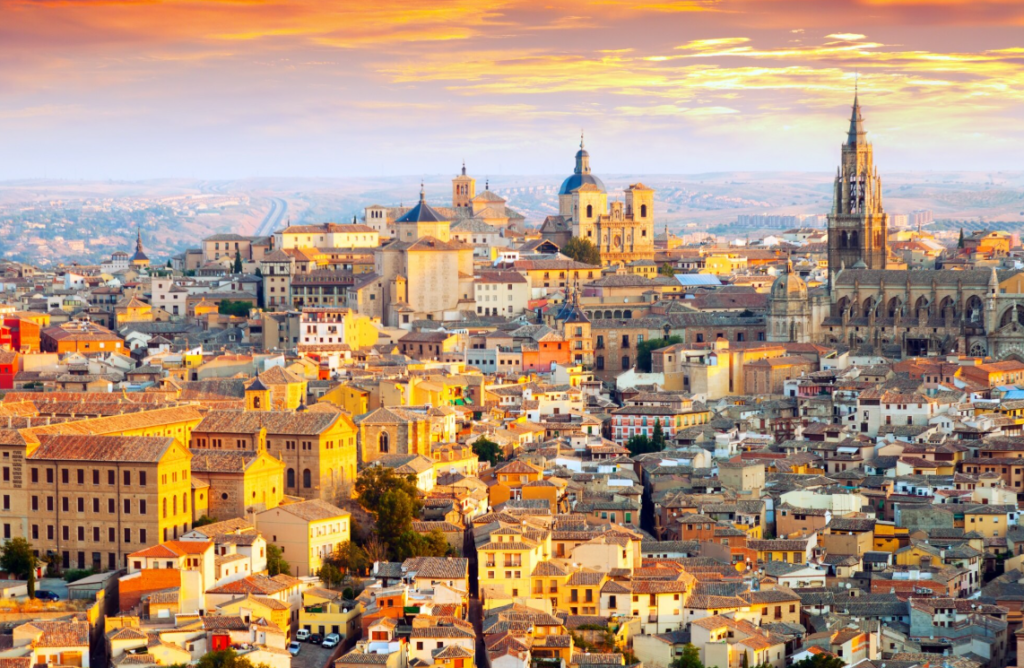
Spain’s capital city anchors a cultural triangle formed by the Prado Museum, the Thyssen-Bornemisza Museum, and the Reina Sofía Museum — housing Picasso’s Guernica. Madrid’s street food scene, anchored by bocadillo de calamares (squid sandwiches) and churros con chocolate, gives the city a distinct gastronomic identity separate from the coastal regions. Night life in Madrid begins late and ends at dawn, reflecting a genuinely unique urban rhythm.
3. Seville – Andalusia
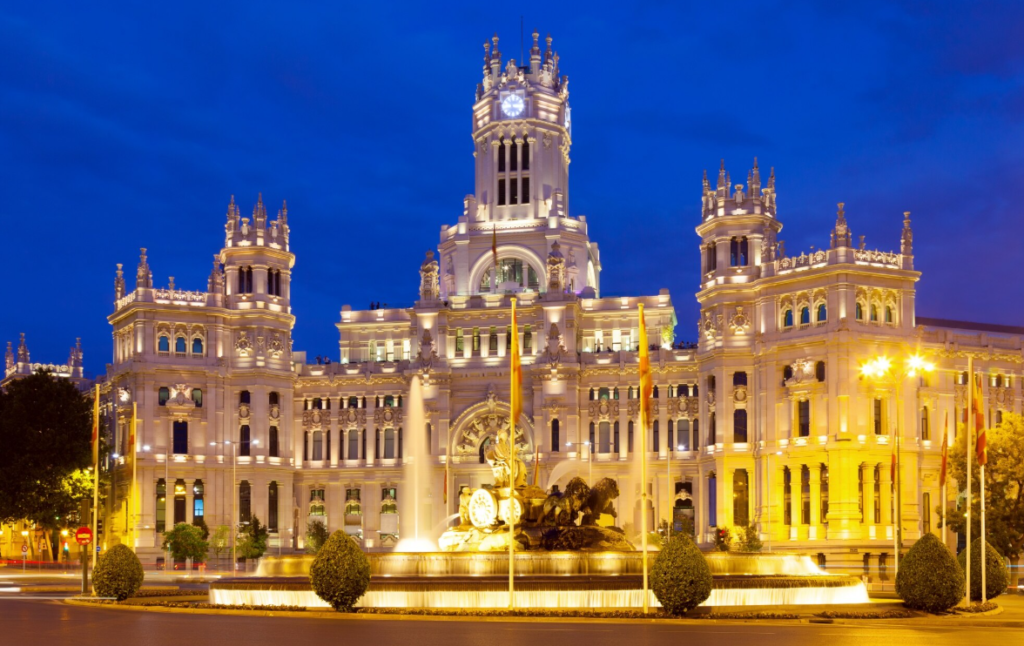
Seville operates as the cultural heart of Andalusia. Its Cathedral is the largest Gothic cathedral in the world by area, and the adjoining Giralda tower — originally a 12th-century minaret — offers views across the city. Flamenco was born in Andalusia, and Seville’s tablaos (performance venues) deliver some of the most authentic live performances in Spain.
4. Granada – Andalusia
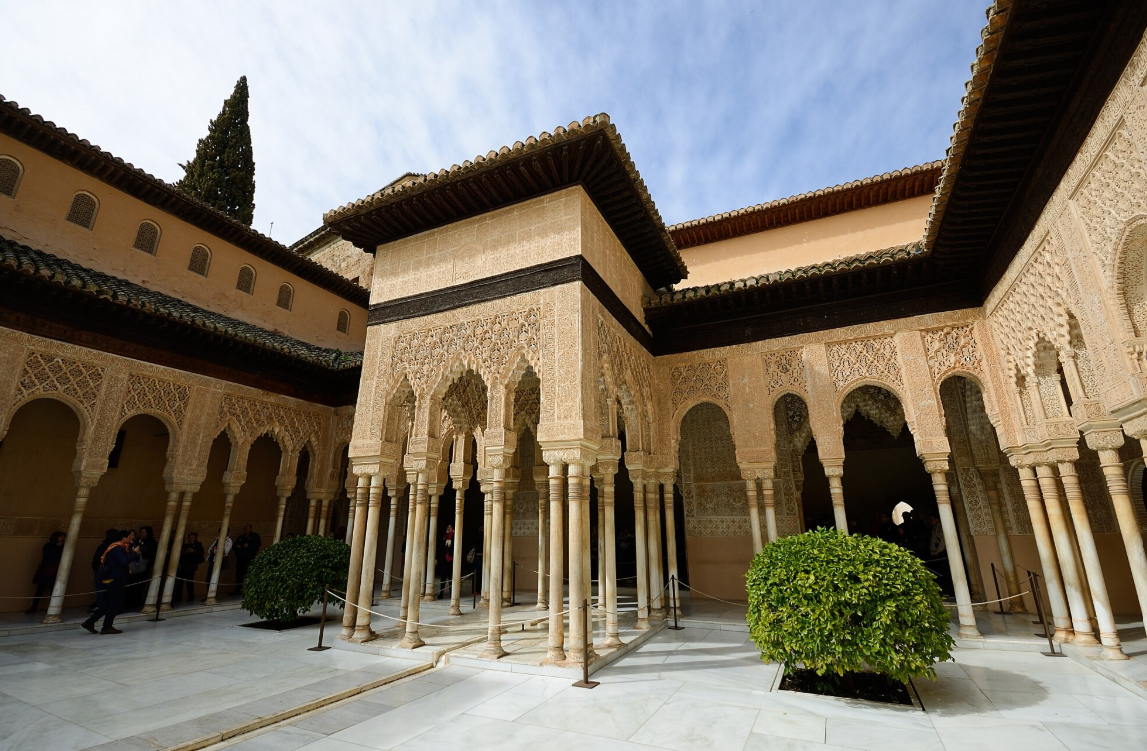
The Alhambra palace complex, a UNESCO World Heritage Site perched above Granada, stands as the finest surviving example of Moorish architecture in the Western world. The Nasrid Palaces within the Alhambra feature intricate geometric tilework, carved stucco walls, and reflective water gardens that have inspired architects for centuries. Granada’s free tapas culture and its Albaicín (historic Moorish quarter) make it essential for any visitor to Andalusia.
5. San Sebastián / Donostia – Basque Country
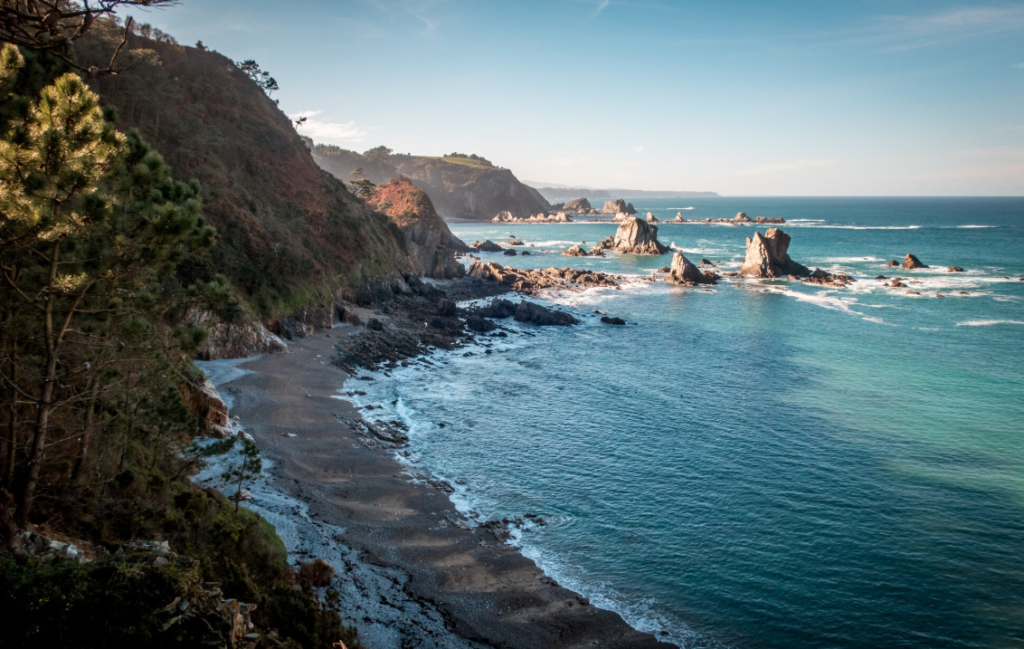
San Sebastián holds more Michelin stars per capita than almost any city on Earth. The pintxos bars of the Old Town (Parte Vieja) represent the apex of Basque culinary culture, while La Concha beach — a crescent-shaped bay framed by two hills — is widely regarded as the most beautiful urban beach in Europe. The city blends Belle Époque architecture with a fierce regional identity and a world-class food scene.
For more blogs you can visit our writing about best destinations for 2026
Spain Best Travel Destinations: Regions & Coasts You Can’t Miss
Spain best travel destinations extend well beyond its famous cities. The Balearic Islands, Canary Islands, Costa del Sol, and the Basque coastline each offer distinct landscapes and experiences that no city-focused itinerary can replicate. Spain’s 8,000 kilometers of coastline make it one of Europe’s most rewarding destinations for beach, water sports, and coastal culture.
The Balearic Islands (Mediterranean Sea) include Mallorca, Menorca, Ibiza, and Formentera. Mallorca offers dramatic limestone cliffs at Cap de Formentor, the medieval hilltop village of Valldemossa, and the capital Palma de Mallorca — which attracted 4.8 million visitors in 2024. Ibiza is globally known for its nightclub scene, but its UNESCO-listed Old Town (Dalt Vila) and crystalline coves like Cala Conta offer a quieter, more scenic dimension. Menorca provides the least commercialized experience in the archipelago, with prehistoric talayotic stone monuments and pristine beaches.
The Canary Islands (Atlantic Ocean, off the northwest coast of Africa) include Tenerife, Gran Canaria, Lanzarote, and Fuerteventura. Tenerife’s Teide National Park — home to Mount Teide, Spain’s highest peak at 3,718 meters — is a UNESCO World Heritage Site and one of the most-visited national parks in the world. The volcanic landscape of Lanzarote, shaped by 18th-century eruptions, inspired César Manrique’s iconic architectural interventions, which blend built structures seamlessly with the raw volcanic terrain. The Canary Islands enjoy year-round mild temperatures, making them particularly popular for winter sun travel from northern Europe.
The Costa del Sol (Andalusia) stretches along Spain’s southern Mediterranean coast from Almería to Gibraltar. Towns like Nerja (with its famous balcony viewpoint over the sea), Marbella (home to the glamorous Puerto Banús marina), and Ronda (perched dramatically above the El Tajo gorge) each deliver distinct experiences within a compact geographic area. Cultural tourism in Spain grew 32% in 2024 compared to previous years, indicating that coastal visitors are increasingly combining beach stays with inland cultural excursions.
Best Places to Visit in Spain for Food & Culture
The best places to visit in Spain for food and culture are San Sebastián, Valencia, and Seville. San Sebastián leads with the highest concentration of Michelin-starred restaurants per capita, Valencia claims the birthplace of paella, and Seville anchors Andalusian tapas tradition. Spain’s culinary tourism surged 28% between 2019 and 2024, according to the Spanish Ministry of Tourism.
San Sebastián’s Parte Vieja district contains more than 30 bars per square kilometer serving pintxos — small Basque snacks placed on bread — representing a food culture distinct from tapas elsewhere in Spain. The city hosts the San Sebastián International Film Festival each September and the annual Semana Grande festival in August, layering cultural programming onto an already exceptional culinary calendar. The Basque Country as a whole accounts for a disproportionate share of Spain’s Michelin stars, with restaurants like Arzak and Mugaritz operating at the cutting edge of global gastronomy.
Valencia’s culinary identity centers on paella valenciana — the original rice dish cooked over wood fire with chicken, rabbit, and green beans, not seafood — served in the Albufera Natural Park region south of the city. The city also hosts Las Fallas, a UNESCO-listed festival each March in which enormous satirical sculptures (fallas) are built across city neighborhoods and ceremonially burned on the final night, producing one of the most spectacular public art events in Europe. Valencia’s City of Arts and Sciences complex, designed by architect Santiago Calatrava, is itself one of the most photographed modern architectural complexes in the world.
Madrid’s food scene is anchored by the Mercado de San Miguel — a 19th-century iron-and-glass market near Plaza Mayor — and the historic Sobrino de Botín restaurant, recognized by the Guinness World Records as the world’s oldest restaurant, operating continuously since 1725. The city’s Malasaña and Chueca neighborhoods have evolved into creative dining hubs, while the upscale Salamanca district caters to high-end Spanish cuisine. Madrid’s restaurants reflect every regional tradition in Spain, making the capital an unexpected but excellent base for Spain culinary tourism.
Best Time to Visit Spain’s Top Cities
The best time to visit Spain varies by region: Andalusia is ideal in spring (March–May) and autumn (September–October) when temperatures are mild and crowds are manageable. Barcelona and the Mediterranean coast peak in summer (June–August), while Madrid offers its most pleasant weather in spring and early autumn. The Canary Islands are welcoming year-round.
Spring is universally the recommended starting point for first-time visitors to Spain. Temperatures in Seville and Granada range from 18°C to 25°C in April and May — comfortable for walking and sightseeing without the 40°C+ summer heat that makes Andalusia challenging in July and August. Seville’s April Fair (Feria de Abril) and Córdoba’s Patio Festival (May) fall within this window, adding cultural richness to optimal weather conditions.
Summer brings peak tourism to Barcelona and the Balearic and Canary Islands. July and August see Barcelona receive its largest monthly visitor volumes, making early booking essential for accommodation and for timed-entry monuments like the Sagrada Família. The northern Basque Country and Galicia (northwestern Spain) offer a cooler alternative during summer, with average July temperatures around 22°C and lush green landscapes that contrast sharply with the arid south.
Winter travel to Spain is underrated. Madrid’s Christmas markets and New Year’s Eve at Puerta del Sol are genuine local events rather than tourist constructs. Seville and Málaga in December and January experience daytime temperatures of 15°C–18°C — warmer than most of northern Europe — with significantly lower hotel rates and shorter queues at major monuments. The Canary Islands (Tenerife, Gran Canaria) maintain 22°C–24°C throughout winter, making them ideal for sun-seeking European travelers from November through February.
How to Plan Your Spain Travel Guide Itinerary
A well-structured Spain travel guide itinerary groups geographically connected destinations to minimize travel time. A 10-day trip typically covers Madrid (3 nights), Andalusia — Seville, Granada, and Córdoba (4 nights), and Barcelona (3 nights), using Spain’s high-speed AVE train network to connect cities efficiently.
Spain’s high-speed rail network (AVE) operated by Renfe connects Madrid to Seville in approximately 2.5 hours, Madrid to Barcelona in 2.5 hours, and Madrid to Valencia in 1.5 hours. This makes rail the fastest, most scenic, and often most affordable intercity transport option. [EXTERNAL LINK: Spain rail passes and routes → Renfe official website] Booking AVE tickets 30–60 days in advance consistently yields the best fares, sometimes below €30 for a Madrid–Seville journey.
Budget planning should account for Spain’s tipping culture (optional but appreciated at 5–10%), the cost of timed-entry monuments (the Alhambra tickets sell out weeks in advance and must be booked directly through the official Patronato de la Alhambra website), and regional price differences — Barcelona and Madrid run approximately 20–30% more expensive for accommodation than Seville or Granada. The average international tourist in Spain spent €1,340 per trip in 2024, though independent travelers who book accommodation and transport early can manage significant itineraries for considerably less.
Day trips substantially extend the value of any base city. From Madrid: Toledo (45 min by AVE), Segovia (30 min by AVE), and Salamanca (1.5 hrs by bus) are all UNESCO World Heritage cities reachable in a single day. From Seville: Córdoba (45 min by AVE) and Cádiz (90 min by train) offer supplemental Andalusian depth. From Barcelona: Montserrat (1 hr by train), Sitges (40 min by train), and Tarragona’s Roman ruins (1 hr by train) are all viable half-day excursions.
Spain Destination Quick Comparison
| City | Region | Best For | Peak Season | Avg. Daily Cost (€) | Must-See |
|---|---|---|---|---|---|
| Barcelona | Catalonia | Architecture, beaches | Jun–Aug | €120–180 | Sagrada Família, Park Güell |
| Madrid | Community of Madrid | Museums, food, nightlife | Apr–Jun, Sep–Oct | €110–160 | Prado Museum, Retiro Park |
| Seville | Andalusia | Flamenco, history | Mar–May, Sep–Oct | €80–130 | Real Alcázar, Giralda |
| Granada | Andalusia | Moorish architecture, tapas | Apr–Jun | €70–110 | Alhambra, Albaicín |
| San Sebastián | Basque Country | Culinary tourism, beaches | Jun–Sep | €130–200 | Pintxos bars, La Concha |
| Valencia | Valencia | Paella, modern architecture | Mar–May | €80–130 | City of Arts & Sciences |
| Córdoba | Andalusia | UNESCO heritage, day trips | Mar–May | €65–100 | Mezquita, Jewish Quarter |
| Tenerife | Canary Islands | Year-round sun, nature | Nov–Mar | €90–140 | Teide National Park |
| Mallorca | Balearic Islands | Coastal scenery, resorts | May–Jun, Sep | €100–160 | Cap de Formentor, Palma |
Conclusion
Spain’s diversity is its greatest asset as a travel destination. Whether you prioritize Moorish architecture in Granada, Gaudí’s Modernisme in Barcelona, pintxos culture in San Sebastián, or volcanic island landscapes in Tenerife, every corner of the country delivers experiences that are genuinely difficult to replicate elsewhere. Book your Alhambra tickets well in advance, use the AVE rail network to connect regions efficiently, and plan around spring or autumn for the best combination of weather and manageable crowds. Spain rewards travelers who explore beyond the obvious — the Golden Triangle of Madrid, Seville, and Barcelona is exceptional, but the full picture is even better.
C. FAQ SECTION
Q: What is the best time to visit Spain overall?
A: Spring (March–May) and autumn (September–October) are the best times to visit Spain for most destinations. Andalusia becomes uncomfortably hot in July and August, while Barcelona and the coast peak in summer. The Canary Islands are pleasant year-round, making them ideal for winter sun travel from November through February.
Q: Do Americans need a visa to visit Spain?
A: As of 2025, U.S. citizens can visit Spain and the wider Schengen Area for up to 90 days within any 180-day period without a visa. The EU’s ETIAS (European Travel Information and Authorization System) is expected to launch in 2025–2026 and will require Americans to obtain pre-authorization online before traveling to Spain.
Q: What is the 97 rule in Spain?
A: The “97 rule” refers to Spain’s requirement — rooted in the Schengen Borders Code — that non-EU travelers demonstrate sufficient funds for their stay. For 2025, the official Spanish figure is €118 per person per day for stays under 9 days, or a flat €1,065 for trips of 9 days or more. Most travelers are never asked to prove this, but carrying a bank statement and hotel booking is recommended.
Q: What are the top 5 cities to visit in Spain?
A: The top 5 cities to visit in Spain are Barcelona (architecture and beaches), Madrid (museums and gastronomy), Seville (flamenco and Moorish history), Granada (the Alhambra and free tapas), and San Sebastián (world-class pintxos and La Concha beach). Together, these cities represent the essential cultural breadth of Spain’s best travel destinations.
Q: What is the nicest part of Spain to visit?
A: Andalusia is widely considered the nicest part of Spain to visit, offering the Alhambra in Granada, the Real Alcázar in Seville, and the Mezquita in Córdoba — three UNESCO World Heritage Sites within a single region. The combination of Moorish architecture, flamenco culture, and Mediterranean climate makes Andalusia the most emotionally resonant region in the country.
Q: Is Barcelona or Madrid better for first-time visitors?
A: Both cities are excellent for first-time visitors, but they offer different experiences. Barcelona combines Gaudí architecture, Mediterranean beaches, and vibrant nightlife in a compact coastal setting. Madrid excels in world-class museums, authentic Spanish food culture, and a more local, less touristy atmosphere. A classic 10-day itinerary includes both, connected by a 2.5-hour AVE high-speed train.
Q: How many tourists visit Spain each year?
A: Spain welcomed a record 94 million international tourists in 2024, according to the Spanish Ministry of Tourism — a 10.1% increase from 2023. International visitors spent an estimated €126.3 billion during their stays, a 16.1% increase year-over-year, cementing Spain’s position as the second most visited country in the world after France.
Q: Where should I visit in Spain for food?
A: San Sebastián (Basque Country) leads Spain for food tourism, with more Michelin-starred restaurants per capita than almost any other city globally. Valencia is the birthplace of authentic paella, Seville defines tapas culture, and Madrid’s Mercado de San Miguel and Sobrino de Botín (the world’s oldest restaurant, operating since 1725) make the capital essential for culinary tourism.