The Best Places to Visit in Europe in 2026, by Traveler Type and Season
Europe doesn’t have a single “best” destination — it has the right destination for each traveler. For 2026, the best places to visit in Europe range from Rome and Lisbon for classic first-timer trips to Ghent, Porto, and Riga for those who want something less scripted. What’s changed this year is the conversation around crowds: overtourism in Venice, Dubrovnik, and Santorini is now a real planning factor, not just a travel-blog warning.
According to the European Travel Commission, international arrivals to Europe reached a record high in 2024, with Southern and Central Europe absorbing the bulk of that traffic. That means choosing where and when to go matters more than ever. This guide breaks it down by first-timer needs, budget, underrated alternatives, season, and trip length — so you can match the destination to what you actually want, not just what shows up first in a Google search.
See also our best European cities guide for planning your full itinerary.
Table of Contents
What Are the Best European Cities for First-Time Visitors?
The best European cities for first-time visitors are Rome, Paris, Barcelona, Amsterdam, and Lisbon — cities that pack culture, food, walkability, and reliable transport into a compact experience. Each one offers a well-developed tourist infrastructure that makes navigation straightforward, even without a fixed itinerary.
Quick Answer: For first-time visitors to Europe, the strongest choices are Rome (history and food), Paris (culture and architecture), Barcelona (design and coast), Amsterdam (canals and museums), and Lisbon (affordability and atmosphere). All five are highly walkable, well-connected by public transport, and reward a 3–5 day stay without feeling rushed.
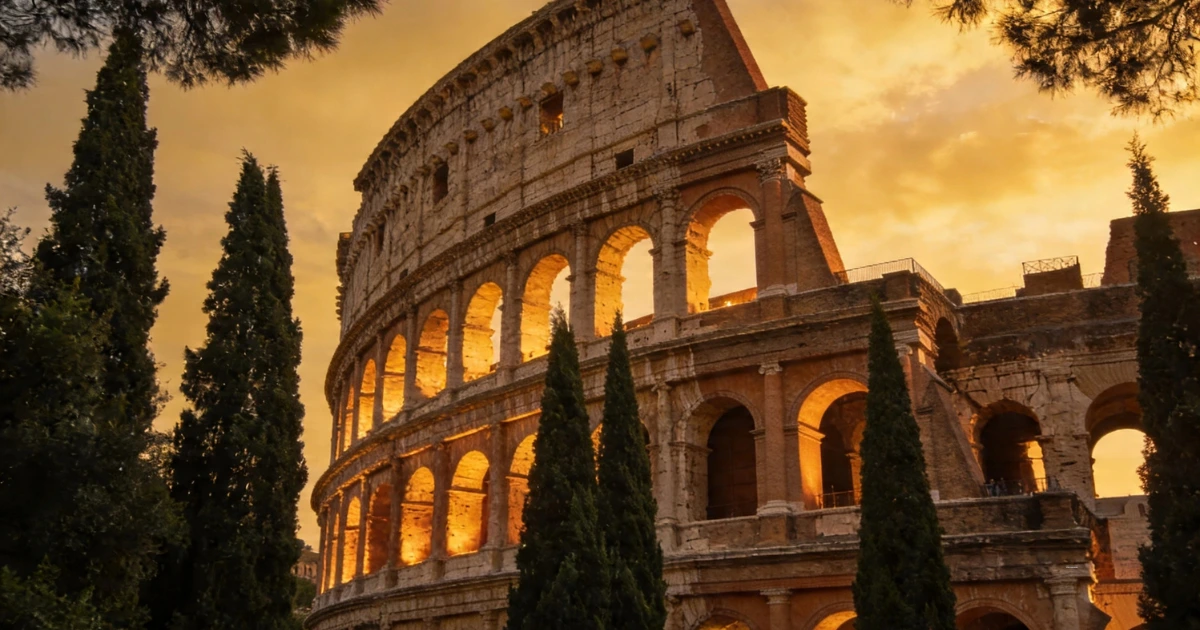
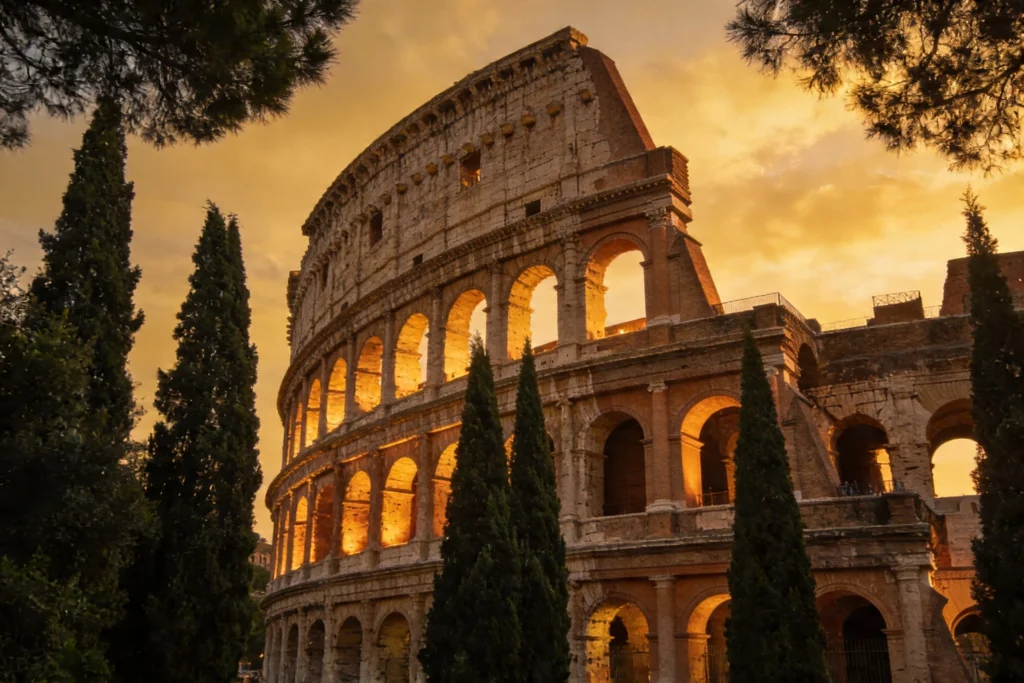
Rome is the rare city where the tourist trail — the Colosseum, Vatican, Trastevere, Campo de’ Fiori — actually delivers. It’s not hype. The density of history per square kilometer is genuinely unmatched in Europe, and the food scene rewards even a short visit. That said, go in April or October. Summer in Rome means 35°C heat and aggressive queues at every major site.
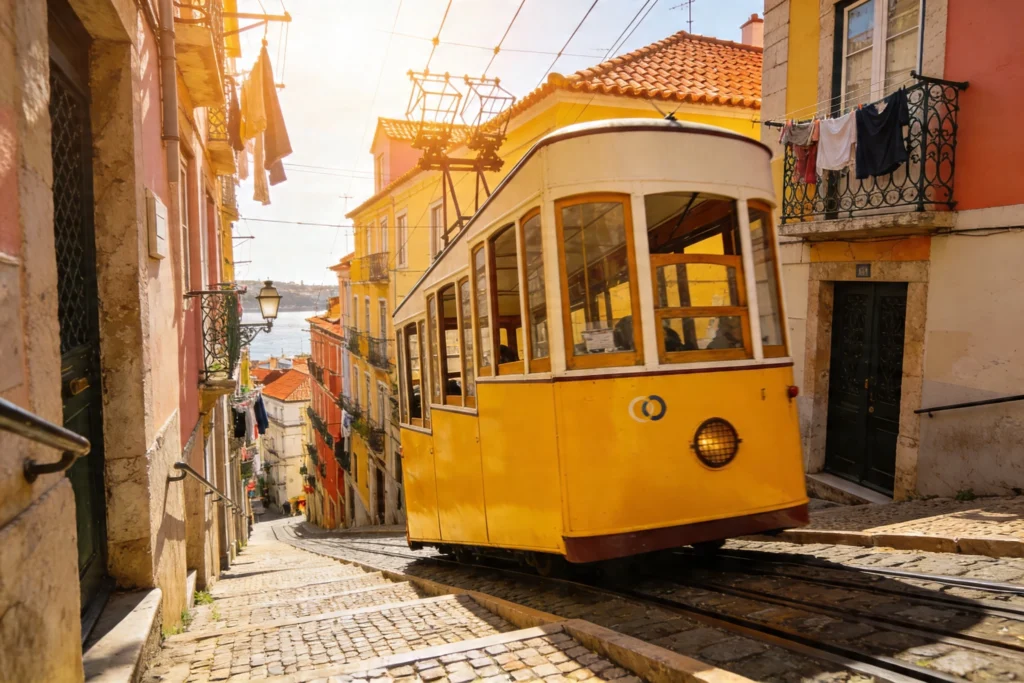
Lisbon has rapidly become one of the strongest picks for first-timers who want Rome-level charm at two-thirds of the price. Trams, viewpoints, pastéis de nata, Alfama alleyways — it’s a city that earns its reputation without trying too hard. A first visit works best with 4 days, using day 3 for a Sintra day trip.
Amsterdam deserves mention for how logistically easy it is. The city’s grid of canals is intuitive to navigate, the Rijksmuseum and Van Gogh Museum are world-class (book tickets at least 2 weeks in advance), and you can cover the core neighborhoods on foot in two solid days. First-timers consistently underestimate how much there is to do between the canal belt, Jordaan, and De Pijp.
When I arrived in Lisbon in October 2023, I hadn’t booked the Sintra train in advance — and by 10am, every seat to Sintra was sold out until early afternoon. The lesson: in shoulder season, trains and museum tickets to day-trip destinations sell out faster than the main city attractions. Book transport, not just entry tickets.
Which European Cities Are Best for Young Adults and Budget Travelers?
The best European cities for young adults and budget travelers are Prague, Kraków, Budapest, Porto, and Berlin — destinations where accommodation, food, and nightlife cost significantly less than in Western European capitals without sacrificing quality or atmosphere.
Quick Answer: Prague, Kraków, Budapest, Porto, and Berlin offer the strongest combination of affordability, nightlife, culture, and social atmosphere for young adults in 2026. Hostels in Prague and Kraków average €15–25/night, meals cost €5–10, and public transport is extensive. All five cities have active backpacker scenes and rich cultural programming.
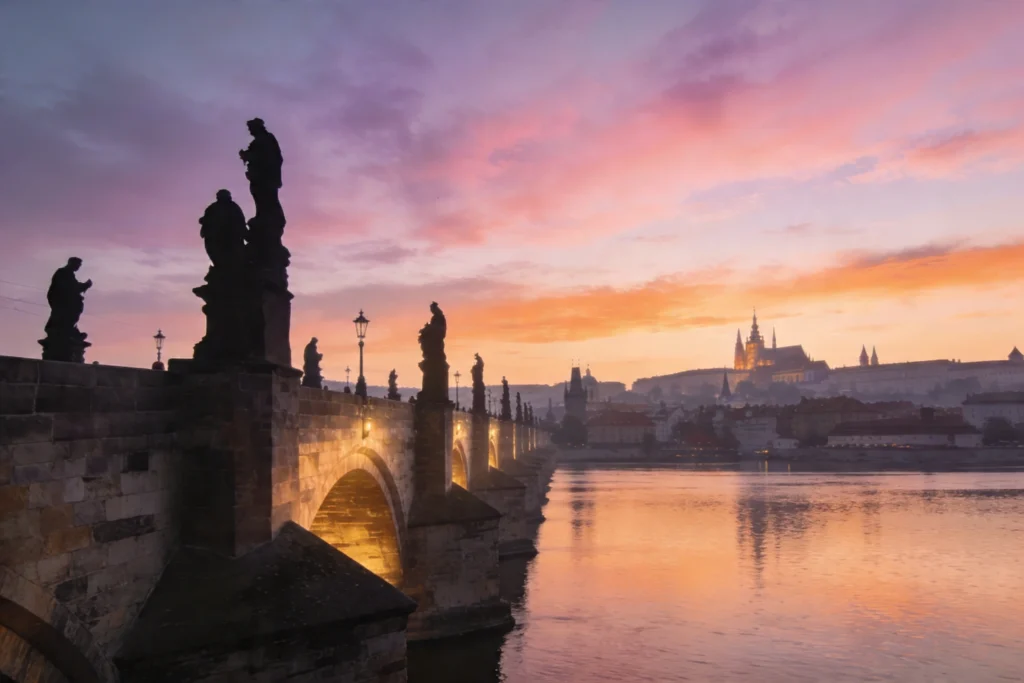
Prague sits at the top of this list for a reason. The historic center — Staré Město, Malá Strana, Vinohrady — is architecturally remarkable, the beer costs less than water in most Western cities, and the Schengen train links make it a natural hub for a longer Central European trip. The downside: Prague’s Old Town Square is heavily touristed; wander ten minutes in any direction and you’ll find a completely different, quieter city.
Budapest offers something few cities can match: thermal baths you can book for under €20, a Danube waterfront that makes for one of Europe’s best evening walks, and a ruin-bar scene in the Jewish Quarter that’s genuinely unlike anything in Western Europe. Szimpla Kert is the most famous ruin bar — it’s worth one visit, but the surrounding streets have better, less crowded alternatives.
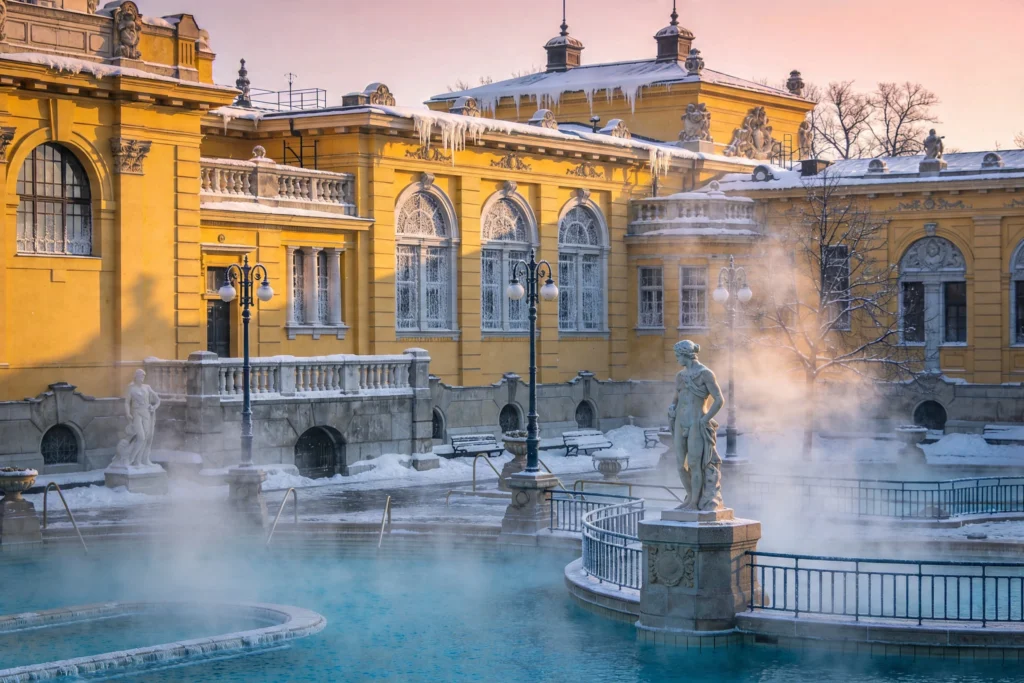
Porto punches above its weight at every price point. A full day of port wine tastings in Vila Nova de Gaia, a walk across the Dom Luís I Bridge, and a meal at a tasca in the Bonfim neighborhood costs less than a single dinner in Paris. U.S. News Travel ranks Porto among the top-value European destinations for 2026.
What Are the Most Underrated European Cities to Visit?
The most underrated European cities in 2026 are Ljubljana (Slovenia), Ghent (Belgium), Riga (Latvia), Valletta (Malta), Braga (Portugal), and Gdańsk (Poland) — compact, culturally rich cities that rarely appear on mainstream travel lists but consistently outperform expectations.
Quick Answer: Ljubljana, Ghent, Riga, Valletta, Braga, and Gdańsk are the most underrated European cities to visit in 2026. Each offers a distinct architectural identity, strong local food and drink culture, manageable crowds, and lower costs than the major capitals. They work especially well for travelers who’ve already done the “main” cities and want something more genuine.
Ljubljana is Slovenia’s capital and it’s absurdly easy to like. The old town wraps around a hilltop castle, the Ljubljanica River cuts through the center, and the whole thing is largely car-free on weekends. It’s a natural stop if you’re combining it with Lake Bled (45 minutes by bus), which consistently draws travelers who booked Ljubljana almost as an afterthought.
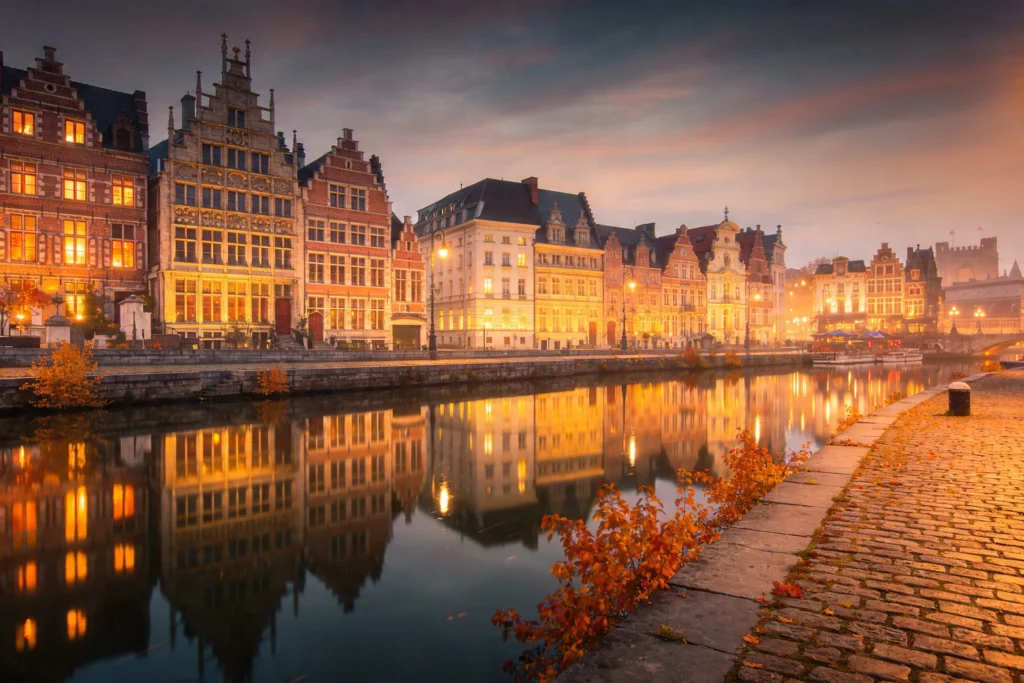
Ghent is where Belgians go when they want Brussels without the EU-district energy. The medieval Gravensteen castle, the Graslei waterfront, and the Thursday-through-Saturday night market scene make it a strong 2-day stop. Rick Steves’ 2026 travel blog highlights Ghent as a destination finally getting the attention it deserves after decades of being overshadowed by Bruges.
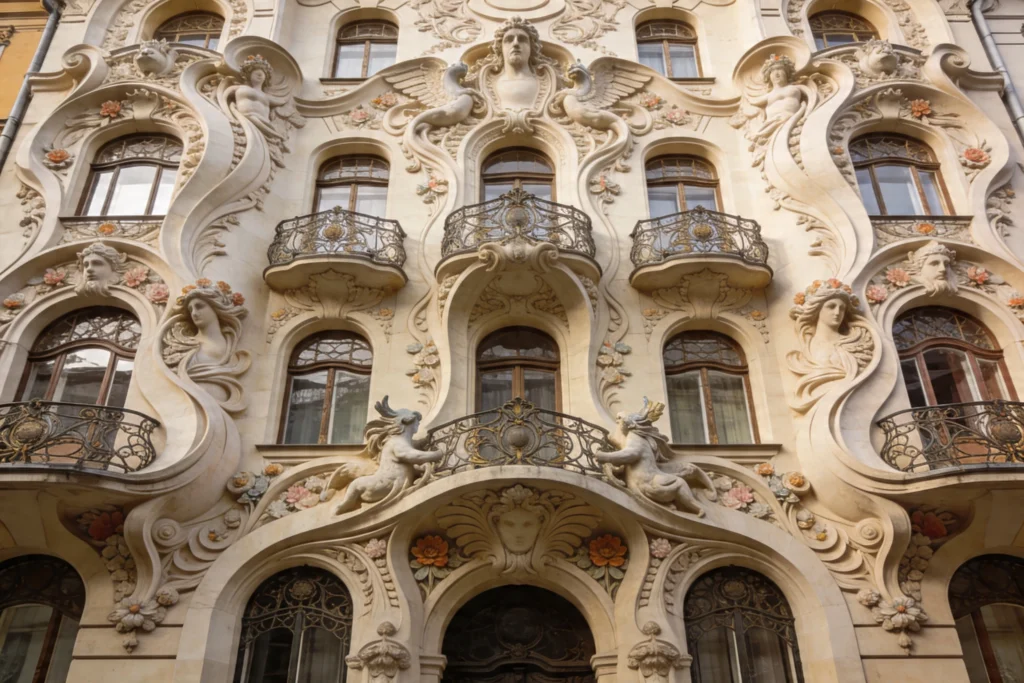
Riga, Latvia gets repeatedly cited on Reddit threads asking for underrated European cities — and for good reason. Its Art Nouveau architecture (the largest concentration in Europe, per UNESCO data) is remarkable, the Old Town is a UNESCO World Heritage Site, and the overall cost of living makes it one of the cheapest short-trip destinations in the EU.
When I spent three days in Ghent in spring 2022, I’d budgeted for a quick transit stop between Amsterdam and Brussels. I ended up extending by a day because the local Flemish stew — waterzooi — at a canal-side café near Vrijdagmarkt was better than anything I’d eaten in Belgium before. The lesson: leave a day’s buffer in smaller cities because they consistently surprise.
When Is the Best Time of Year to Visit Different European Cities?
The best time to visit European cities depends on location and climate zone: Mediterranean cities like Barcelona and Rome peak in May–June and September–October; Northern cities like Reykjavík and Helsinki reward summer visits for daylight; and Central European cities like Prague and Budapest are particularly strong in late November for Christmas markets.
Quick Answer: Visit Mediterranean Europe (Rome, Lisbon, Barcelona, Dubrovnik) in May–June or September–October to avoid peak summer heat and crowds. Northern Europe (Reykjavík, Helsinki, Stockholm) is best June–August for long daylight hours. Central Europe (Prague, Budapest, Kraków) shines in shoulder seasons and is exceptional in December for Christmas markets.
Here’s a practical breakdown by season:
Spring (March–May): The strongest all-around window for most of Western and Southern Europe. Lisbon in April, Paris in May, Rome in late March — crowds are manageable, temperatures are comfortable (15–22°C), and accommodation rates haven’t hit peak pricing : Lonely Planet Europe seasonal guide
Summer (June–August): High season across the board. Worth it in Scandinavia (Stockholm, Copenhagen, Bergen) and Iceland, where you’re chasing daylight. In the Mediterranean, it means 35°C+ heat and sold-out accommodation. If you go to Dubrovnik or Santorini in July, book accommodation 3–4 months ahead and arrive before 9am at major sites.
Autumn (September–October): Arguably the best-kept secret window. Rome, Florence, and the Amalfi Coast are substantially less crowded; Prague and Budapest still have warm evenings but the tour groups thin out dramatically. Lux Life London’s seasonal Europe guide specifically calls October one of the best months for city breaks across Central and Southern Europe.
Winter (November–February): Christmas markets in Strasbourg, Cologne, Nuremberg, and Vienna run late November through December 23 and are worth organizing a trip around. January–February is the cheapest window for flights and hotels across Europe, ideal for museums, galleries, and indoor-heavy itineraries. Reykjavík in January offers the best chance of Northern Lights viewing within a European city.
Which European Cities Are Best for a Short City Break or Weekend Trip?
The best European cities for a short city break or weekend trip are Amsterdam, Barcelona, Lisbon, Prague, and Vienna — cities dense enough to fill 48–72 hours without feeling rushed, with strong direct flight connections from major European hubs.
Quick Answer: Amsterdam, Barcelona, Prague, Vienna, and Lisbon are the strongest choices for a 2–3 day European city break. Each can be navigated largely on foot, has a clear “core” of must-see areas concentrated within a few kilometers, offers good direct flight connections, and rewards the pace of a long weekend without requiring a detailed itinerary.
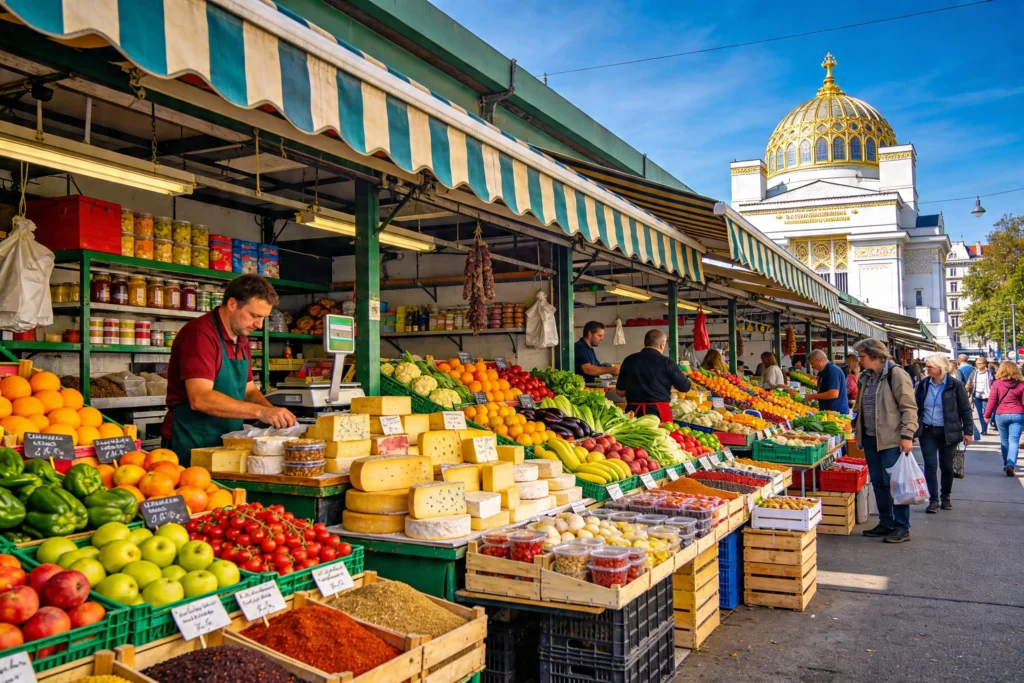
Vienna is criminally underused as a weekend destination. The Innere Stadt (first district) alone contains the Kunsthistorisches Museum, the Belvedere, the Opera House, and the Naschmarkt — all within walking distance. A Friday–Sunday trip comfortably covers the highlights, especially if you use the city’s excellent U-Bahn rather than taxis.
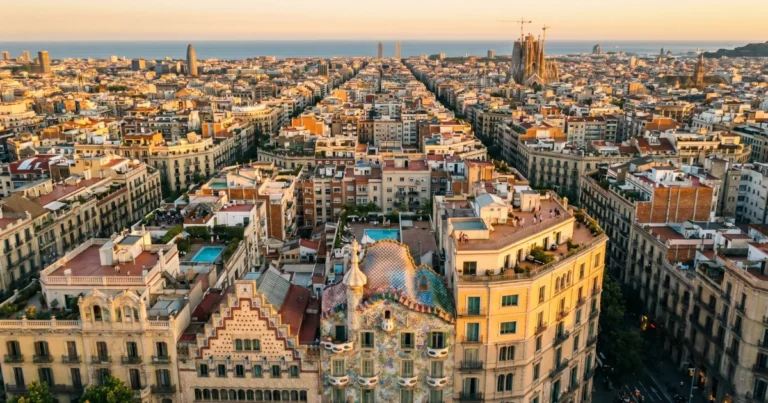
Barcelona works particularly well for 3-day trips because the neighborhoods do different things. Day 1: Gòtic and El Born (history, tapas, bars). Day 2: Eixample and Gaudí (architecture, Sagrada Família — book weeks in advance). Day 3: Barceloneta and Poblenou (coast, brunch, design). It’s a city that doesn’t punish a tight schedule.
For city-break logistics, the rule is simple: fly direct, stay central, and pick one neighborhood per half-day. Split your time between a major attraction and unscheduled walking. The travelers who “do” Amsterdam in a weekend and come back frustrated are almost always the ones who over-programmed it.
Best Places to Visit in Europe by Traveler Profile {#by-profile}
The right European destination varies sharply by what you want from the trip. Here’s how the key cities compare across the main traveler profiles:
| City | Best For | Budget Level | Best Season | Trip Length |
|---|---|---|---|---|
| Rome | First-timers, history lovers | Mid–High | Apr, Oct | 4–5 days |
| Lisbon | First-timers, value seekers | Low–Mid | Apr–Jun, Sep | 4–5 days |
| Barcelona | First-timers, beach + culture | Mid–High | May, Sep–Oct | 3–4 days |
| Paris | Culture, romance, first-timers | High | May, Oct | 4–6 days |
| Amsterdam | First-timers, city breaks | Mid–High | Apr–May, Sep | 3–4 days |
| Prague | Budget, young adults, nightlife | Low | May, Sep, Dec | 3–4 days |
| Budapest | Budget, young adults, wellness | Low–Mid | Apr–Jun, Sep | 3–4 days |
| Porto | Budget, food, slow travel | Low–Mid | May–Jun, Sep | 3–4 days |
| Ghent | Repeat visitors, culture | Low–Mid | May, Oct | 2–3 days |
| Ljubljana | Repeat visitors, slow travel | Low–Mid | May–Sep | 2–3 days |
| Riga | Budget, underrated, city breaks | Low | May–Sep | 2–3 days |
| Vienna | Culture, classical arts, breaks | Mid | Apr–Jun, Oct | 3–4 days |
| Reykjavík | Adventure, Northern Lights | Mid–High | Jun–Aug or Jan | 3–5 days |
Common Mistakes to Avoid
Visiting peak summer without booking 3 months ahead. Hotels in Dubrovnik, Santorini, and Cinque Terre sell out by March for July–August. If you’re going in high season to a small city, accommodation needs to be the first thing you book, before flights.
Treating every city the same way. Rome rewards slow walking and café stops; Amsterdam rewards renting a bike and getting off the tourist canal loop; Prague rewards leaving the old town center after dark. Each city has a different optimal pace — look it up before you go, not after you arrive.
Ignoring Eastern and Northern Europe. Most travelers default to Mediterranean cities for their first few Europe trips. That’s fine — but Kraków, Tallinn, and Ghent consistently outperform expectations for cultural depth and value. Tallinn’s medieval old town is better preserved than most Western European equivalents.
Booking everything in one country. A Paris–Lyon–Nice itinerary ignores the fact that a cheap Ryanair flight could take you from Paris to Porto in 2 hours for €30. Cross-border city-hopping is often faster and cheaper than domestic train travel.
Under-researching entry requirements. In 2026, the EU’s ETIAS (European Travel Information and Authorisation System) is expected to apply to non-EU nationals from certain countries. Check before you book, not the week before you fly.
Skipping the food research. The best meal in any European city is rarely at the restaurant nearest the main square. Spend 10 minutes on Google Maps reviews in the local language — or ask at your hotel — before your first dinner. The difference is significant.
Match Your Profile to Your European City
The best places to visit in Europe in 2026 aren’t a fixed list — they’re a match between where you are in your travel experience and what you want out of the trip. First-timers should anchor on Rome, Lisbon, or Barcelona. Budget and younger travelers get better value in Prague, Porto, and Budapest. Repeat visitors who want something more layered should look at Ghent, Ljubljana, and Riga. And timing matters as much as destination — spring and autumn are the strongest windows for most of Southern and Central Europe. Pick your city based on your profile, not the itinerary you found in a Pinterest post.
For timing by destination, see our best places to travel worldwide.
I’ve traveled across more than 30 European cities — missing the last train to Sintra, extending a Ghent stopover for a bowl of waterzooi, and learning that September in Rome feels like an entirely different city than August. I write about European destinations because the gap between ‘best by hype’ and ‘best for your specific trip’ is wider than most travel content admits. I update this guide as crowd patterns, pricing, and transport options change.
C. FAQ SECTION
Q: What are the best European cities for first-time visitors?
A: For first-timers, Rome, Lisbon, Barcelona, Amsterdam, and Paris are the strongest picks. Each city has a compact, walkable core, reliable public transport, and enough cultural variety to fill 4–5 days. Lisbon is the best value option; Rome has the highest historical density. Avoid visiting any of them in July or August if you’re sensitive to heat and crowds.
Q: Which European cities are best for young adults on a budget?
A: Prague, Kraków, Budapest, Porto, and Berlin consistently offer the best value for young adult travelers. Hostel beds in Prague and Kraków average €15–25/night; a full meal at a local restaurant rarely exceeds €10. All five cities have strong nightlife scenes and active hostel cultures that make solo travel socially easy.
Q: What are the most underrated European cities to visit in 2026?
A: The most underrated European cities in 2026 are Ljubljana (Slovenia), Ghent (Belgium), Riga (Latvia), Valletta (Malta), Braga (Portugal), and Gdańsk (Poland). Each has a distinct architectural identity, manageable tourist traffic, and significantly lower prices than the major capitals. Riga in particular is gaining traction for its Art Nouveau architecture and Baltic food scene.
Q: When is the best time to visit Europe?
A: Spring (April–May) and early autumn (September–October) are the best times for most of Southern and Central Europe — cooler temperatures, fewer crowds, and lower prices than peak summer. Northern Europe is best June–August. Winter (November–February) is ideal for Christmas markets in Germany and Austria, and for Northern Lights trips to Reykjavík.
Q: Which European cities are best for a short city break or weekend trip?
A: Amsterdam, Prague, Vienna, Barcelona, and Lisbon are the best options for 2–3 day city breaks. All five are highly walkable, have direct flight connections from major European airports, and have a clear concentration of highlights within a small area. Vienna and Prague are particularly strong for a Friday–Sunday format.
Q: What is the best European city to visit for the first time in Europe overall?
A: Rome is the single strongest first-Europe destination for most travelers. The historical concentration — Colosseum, Roman Forum, Vatican, Trastevere — is unmatched, the food rewards every price point, and 4 days gives you a solid read on European city travel. The main caveat: avoid July and August and book major sites in advance.
Q: What are the best European city breaks for a 3-day trip?
A: Barcelona (beach + architecture + food), Prague (history + nightlife + value), and Amsterdam (canals + museums + cycling) are the three strongest European cities for a 3-day trip. Each has a natural day-by-day structure: one neighborhood or theme per day, with enough variety that the itinerary doesn’t feel repetitive.
Q: Which European cities are best to visit in winter?
A: Vienna, Strasbourg, Cologne, Nuremberg, and Prague are the strongest winter destinations in Europe, primarily for their Christmas markets (late November through December 23). Outside the market season, Lisbon and Seville are excellent January–February options for mild weather. Reykjavík is the best winter pick for Northern Lights and dramatic landscapes.