The Best Time to Travel to Japan
By Tom | Updated April 2026
Tom is a travel publisher focused on destination timing, seasonality, and practical trip planning.
The best time to travel to Japan is spring (late March to May) and autumn (October to November), when weather is mild and seasonal scenery is at its peak. Winter is ideal for budget trips and skiing, while summer suits cultural festivals and exploring the northern island of Hokkaido.
Deciding exactly when to book your flight depends entirely on what you want to experience. The country experiences four distinct seasons, each offering a dramatically different landscape across its major regions. Mapping out your priorities before locking in dates is essential to pinpointing your ideal window.
Table of Contents
Best Times: A Quick Answer
Key Takeaway: Spring and fall offer the most comfortable weather and iconic scenery but draw peak crowds. Winter is the ultimate period to visit on a budget, while summer brings intense heat but unforgettable street festivals and fireworks.
Pro Tip: Finding the perfect months for your journey means booking ahead. If you are flying from major US hubs like LAX or JFK, secure your flights at least six to eight months in advance for spring and fall trips to guarantee direct routes and reasonable fares.
Japan’s Seasons at a Glance
| Season | Months | Weather | Crowds & Cost | Best For | Worst For |
|---|---|---|---|---|---|
| Spring | March to May | 50°F to 70°F (10°C to 21°C) | High crowds, high cost | Cherry blossoms, mild days | Budget travelers, late planners |
| Summer | June to August | 75°F to 90°F (24°C to 32°C) | Moderate crowds, high flights | Festivals, hiking Hokkaido | Travelers sensitive to heat |
| Fall | Sept to Nov | 55°F to 75°F (13°C to 24°C) | High crowds, moderate cost | Autumn foliage, photography | Avoiding typhoons in September |
| Winter | Dec to Feb | 30°F to 50°F (-1°C to 10°C) | Low crowds, lowest cost | Skiing, hot springs, budget | Light packers, island hopping |
Spring Travel in Japan
Quick Answer: Spring (March to May) offers comfortable weather and iconic cherry blossoms, but it is also the most crowded and expensive season.
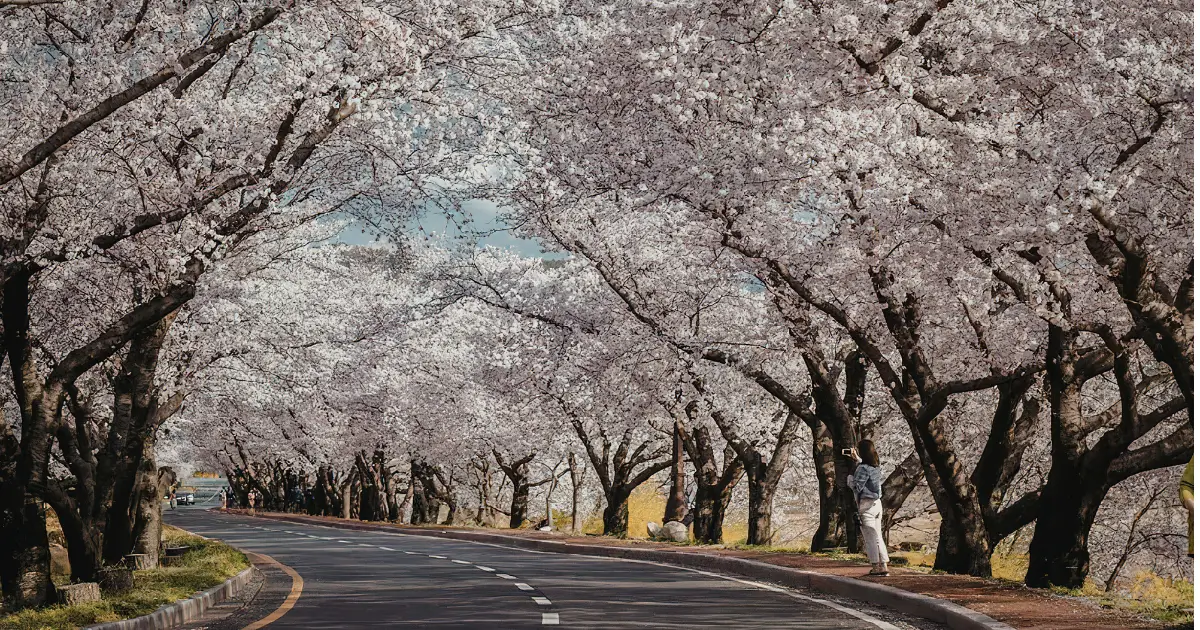
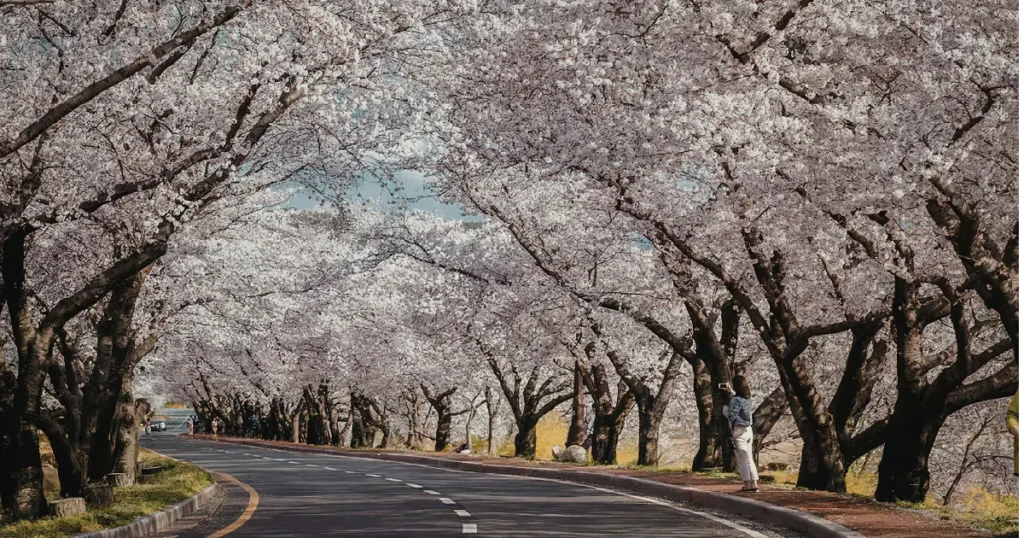
Many consider spring the top season to visit, driven by the famous sakura (cherry blossoms) that sweep across the country. Temperatures are incredibly comfortable, making it perfect for Tokyo and Kyoto sightseeing walks. You will see locals enjoying hanami (flower viewing) picnics in city parks from dawn until dusk.
However, this is also the most expensive period to travel. Accommodation fills up rapidly, and riding the Shinkansen (bullet train) requires advance reservations. You must also navigate Golden Week in late April and early May, a domestic holiday where travel infrastructure is stretched to its absolute limits.
Summer Travel in Japan
Quick Answer: Summer (June to August) is hot and humid but features incredible traditional festivals and lush, green landscapes.
Summer brings a dramatic shift, starting with the rainy season (tsuyu) in June and early July. By August, the country experiences extreme humidity, which can make midday temple hopping exhausting. Despite the weather, it is deeply traditional, making it an epic season for cultural immersion.
This is the season of matsuri (street festivals) and spectacular fireworks. While Honshu swelters, the northern island of Hokkaido remains cool and pleasant, boasting beautiful lavender fields and excellent hiking conditions.
Autumn Travel in Japan
Quick Answer: Autumn (September to November) provides stunning fall foliage and crisp air, though early autumn carries a risk of typhoons.
Photographers often call autumn the ideal window for capturing the country’s beauty. As the intense summer heat breaks, the landscape transforms with breathtaking fall foliage (koyo). The vibrant red maple leaves peak in November, offering spectacular scenery across major temple grounds.
Early autumn requires flexibility, as September is the peak of typhoon season. Heavy rains can temporarily disrupt flights and trains. By late October, skies clear, leaving crisp air and comfortable hiking weather.
Winter Travel in Japan
Quick Answer: Winter (December to February) is ideal for budget travelers, skiing, and hot springs, offering crisp, clear days with minimal crowds.
For deal-seekers, winter is the top season to explore on a budget. The weather is dry and chilly, offering the clearest views of Mount Fuji all year. This is the perfect time to experience traditional onsen (hot springs) culture in snow-covered mountain towns.
Winter stands out for major discounts on international airfare and luxury hotels. Depending on your departure city, winter flights are often substantially cheaper than peak spring fares.
Month-by-Month Travel Calendar
| Month | Avg Temp (F/C) | Key Events & Highlights | Crowd Level | Overall Recommendation |
|---|---|---|---|---|
| January | 41°F (5°C) | New Year, Peak Skiing | Low | Excellent for budget and snow |
| February | 43°F (6°C) | Sapporo Snow Festival | Low | Great for winter sports |
| March | 50°F (10°C) | Early Sakura, Plum Blossoms | High | Good transitional month |
| April | 59°F (15°C) | Peak Cherry Blossoms | Very High | Beautiful but very crowded |
| May | 68°F (20°C) | Golden Week, Mild Weather | High | Great after the first week |
| June | 73°F (23°C) | Rainy Season Begins | Low | Pack an umbrella, good deals |
| July | 81°F (27°C) | Gion Matsuri, Mt. Fuji Opens | Moderate | Hot and humid, great festivals |
| August | 84°F (29°C) | Obon Festival, Fireworks | High | Very hot, peak domestic travel |
| September | 75°F (24°C) | Typhoon Season | Moderate | Risky weather, nice late month |
| October | 64°F (18°C) | Autumn Colors Begin | High | Perfect weather, highly recommended |
| November | 55°F (13°C) | Peak Fall Foliage | Very High | Stunning scenery, cool air |
| December | 46°F (8°C) | Winter Illuminations | Moderate | Festive and affordable early on |
January in Japan
January brings crisp, cold air and brilliant blue skies to Tokyo and Kyoto. Regional weather varies wildly: while Tokyo hovers around 41°F (5°C), Hokkaido is submerged in freezing temperatures and deep snow, and Okinawa enjoys a mild 60°F (15°C). Most businesses close for the first few days of the new year for shogatsu (New Year). Cultural experiences revolve around hatsumode, the first shrine visit of the year, where millions gather at sites like Meiji Shrine in Tokyo, while Osaka’s Toka Ebisu festival draws massive crowds praying for business success.
Seasonal culinary highlights include osechi ryori (traditional New Year boxes), ozoni (mochi soup), and warming hot pots like nabe and sukiyaki. For packing, you will need a heavy winter coat, thermal baselayers like Uniqlo’s Heattech, a warm scarf, and gloves. Because you will be taking your shoes off frequently at temples and indoor venues, pack slip-on winter boots or comfortable, warm walking shoes with thick wool socks.
February in Japan
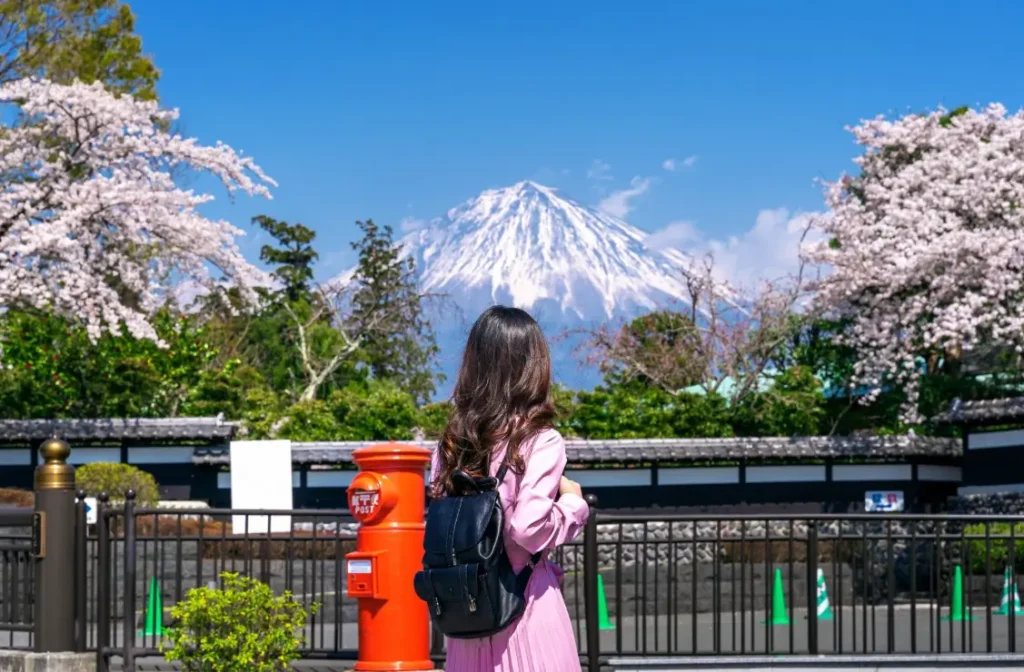
February remains quite cold, making it the absolute perfect month for soaking in outdoor hot springs (rotenburo). While Tokyo and Kyoto remain chilly, Hokkaido is in the depths of peak winter, hosting the famous Sapporo Snow Festival featuring massive, intricately carved ice sculptures. On the main island, plum blossoms (ume) begin to bloom in late February, offering vibrant pinks and whites at spots like Kairakuen in Mito or Kitano Tenmangu in Kyoto, providing a less-crowded alternative to sakura.
Seasonal foods to savor include yudofu (a delicate tofu hot pot famous in Kyoto), fresh winter yellowtail (buri), and the peak harvest of incredibly sweet Japanese strawberries. Layering is essential when packing for February. Bring a windproof and waterproof outer layer if you are heading to the mountains or Hokkaido. In the cities, a high-quality down jacket over a sweater, paired with thermal underwear, will keep you perfectly comfortable.
March in Japan
March serves as a dynamic transitional month, shaking off the winter chill as anticipation for spring builds. Early March still requires a winter coat, but late March brings noticeably warmer days in the 50s (10°C to 15°C) to Tokyo and Osaka. Hokkaido remains firmly in winter with ski resorts operating at full capacity. In Nara, the spectacular Omizutori festival takes place, where monks wave giant flaming torches from a temple balcony. By the very end of March, early cherry blossoms begin opening in southern regions.
Culinary highlights feature the arrival of sakura mochi (sweet rice cakes wrapped in pickled cherry leaves) and spring cabbage, along with highly prized seafood like tai (sea bream). March requires a highly flexible wardrobe. Bring a medium-weight jacket, versatile scarves, and sweaters that can be easily removed. A mix of long-sleeve shirts and a light fleece will help you adapt to the widely fluctuating daytime and nighttime temperatures.
April in Japan
April is dominated by the spectacular cherry blossoms, transforming the country into a sea of pale pink. For those tracking 2026 cherry blossom forecasts, Tokyo typically sees flowering around March 19 and full bloom around March 27–28, while Kyoto sees flowering around March 23 and full bloom around March 30 to April 1. Regional weather is incredibly pleasant, with Tokyo enjoying sunny days in the 60s (15°C to 20°C). Key cultural events include the Takayama Spring Festival in the Japanese Alps and the elegant Miyako Odori geisha dances in Kyoto.
Locals celebrate with hanami picnics under the trees, snacking on seasonal takenoko (bamboo shoots) and strawberry sandos. When packing, focus on light, breathable layers. A classic trench coat or a stylish denim jacket is perfect for the mild daytime weather. Bring exceptionally comfortable, supportive walking shoes, as you will be spending long hours strolling through sprawling parks and temple grounds.
May in Japan
May offers arguably the best weather of the entire year, featuring warm, sunny days in the 70s (20°C to 25°C) without the oppressive summer humidity. Hokkaido finally welcomes its cherry blossoms, particularly around the star-shaped Goryokaku Fort in Hakodate. On the main island, Tokyo hosts the massive Sanja Matsuri, an energetic festival involving portable shrines, while Kyoto holds the stately Aoi Matsuri. Avoid traveling during the first week of May, known as Golden Week, to escape peak domestic crowds.
Seasonal dining focuses on shincha (the first harvest of green tea), beautifully bitter mountain vegetables (sansai), and katsuo (skipjack tuna). Transition your luggage to a late-spring wardrobe. T-shirts, light long-sleeve shirts, and breathable trousers are ideal. Bring a light sweater or cardigan for the slightly cooler evenings, and make sure you have sunglasses and a daypack for hiking excursions.
June in Japan
June marks the start of the rainy season (tsuyu), though timing varies by region. You can expect frequent overcast days and persistent drizzle. The notable exception is Hokkaido, which completely skips the rainy season, enjoying clear skies and dry air alongside the energetic Yosakoi Soran dance festival in Sapporo. While rain deters some, it brings out the stunning beauty of lush moss temples in Kyoto and brilliant ajisai (hydrangeas) blooming in Kamakura.
Food lovers can enjoy ayu (sweetfish) grilled over hot coals, cold soba noodles to beat the rising humidity, and an abundance of matcha-flavored sweets. Preparation is essential for your suitcase. Pack a high-quality, lightweight rain jacket, a sturdy travel umbrella, and waterproof walking shoes. Focus on quick-drying clothing and synthetic blends rather than heavy cotton or denim, which take forever to dry in damp air.
July in Japan
July weather is hot and sticky, with temperatures climbing into the mid-to-high 80s (28°C to 32°C), but it kicks off the exhilarating summer festival season. Kyoto hosts the famous Gion Matsuri, a month-long celebration culminating in a spectacular procession of wooden floats, while Osaka’s Tenjin Matsuri features thousands of participants and fireworks. July is also the official start of the Mount Fuji climbing season. To escape the heat, many head to Hokkaido, where the rolling hills of Furano erupt in brilliant purple lavender fields.
To survive the heat, locals turn to kakigori (finely shaved ice flavored with syrup), cold somen noodles sliding down bamboo flumes, and unagi (grilled eel) for stamina. Combat the humidity by packing moisture-wicking fabrics, airy linen shirts, and loose-fitting shorts or pants. Include a wide-brimmed hat, high-SPF sunscreen, and a portable electric fan to stay cool during outdoor festivals.
August in Japan
August is the hottest, most humid month of the year, with daytime temperatures regularly exceeding 90°F (32°C). Despite this, it is highly active culturally. It is the season of Obon, a traditional Buddhist holiday honoring ancestral spirits, featuring Bon Odori dances in local neighborhoods. Epic festivals define August, including the illuminated floats of the Nebuta Matsuri in Aomori and spectacular fireworks (hanabi) displays drawing millions of spectators dressed in lightweight cotton kimonos (yukata).
Cool down with summer festival street foods like grilled corn on the cob, juicy watermelon (suika), and chilled edamame paired with draft beer. Pack your lightest, most breathable summer clothes. Sleeveless tops, shorts, and comfortable sandals are necessary. Bring a reusable water bottle to stay constantly hydrated, and utilize cooling body wipes to stay refreshed while walking the hot city streets.
September in Japan
September offers a brief cooling period, bringing temperatures down to the mid-70s (24°C to 26°C), but it also brings the peak of typhoon season. The weather is often a mix of muggy days and sudden, heavy rainstorms. Despite the unpredictability, cultural events thrive, such as the thrilling Kishiwada Danjiri Matsuri in Osaka. Mid-September also brings Tsukimi (moon viewing) traditions, where people celebrate the autumn moon.
The culinary scene shifts dramatically toward autumn flavors, highlighting sanma (Pacific saury), sweet potatoes, and rice dumplings (tsukimi dango). Bring flexible layers that can handle both lingering summer heat and sudden autumn chills. A sturdy, wind-resistant umbrella and a high-quality waterproof rain shell are non-negotiable to handle potential typhoon weather.
October in Japan
October is one of the most magnificent months to explore, offering perfectly mild mid-60s (18°C to 22°C) weather and brilliant, clear blue skies. The autumn colors begin in Hokkaido and the higher elevations of the Japanese Alps, slowly moving southward. Historic festivals are prominent, including Kyoto’s Jidai Matsuri (Festival of Ages) and the incredibly ornate floats of the Takayama Autumn Festival. It is the prime window to hike the Nakasendo trail or explore rural thatched-roof villages.
Food lovers celebrate the arrival of shinmai (newly harvested rice), crisp persimmons, and highly prized, aromatic matsutake mushrooms. Bring light sweaters, long-sleeve shirts, and comfortable jeans or hiking pants. Because October is peak walking season, prioritize high-quality, well-broken-in walking boots or sneakers to handle miles of exploration.
November in Japan
November is one of the safest bets for catching peak fall foliage in Tokyo, Kyoto, and Osaka. The weather is crisp, with daytime highs around 55°F (13°C), and skies are generally clear and dry. The landscape transforms with breathtaking vibrant red maples (momiji) and golden ginkgo trees. Cultural highlights include the Shichi-Go-San children’s festival and the Tori no Ichi fairs in Tokyo, while Kyoto features spectacular evening temple illuminations.
Seasonal dining reaches a peak with snow crab (kani), warming yuzu citrus dishes, and hot sake to combat the evening chill. A medium-weight coat, such as a peacoat or a warm fleece jacket, is necessary. Bring warm scarves, versatile sweaters, and comfortable, dark-colored walking shoes suitable for city streets and gravel temple paths.
December in Japan
December ushers in the winter chill and a delightfully festive atmosphere. Tokyo and Kyoto drop into the chilly 40s (around 8°C), while Hokkaido begins to pile up its famous powder snow, officially kicking off ski season. The first half of December remains very affordable and quiet. Cities across the country put on massive winter illumination displays featuring millions of LED lights, such as the Nabana no Sato light tunnel near Nagoya.
Food highlights include slurping toshikoshi soba (year-crossing noodles) on New Year’s Eve, enjoying the quirky modern tradition of eating fried chicken on Christmas Day, and soaking in hot baths filled with floating yuzu fruit. Winter coats are absolutely mandatory. Pack heat-tech thermal layers, thick wool socks, warm gloves, and a beanie, plus waterproof snow boots if heading north.
Find Your Best Time by Goal
Best for Cherry Blossoms
Quick Answer: Late March to mid-April is the ideal window for cherry blossoms in central regions, requiring advance planning and flexibility.
The perfect months for seeing sakura in central areas run from late March to mid-April. Because the bloom depends heavily on winter temperatures, tracking official forecasts in February is crucial. Always book refundable accommodations early so you can adjust your dates if the bloom shifts.
For the ultimate sakura itinerary, start in Tokyo to see the sprawling lawns of Shinjuku Gyoen and the lantern-lit trees of the Meguro River. Take the Shinkansen to Kyoto to walk the Philosopher’s Path, and make a day trip to Mount Yoshino in Nara, where over 30,000 cherry trees carpet the mountainside.
Best for Autumn Colors
Quick Answer: November is the safest bet for witnessing vibrant autumn foliage in the major tourist corridors.
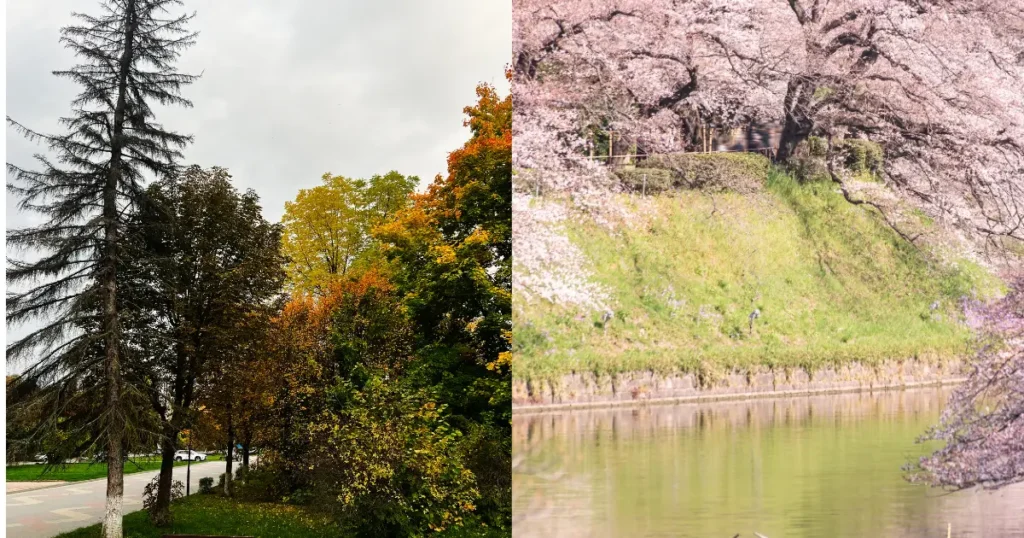
Unlike cherry blossoms, which fall quickly, autumn leaves stay on the trees for several weeks. This gives you a much wider window to enjoy the incredible colors. The crisp weather makes walking outdoors an absolute pleasure.
Craft a visual masterpiece of a trip by starting in Tokyo to visit the golden ginkgo avenues of Meiji Jingu Gaien. Take a day trip to Nikko, explore Arashiyama in Kyoto, and finish in Hiroshima with a ferry ride to Miyajima island to see the floating torii gate framed by red maples.
Best for Budget Travelers
Quick Answer: Mid-January through February represents the most affordable window to visit, with significant discounts on flights and accommodations.
Post-holiday slumps force airlines to drop ticket prices significantly, and business hotels offer their lowest nightly rates. You will easily find excellent meals and transport options that stretch your dollar further.
Base yourself in an affordable hub city like Osaka. From here, you can use budget-friendly regional rail passes to take cheap, short day trips to Kyoto, Nara, and Kobe without paying premium hotel rates. Alternatively, explore the culinary capital of Fukuoka for world-class, inexpensive street food.
Best for Winter Skiing
Quick Answer: January and February are legendary among skiers and snowboarders for delivering famous powder snow.
Hokkaido resorts like Niseko, Rusutsu, and Furano receive massive, consistent snowfall during these months, offering unmatched off-piste tree skiing and exceptional winter infrastructure.
If you want to combine skiing with cultural exploration without flying to Hokkaido, stay on the main island. Take the train to Nagano and spend three days at Nozawa Onsen, where you can ski Olympic-level runs by day and soak in traditional public hot springs by night.
Best for Hiking Trips
Quick Answer: May and October provide the absolute finest conditions for outdoor adventures and trail walking.
The trails are free of snow, the risk of typhoons is minimal, and the temperatures prevent dangerous heat exhaustion. These months are perfect for multi-day treks and exploring rugged interior landscapes.
For an unforgettable itinerary, tackle the Nakasendo Trail, hiking between the beautifully preserved Edo-period post towns of Magome and Tsumago. For a deeper spiritual journey, head south to Wakayama to hike the ancient Kumano Kodo pilgrimage routes.
Best for Family Vacations
Quick Answer: Late May or June offers a sweet spot for families before the peak summer break crowds and brutal heat arrive.
If you must travel during the school summer break, late July is preferable to August. Consider spending the bulk of your summer trip in the northern mountains to keep the kids comfortable.
A classic family itinerary balances theme parks with culture. Start in Tokyo with DisneySea, take the romance car to Hakone for a ryokan stay, visit the Kyoto Railway Museum, and finish in Osaka for a thrilling day at Universal Studios Japan.
Worst Times to Visit
Late April to early May is notoriously difficult due to Golden Week, causing fully booked bullet trains and inflated hotel prices. Late August to early September is equally challenging because of exhausting heat and a high probability of typhoons. Avoiding these specific windows will make your trip infinitely more enjoyable.
Conclusion
Japan is a phenomenal year-round destination, but timing your visit correctly transforms a good vacation into an extraordinary one. Spring and autumn are unparalleled for their visual splendor, offering mild weather and iconic natural beauty, though they demand higher budgets and advance planning. Winter provides an extraordinary value proposition for budget-conscious travelers and powder hounds, while summer challenges visitors with intense heat but rewards them with the country’s most spirited cultural festivals.
Ultimately, finding the absolute best time to travel to Japan depends entirely on your personal travel goals, budget, and tolerance for extreme weather. Start plotting your itinerary early to secure the best experiences. If you are still deciding between this and other global destinations, check out our ultimate guide on the Best Time to Travel in 2026: By Goal, Season & Destination to compare global seasons and ensure you are making the smartest choice for your vacation time.
Japan Travel Timing FAQs
Best month to visit?
October is one of the best overall months to visit. It offers perfectly mild weather, the beginnings of beautiful autumn foliage, and generally clear skies for viewing Mount Fuji. October avoids the intense crowds of the spring cherry blossom season while remaining warm enough for light jackets.
Cheapest time to visit japan ?
January is typically one of the cheapest months to travel. After the New Year holiday concludes, demand for flights and hotels plummets, resulting in major discounts. If you do not mind cold weather, January allows you to experience world-class dining and culture at a fraction of the peak season cost.
Is 5,000 USD enough?
Yes, 5,000 USD is plenty for a two-week trip for a couple, excluding luxury purchases. This budget comfortably covers economy flights from the US, mid-range hotels, local train passes, and excellent everyday dining. To stretch this budget further, travel in the winter months and utilize regional rail passes.
Worst time to visit?
Golden Week, which runs from late April into early May, is highly difficult to navigate. It is a cluster of national holidays that prompts massive domestic travel, leading to overcrowded attractions and fully booked transport. Late August is another difficult period due to extreme heat, high humidity, and frequent typhoons.
When is japan rainy season?
The Japanese rainy season, known as tsuyu, typically begins in early June and lasts through mid-July in most regions, though the exact timing varies. It affects most of the country except the northern island of Hokkaido. Rather than intense torrential downpours, the season is characterized by overcast skies, high humidity, and persistent, steady drizzle.