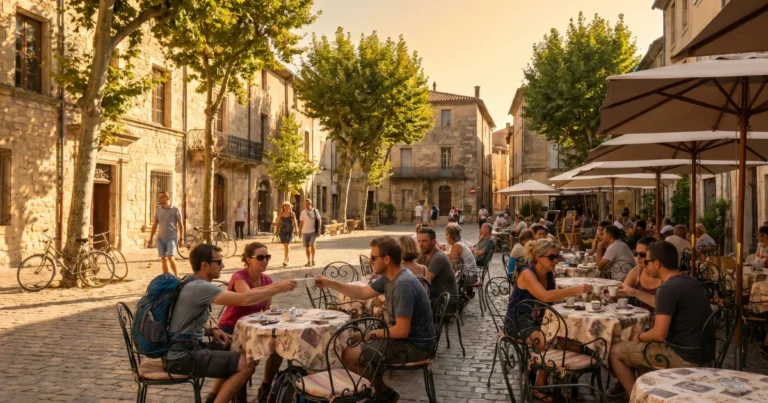
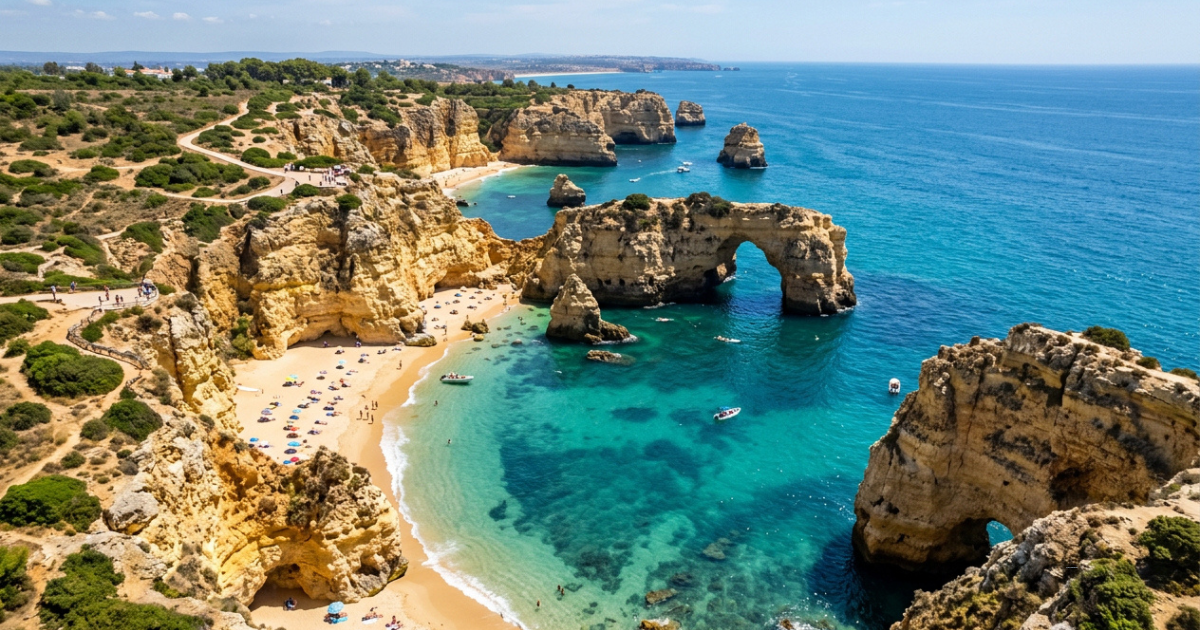
When Is the Best Time to Visit Portugal in 2026?
The best time to visit Portugal for most travelers is spring (April–May) or early fall (September–mid October), when temperatures are mild, rainfall is low, and crowds are thinner than in peak summer. This overlaps with when Lisbon, Porto, and the Algarve feel most comfortable for sightseeing, hiking, and beach time without intense heat or endless queues.
If you’re price-sensitive or don’t mind cooler, rainier days, the shoulder and winter months (November–March) can also be smart, especially for city-focused trips where you mainly want to explore Lisbon, Porto, or Coimbra without the July–August crowds. Portugal’s climate varies a lot between Lisbon and the Algarve, between Porto and the Douro Valley, and between the mainland and islands like Madeira or the Azores, so the ideal “best month” depends on where you’re headed and what you’re prioritizing—beaches, budget, festivals, or hiking.
In this guide we’ll break down the best time to visit Portugal by season, by month, by region, and by travel style, so you can pick the window that fits your budget, weather tolerance, and tolerance for crowds. For broader seasonal planning by destination, see our best time to travel guide.
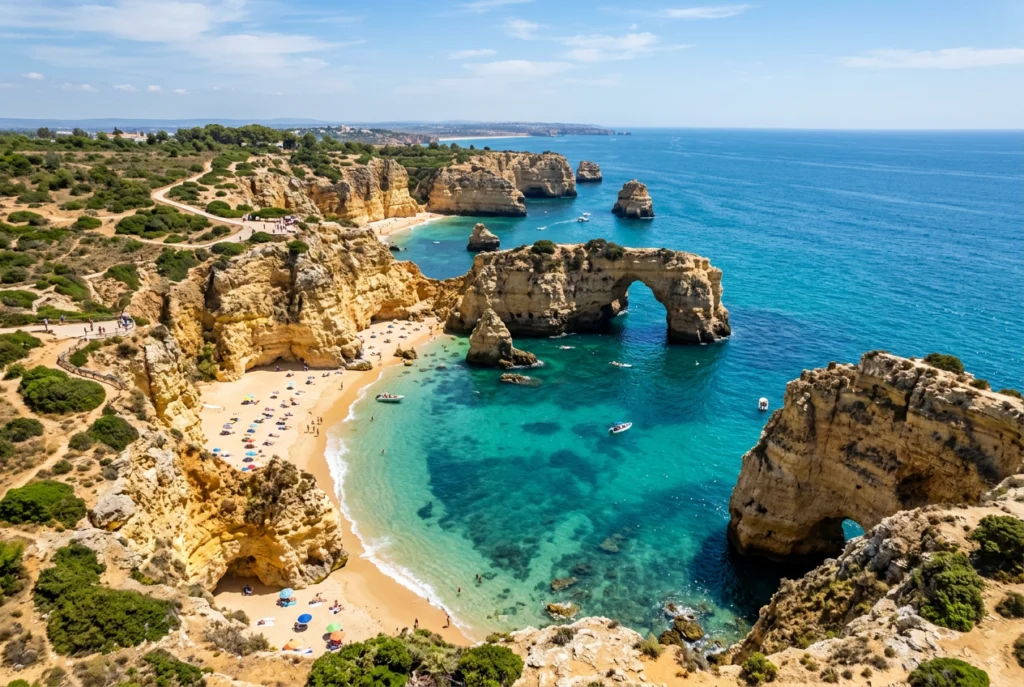
Table of Contents
What is the best time to visit Portugal?
The best time to visit Portugal is generally April–May and September–mid October, when daytime temperatures are comfortable, rain is low, and popular spots like Lisbon, Porto, and the Algarve are busy but not overwhelmed. For most first-time travelers, this window offers the best balance of good weather, open restaurants, and manageable crowds across the country.
Quick Answer: The best time to visit Portugal is spring (April–May) and early fall (September–October), when temperatures are mild, rainfall is low, and crowds are thinner than in peak summer. This works well for sightseeing in Lisbon, hiking in northern Portugal, and beach time in the Algarve, without the intense heat and high prices of July–August.
If you’re coming from the US or Northern Europe, this window is especially appealing because you escape the coldest months back home while still missing the worst summer heat on the southern coast. In practice, I recommend April–May if you care more about green landscapes and fewer crowds, and September–early October if you want more reliable beach weather and notice that hotel prices haven’t yet dropped back to off-season levels.
For budget-focused travelers, “best” can mean November–March, when flights and hotels are cheaper and major cities are quieter, even if some coastal areas feel cooler or rainier. The tradeoff is shorter days, fewer outdoor-focused activities, and a higher chance of gray weather, but if your priority is Lisbon’s museums, cafés, and viewpoints rather than swimming, winter can be one of the most pleasant moments to visit Portugal.
What is the temperature in Portugal by month?
Average temperatures in Portugal vary more by region than by the month itself, but you can expect a comfortable 15–27°C (59–81°F) in cities like Lisbon and Porto from April to October, with July and August often edging toward the upper end of that range. In the Algarve, summer days can sit around 28–32°C (82–90°F) with even warmer beaches, while the interior and northern mountains stay cooler and more variable.
Quick Answer: In Lisbon, average daytime temperatures are roughly 15–18°C (59–64°F) in April–May and 20–30°C (68–86°F) in June–September, while in the Algarve they are often 2–4°C (4–7°F) warmer. Winter months (December–February) average around 12–16°C (54–61°F) in the south and 9–14°C (48–57°F) up north, with occasional rain and cooler nights. Source: Weather2Travel.com Portugal climate data
In practice, a “warm” day in Portugal often means mild, sunny, and dry rather than sweltering, especially in April, May, and September, when you can walk miles without feeling fried. When it actually gets hot in July–August, Portuguese cities can feel stuffy in the afternoon, so the most comfortable sightseeing window is early morning and late afternoon—something I planned around when I spent a week in Porto in August.
Water temperatures matter if you’re heading to beaches: the Algarve reaches about 20–21°C (68–70°F) in August–September, which is comfortable for swimming, while spring and early fall water is cooler and better suited to short dips unless you’re used to colder seas. If you’re packing, plan for a light jacket most of the year and a real coat only in December–February, when you’re in the north or up in the mountains.
What’s the cheapest month to visit Portugal?
The cheapest months to visit Portugal are generally November–March, when international tourism dips and both flight and accommodation prices are noticeably lower than in the peak summer season. Within that window, January and February often stand out as the absolute lowest-cost stretch, especially if you book mid-week return tickets and avoid major holidays.
Quick Answer: The cheapest time to visit Portugal is from November to March, with January and February typically offering the lowest prices for flights and hotels. You can cut costs by choosing weekdays over weekends, staying slightly outside city centers, and booking non-peak-season rates, though you should expect cooler, rainier weather and shorter days.
When I planned a 10-day trip from Lyon to Porto in February, I booked a mid-week flight and a simple apartment in Campanhã instead of the historic center, which saved about 30–40% on the total lodging cost. The tradeoff was carrying a heavier jacket and accepting that some outdoor sights would be less pleasant in the rain, but the museums, cafés, and river views felt almost peaceful compared with the July crowd at the same spots.
For budget-savvy travelers, the sweatiest “expensive” month tends to be July or August, when demand skyrockets and hotels regularly charge 50–100% more than in April or May. If you must travel in summer, you can still mitigate costs by choosing secondary cities—like Braga or Coimbra instead of every beach resort—or booking private-room rentals outside the main tourist cores.
Which is nicer, Porto or Lisbon?
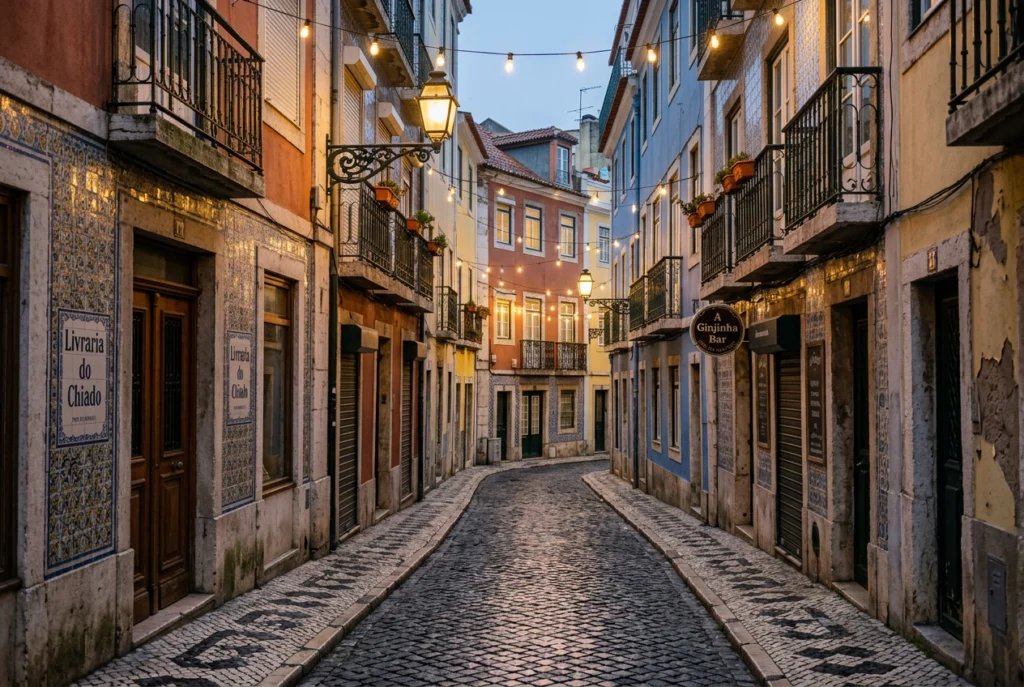
Both Porto and Lisbon are excellent, but which one feels “nicer” depends on whether you prefer a compact, walkable city with a powerful river presence (Porto) or a larger, more cosmopolitan capital with a mix of neighborhoods and nightlife (Lisbon). Porto tends to feel more intimate, with the Douro River and its bridge views, while Lisbon offers a broader spread of districts, from the tram-lined Alfama to the modern riverside area by Parque das Nações.
Quick Answer: Porto is often nicer if you want a smaller, walkable city with strong river atmosphere, historic feel, and easy side-trip access to the Douro Valley, while Lisbon is better if you prefer a larger, more varied capital with more museums, nightlife, and tram-carried old-town vibes. For most first-time visitors, Lisbon is more logistically flexible, but Porto is frequently more atmospheric and easier to explore on foot.
In my own experience, arriving in Lisbon in late April felt like stepping into a layered city: the Miradouros, the tram up to Alfama, the riverfront strip by Cais do Sodré, and then the modern side around the Gare do Oriente. By contrast, when I stayed in Porto in June, I could walk from the Ribeira to the Dom Luís I Bridge, then down to the riverfront restaurants and still feel like I had only scratched a small, highly concentrated part of the city.

From a practical standpoint, Lisbon is usually better if you want to combine the city with a day trip to Sintra or Cascais, while Porto is ideal if you’re planning a Douro Valley wine-tasting day or a coastal detour to Figueira da Foz or Nazaré. For a 7–10-day trip, I’d usually recommend starting in Lisbon and then taking the train to Porto, which lets you sample both “vibes” without bouncing back and forth.
| Feature | Lisbon | Porto |
|---|---|---|
| City size | Large, spread out | Compact, walkable |
| Main draw | Alfama, Belém, trams, nightlife | Ribeira, Douro views, wine cellars |
| Day-trip options | Sintra, Cascais, Setúbal | Douro Valley, Braga, coastal towns |
| Best season | April–May, September–October | Late May–June, September |
| Crowd level (summer) | Very high | High |
| Budget | Slightly higher than Porto | Slightly lower than Lisbon |
| First-time priority | ✓ More varied itinerary options | ✓ More atmospheric, easier to explore |
What is the best month to go to Portugal?
The best month to go to Portugal depends on what you’re prioritizing, but for most travelers April, May, early June, September, and early October all qualify as strong contenders. If you want mild weather, fewer crowds, and low rain, April–May is usually the sweet spot; if you care more about beach conditions and reliable warmth, September is often the top choice.
Quick Answer: The best month to visit Portugal overall is either May or September, with April and early June as close runners-up. In May you get comfortable temperatures, greener landscapes, and fewer crowds, while in September you enjoy reliably warm days, pleasant sea temperatures, and slightly lower prices than July–August.
For city-focused trips—Lisbon, Porto, Coimbra, or Fátima—April and May are excellent months because you can walk for hours without overheating and still find most restaurants and shops open. When I visited Lisbon in late April, I could cover the Baixa, Chiado, and Alfama in one long day, zoom over to Belém for the Jerónimos Monastery, and still stand at a miradouro at sunset without feeling fried.
If you’re mainly targeting the Algarve beaches, September edges ahead of May because the sea is warmer and the UV is still high, though July and August offer the most consistent beach conditions at the cost of peak crowds and prices. For hikers or walkers in the Douro Valley, Gerês, or Serra da Estrela, June or even late September is more comfortable than mid-summer heat, especially if you start early in the morning.
What is the weather like in Portugal by month or season?
Portugal’s weather changes gradually by season, with spring and fall being the most pleasant overall, summer being hot and dry in the south, and winter being cool and wetter in the north. In Lisbon, average highs climb from roughly 16–18°C (61–64°F) in April to 26–29°C (79–84°F) in July–August, then drop back to 20–22°C (68–72°F) in September–October.
Quick Answer: In Portugal, spring (March–May) is mild and increasingly sunny, summer (June–August) is hot and dry along the coast, fall (September–October) is warm with cooling evenings, and winter (November–February) is cool and rainier, especially in the north. Coastal areas like Lisbon and the Algarve stay relatively mild, while mountain regions and the interior can get chilly at night.
Spring brings long days, fewer raindrops, and more flowers, which makes it ideal for sightseeing and walking around cities like Lisbon or Porto. Summer is great if you want strong beach days in the Algarve, but it can feel overwhelming in the cities during the afternoon, which is why many locals retreat to the shade or the coast.
Fall is often underrated: September–October days remain warm enough for cafés and beaches, while evenings are cooler and more comfortable for exploring. Winter brings the lowest temperatures and more frequent rain, especially in the north, but even in December you can still find sunny stretches in Lisbon and the Algarve, which is why short-stay city-focused trips can still work well in the off-season.
| Season | Months | Avg Temp (Lisbon) | Crowds | Prices | Best For |
|---|---|---|---|---|---|
| Spring | Mar–May | 15–22°C (59–72°F) | Low–Moderate | Moderate | Sightseeing, hiking, festivals |
| Summer | Jun–Aug | 24–30°C (75–86°F) | Very High | High | Beaches, outdoor events |
| Fall | Sep–Oct | 20–25°C (68–77°F) | Moderate | Moderate | Beaches + sightseeing combo |
| Winter | Nov–Feb | 10–16°C (50–61°F) | Low | Low | Budget city trips, museums |
What should travelers know before going to Portugal?
Before going to Portugal, travelers should know that the country is generally safe and easy to navigate, but weather, language, and seasonal expectations can catch newcomers off guard. Portugal is friendly to English speakers in tourist areas, tipping is not mandatory but is common in nicer restaurants and cafés, and public transport is solid between major cities but spottier in rural areas.
Quick Answer: Travelers should know that Portugal is safe and well-connected, but local temperaments, weather, and transport vary by region. Expect warm hospitality, some language gaps outside big cities, and the need to plan for shorter days and cooler nights in winter. Also be aware that coastal areas can feel surprisingly chilly when the wind picks up, even if the air temperature reads pleasantly.
One thing that surprised me on my first trip to the Algarve was how quickly the sea feels cold in the morning, even in late summer, when the air already reads 25°C (77°F). I ended up renting a simple wetsuit for a few days of snorkeling, which made the experience far more enjoyable than trying to tough it out in cold water in a thin T-shirt. The practical takeaway: even in “perfect” beach months, bring a light cover-up or quick-dry layer for the first hour by the sea, and don’t assume the water will feel like a Mediterranean pool.
Portugal is also deceptively compact via train and bus, but driving in the north or on steep coastal roads can feel slower than you expect, especially if you’re used to wide highways. When I rented a car in Porto to hit the Douro Valley in June, I underestimated how narrow some bridges and mountain stretches can be, which turned a planned three-hour drive into a four-hour experience. The lesson: if you’re short on time, buy a train pass between Lisbon–Porto and leave the rental car for smaller, slower-paced legs.
When should you visit Portugal to avoid crowds?
You should visit Portugal to avoid crowds in late April, early June, September, and October, as well as in the shoulder-winter months (November–March) when tourism demand drops sharply. These windows let you see Lisbon’s tram lines, Porto’s riverfront, and the main Algarve beaches with noticeably shorter lines and fewer day-trippers from cruise ships.
Quick Answer: To avoid crowds in Portugal, visit in late April, early June, September, or October, or in the winter months from November to March. You’ll get fewer lineups at major sights, calmer restaurants, and roomier beaches, but you may trade some perfect beach weather or high-season events for a quieter, more relaxed trip.
If you’re targeting specific cities, timing matters a lot. In Lisbon, avoiding the first two weeks of July and August, plus Easter week and major summer festivals, can spare you the most intense crush at the castles, miradouros, and tram lines. When I stayed in Lisbon in early October, I could walk freely through the Alfama alleys, get a seat at the São Jorge Castle café, and even snap a photo without a dozen heads in the frame—a luxury I didn’t have four months earlier in July.
What is the best time to visit Portugal for beaches, hiking, sightseeing, or festivals?
The best time to visit Portugal for beaches, hiking, sightseeing, and festivals depends heavily on your priorities, because the ideal window for each activity is slightly different. For most travelers, that means stacking your trip so one main activity drives the timing and the others follow, rather than trying to “perfect” all four at once.
Quick Answer: The best time to visit Portugal for beaches is late June to September in the Algarve, for hiking early to mid-year in spring and early fall, for general sightseeing April–May and September–October, and for festivals May–July in cities like Lisbon and Porto. If you must pick one compromise month, September neatly balances beach conditions, pleasant hiking weather, manageable sightseeing crowds, and late-summer festival spillover.
For beaches, the Algarve is best from late June through September, when sea temperatures are warmest and the sun is strongest. July and August bring the most reliable beach days but also the highest crowds and prices, so if you want space to yourself, aim for September or early October, when water is still warm and many schools have already gone back. See also: Lonely Planet Algarve timing guide. Northern beaches around Porto and the Silver Coast can feel cool and breezy even in July, so if you’re sensitive to cold water, plan more beach-focused days in the south.

If hiking is your main goal, spring (March–May) and early fall (September–October) are ideal because daytime temperatures are mild and the risk of overheating in the Douro Valley, Serra da Estrela, or Peneda-Gerês is lower. In June and even early September you can still hike comfortably, but you’ll want to start early in the morning to avoid the heat. For a sample itinerary, I’d pair a few days of hiking in Gerês or the Douro with a city base in Porto or Lisbon, then slide into the Algarve for a final stretch of beach in late September.
For sightseeing in cities like Lisbon, Porto, Coimbra, and Évora, April–May and September–October usually feel the most comfortable because you can walk miles without overheating, and most museums and churches stay open. Summer sightseeing is possible, but the heat and crowds can wear you down, especially if you’re not used to lots of sun. If you’re only planning a short trip, prioritize those shoulder months and save mid-summer for a longer, more relaxed itinerary.
Best time to visit Portugal by region
The best time to visit Portugal shifts subtly depending on whether you’re in Lisbon, Porto, the Algarve, the Douro Valley, or the islands. Using the same “best month” for every region can lead to awkward weather bets or over-booked trips, so it helps to map your dates to your chosen destinations.
Lisbon and central-coast cities
For Lisbon, Sintra, Cascais, and nearby coastal towns, the best time to visit Portugal is April–May and September–October. These months give you comfortable temperatures for walking up the hills, exploring Sintra’s castles, and walking the promenade in Cascais without the mid-day heat of July–August. If you’re planning a short city-focused trip, spring (April–May) is often the most balanced choice, while September leans better if you want to add a beach day in nearby Setúbal or Troia.
Porto and northern Portugal
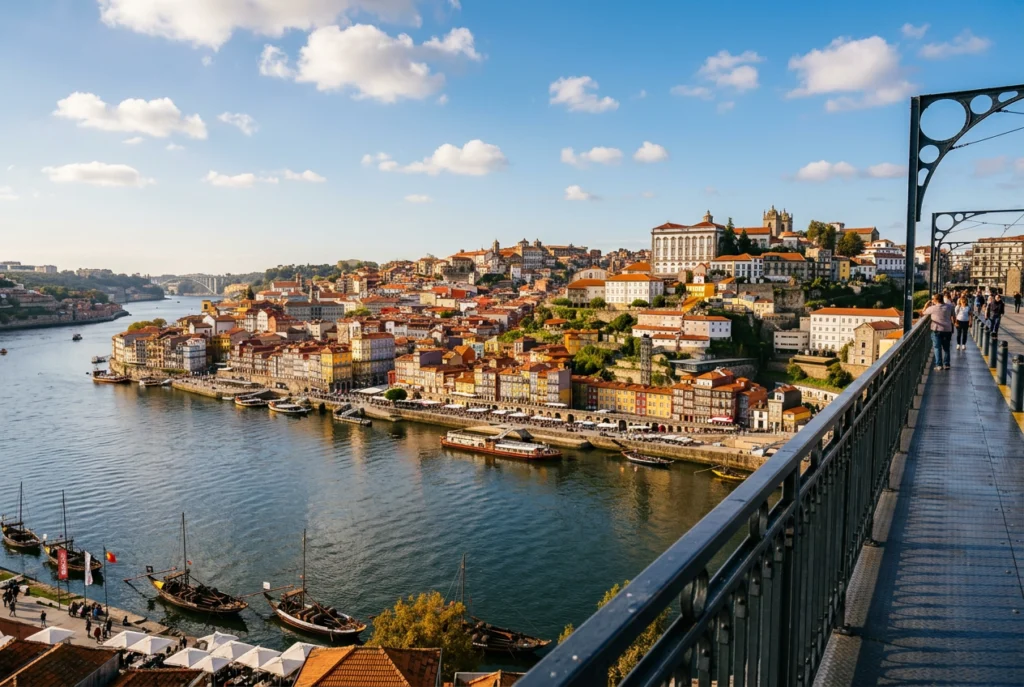
For Porto and the north, the best time to visit Portugal is late May–June and September, when temperatures are mild and rain is less frequent than in winter. Rain can fall any month in Porto, but November–February bring the highest totals, so if you’re sensitive to gray days, avoid those months unless you’re laser-focused on cafés, museums, and river views. When I explored Porto in late June, I could walk the Ribeira, take the cable car up to the vista, and boat-cruise the Douro in one long day without feeling overwhelmed by heat, which is harder to manage in August.
Algarve and southern beaches
For the Algarve and the southern coast, the best time to visit Portugal depends on whether you care more about crowds or water temperature. June–September is the core beach season, with August bringing the warmest sea and most intense sun, while September offers warm water and fewer people. If you want to combine beach time with some hiking or sightseeing, late June or September is usually the best balance.
Douro Valley and inland regions
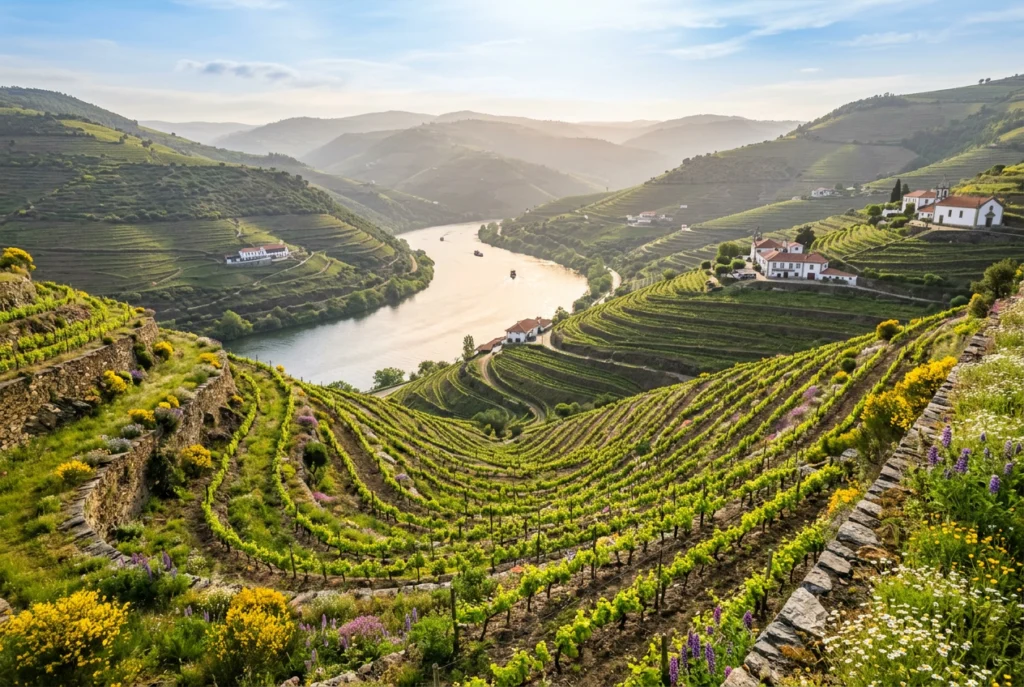
For the Douro Valley and other inland regions, the best time to visit Portugal is late spring to early fall (May–September), when vineyards are lush and wine-touring is at its peak. Summer can get hot inland, so plan cruises and tastings for early morning or late afternoon, and bring a hat and sunscreen. If you’re hiking around the Douro or Serra da Estrela, April–May or September–October keep temperatures in a more comfortable range.
Madeira and the Azores
For Madeira and the Azores, the best time to visit Portugal is year-round, but April–October is usually the most comfortable for outdoor activities and sightseeing. Madeira’s climate is especially mild, with warm seas in summer and fewer crowds in spring and fall. The Azores, being more exposed, can feel wet and windy in winter, but mid-year offers great hiking and whale-watching conditions.

Common mistakes to avoid
Many travelers make the same predictable mistakes when choosing the best time to visit Portugal, which can cost them money, comfort, or even a good photo. Being aware of these ahead of time helps you pick a better month and plan more realistically.
1. Booking July–August just “because it’s summer”
Assuming July–August is automatically the best time to visit Portugal leads to overpriced hotels, crowded beaches, and sweaty sightseeing days. July and August are often the worst months for value and comfort, unless you’re specifically targeting beach-heavy itineraries and have a high tolerance for crowds. The better move is to pick June or September instead, or to book well in advance if you must travel in peak season.
2. Ignoring regional differences
Lumping Portugal into a single “best month” ignores the fact that Lisbon, Porto, and the Algarve can feel very different in the same calendar week. For example, July in Porto can feel rainy and gray while the Algarve bakes in the sun. Plan your base city and region first, then align your dates to that area’s ideal window instead of a generic “best time to visit Portugal” guide.
3. Over-scheduling in hot weather
Trying to pack Lisbon, Sintra, Cascais, the Algarve, and Porto into one week in July or August is a recipe for exhaustion and disappointment. The heat and travel time add up quickly, especially if you’re walking a lot. A smarter approach is to focus on one or two regions per trip and leave room for downtime, especially in the afternoon.
4. Not booking key experiences in advance
Assuming you can book boat tours, Douro cruises, or festival-season events on the spot in Lisbon or Porto can leave you with empty calendars. Popular excursions and tables in the Algarve and Douro Valley sell out weeks ahead, especially in summer. To avoid disappointment, book at least your main cruises, guided tours, and top-choice restaurants a few weeks in advance.
5. Taking the “cheapest month” blindly
Choosing only the cheapest month to visit Portugal (typically November–March) without considering weather and daylight can backfire if you want to spend most of your time outdoors. Winter brings lower prices but also more rain and shorter days, so it suits city-focused travelers more than beach-lovers. If you’re budget-conscious, aim for shoulder-season months like April or late October, where you still get good weather and somewhat lower prices.
Your Best Time to Visit Portugal — By Priority
The best time to visit Portugal is April–May and September–October, with June and early October as strong alternatives depending on your priorities. These months tend to offer the best balance of comfortable temperatures, manageable crowds, and reasonable prices across Lisbon, Porto, and the Algarve.
If you want mild weather and fewer crowds, lean toward April or May and keep your days flexible for rain-threatening mornings. If you want reliable beach weather and are okay with some extra people, aim for September and early October, especially along the southern coast. For budget-conscious travelers, November–March can be smart for city-focused trips, but they’re less ideal if you’re planning a lot of beach or hiking days.
No matter when you go, grounding your trip in a specific region—Lisbon, Porto, or the Algarve—as your main base will make the “best time to visit Portugal” decision far more concrete. For seasonal timing across other destinations, visit our best time to travel guide.
C. FAQ SECTION
Q: What is the best time to visit Portugal for a first-time trip?
A: For a first-time trip, the best time to visit Portugal is April–May or September–October, when weather is comfortable, crowds are moderate, and days are long enough for sightseeing. These months work well if you plan to split your time between Lisbon and Porto, and possibly add a short beach stay in the Algarve. If you’re on a tight schedule, prioritize April–May for milder conditions and fewer day-trippers.
Q: Is March a good time to visit Portugal?
A: March can be a good time to visit Portugal if you don’t mind occasional rain and cooler evenings, especially in the north. In Lisbon, temperatures are mild but not yet summer-like, and you’ll often find thinner crowds and lower prices than in April–May. It’s a solid choice if your main focus is cities and museums rather than beach time, but be prepared for a mix of sunny and gray days.
Q: What is the best time to visit Portugal for beaches?
A: The best time to visit Portugal for beaches is June–September, particularly in the Algarve, when sea temperatures are warmest and sunshine is most reliable. August offers the peak beach experience but also the most people and higher prices. If you want good water and fewer crowds, aim for September or early October.
Q: When is the cheapest time to travel to Portugal?
A: The cheapest time to travel to Portugal is November–March, especially January and February, when flights and hotels drop to their lowest prices. These months are best for budget travelers who prioritize city breaks, museums, and cafés over perfect beach days. You can also find good deals in late October or early November, when tourism slows after summer.
Q: What is the best time to visit Portugal with less tourists?
A: The best time to visit Portugal with fewer tourists is late April, early June, September, and October, plus the winter months November–March. These windows avoid the peak-season crush at Lisbon’s castles, Porto’s riverfront, and the main Algarve beaches. For a quieter city experience, November–March is excellent, though you’ll trade some sun for lower prices and smaller crowd sizes. For beach-focused trips, stick to September or early October when visitor numbers thin but water temperatures remain comfortable.
Q: What is the best time to visit Portugal for hiking?
A: Spring (March–May) and early autumn (September–October) are ideal for hiking in Peneda-Gerês, the Douro Valley, and Serra da Estrela. Summer heat in inland areas can exceed 35°C, making long hikes uncomfortable. Late May and early June offer the most pleasant trail conditions with green landscapes before the dry season.
Q: What should travelers know before going to Portugal?
A: Portugal is safe and easy to navigate, but a few things surprise first-timers. English is widely spoken in cities but less common in rural areas. Tipping is appreciated but not mandatory — 5–10% in restaurants is standard. Train connections between Lisbon and Porto are excellent, but rural exploration requires a rental car. Coastal water temperatures feel colder than Mediterranean beaches due to Atlantic currents, even in summer — pack a light cover-up for extended swimming sessions.
Q: What is the best time to visit the Algarve?
A: June and September are the best months for the Algarve — warm temperatures, sea reaching 20–21°C (68–70°F), and noticeably fewer people than in July–August. Early October is excellent for sightseeing and coastal walks. Avoid August if crowd-sensitive — it’s peak season with the highest prices and visitor volumes of the year.