Best Time to Travel to Italy And the Months Most Guides Get Wrong
Last updated April 2026
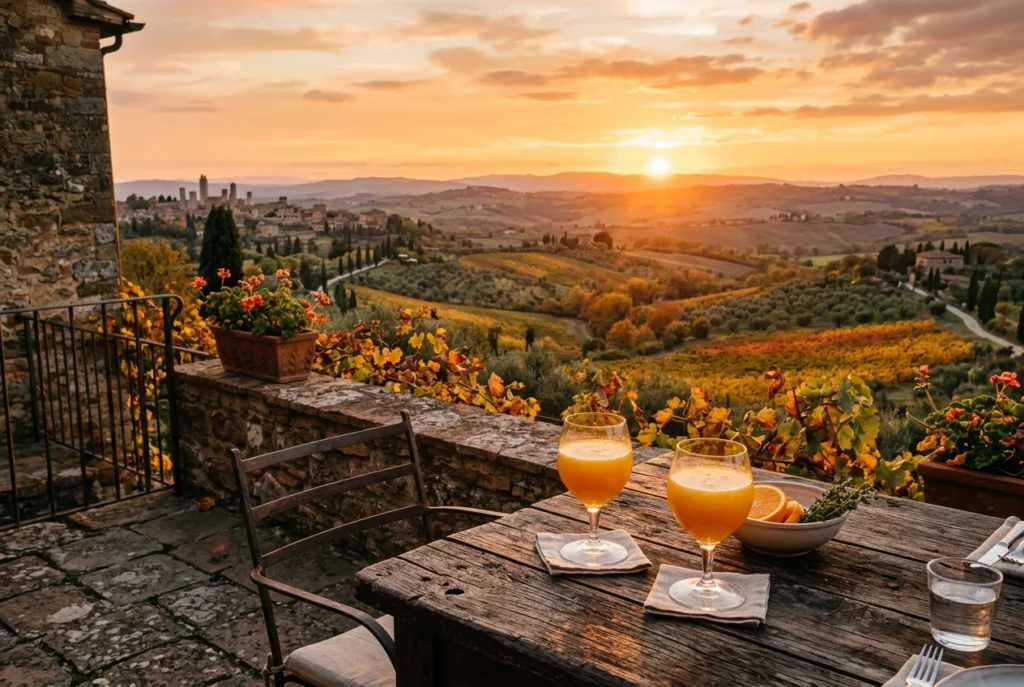
The best time to travel to Italy is September and October, not April through June — and the difference matters more than most guides admit. Spring gets the headlines, but autumn delivers lower hotel rates, harvested vineyards, and crowds that have already thinned at the Colosseum and Vatican Museums. If your window is flexible, shift it toward fall. If you’re locked into summer, this guide tells you exactly what to expect and how to minimize the damage.
April through June remains an excellent second choice. What you should avoid, unless you have a specific reason to go, is the July–August window — not because Italy is bad then, but because the tradeoffs are steep and rarely worth it for first-time visitors.
Table of Contents
Best Time to Travel to Italy: Season-by-Season Breakdown
Italy’s seasons don’t behave uniformly across the country. Sicily in November is mild and open; the Cinque Terre in August is genuinely difficult to enjoy. The table below matches traveler type to the season that will actually serve them.
| Traveler Profile | Best Season | Budget Level | Primary Priority |
|---|---|---|---|
| Couples (romance, food) | Autumn (Sept–Oct) | Mid-range to luxury | Atmosphere, fewer crowds |
| Families | Late Spring (May–June) | Mid-range | Weather reliability, attractions open |
| Solo backpackers | Winter (Nov–Feb) | Budget | Low prices, city access |
| Luxury travelers | Peak Summer or Christmas | Luxury | Full-service availability |
| Food and wine tourists | Autumn (Oct–Nov) | Mid-range to luxury | Harvest season, truffle festivals |
| Hikers (Dolomites/Cinque Terre) | Late Spring (May–June) | Mid-range | Trails open, mild temps |
| Skiers | Winter (Dec–March) | Mid-range to luxury | Snow conditions, resort access |
| Cultural sightseers | Spring (April–May) | Mid-range | Manageable queues, pleasant temps |
Contrarian note: Most competitor guides treat April–June and September–October as interchangeable. They are not. Spring carries higher rainfall in northern Italy and the risk of Easter crowds spiking prices unpredictably. Autumn is more consistently dry in central and southern regions, and October in particular hits a sweet spot that spring rarely matches.
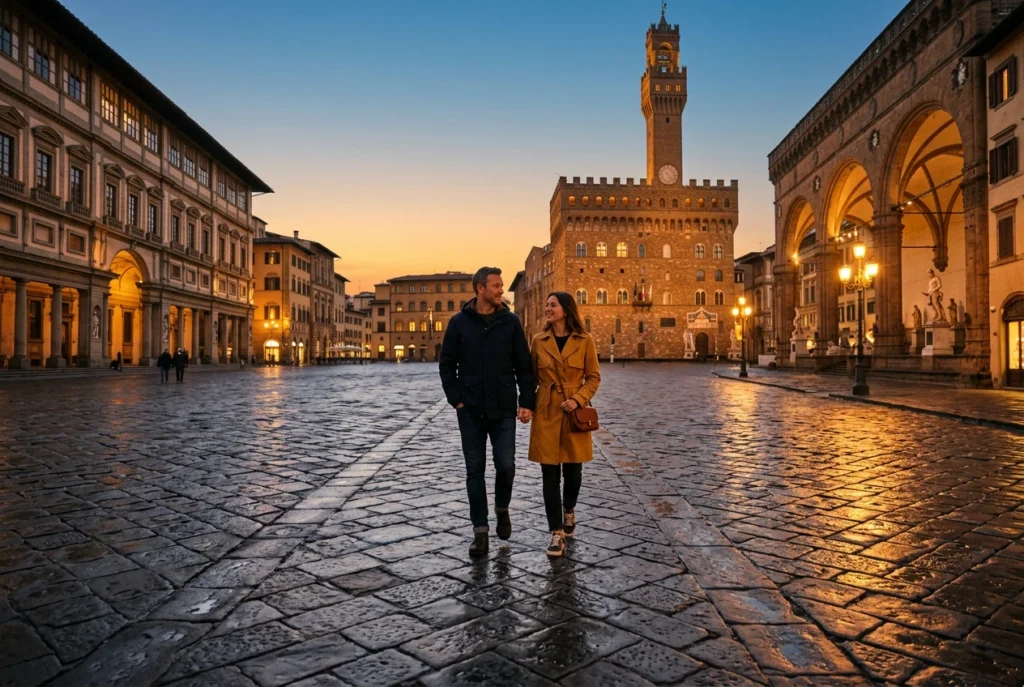
Italy Weather by Month
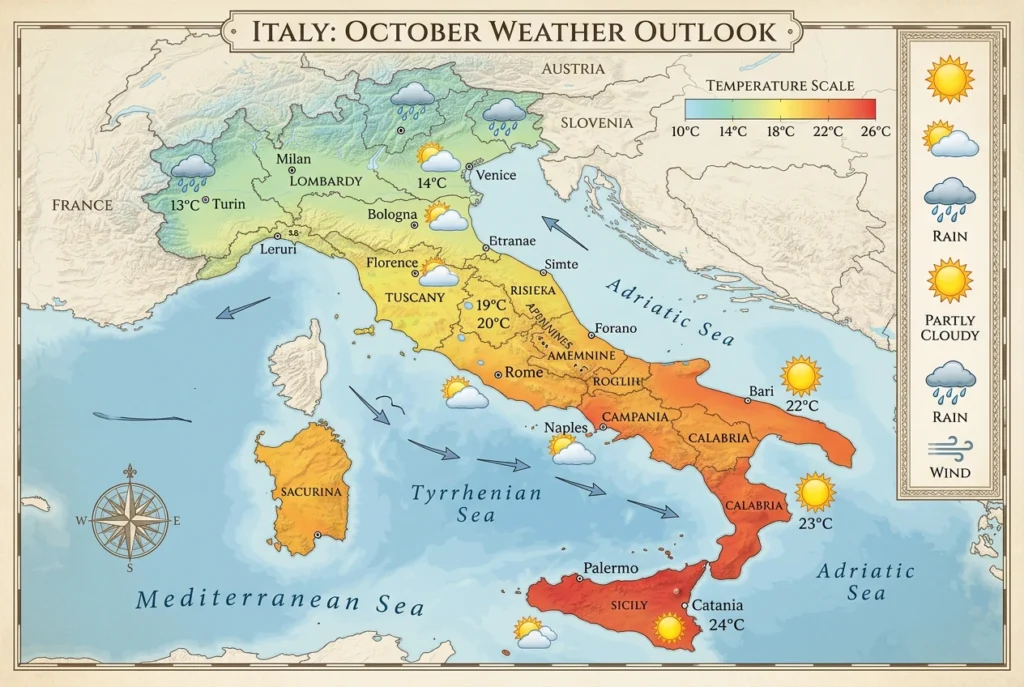
| Month | Avg Temp (°C / °F) | Rainfall | Crowd Level | Price Tier | Best For |
|---|---|---|---|---|---|
| January | 3–10°C / 37–50°F | Low–Moderate | Very Low | Budget | Ski resorts, Christmas market tail, city museums |
| February | 4–12°C / 39–54°F | Low–Moderate | Low | Budget | Carnevale in Venice, quiet city exploration |
| March | 7–15°C / 45–59°F | Moderate | Low–Moderate | Budget–Mid | Early spring hiking, fewer queues at major sites |
| April | 11–18°C / 52–64°F | Moderate | Moderate–High | Mid | Blooming countryside, Easter (book early) |
| May | 15–23°C / 59–73°F | Low–Moderate | Moderate | Mid | Cinque Terre hiking, Tuscany wine region, all attractions open |
| June | 19–27°C / 66–81°F | Low | Moderate–High | Mid–High | Beach season starts, long daylight, sightseeing |
| July | 23–32°C / 73–90°F | Very Low | Very High | Peak | Beaches, outdoor festivals — heat and crowds are real |
| August | 22–31°C / 72–88°F | Very Low | Peak | Peak | Amalfi/Sardinia beaches — Ferragosto closures mid-month |
| September | 18–27°C / 64–81°F | Low | Moderate | Mid–High | Best overall balance — warm, drier, thinning crowds |
| October | 13–22°C / 55–72°F | Moderate | Low–Moderate | Mid | Wine harvest, truffle season, value sweet spot |
| November | 8–15°C / 46–59°F | Moderate–High | Very Low | Budget–Mid | Southern Italy still mild, agriturismo stays, quiet cities |
| December | 4–12°C / 39–54°F | Moderate | Low–Moderate | Mid (spikes at Christmas) | Christmas markets in Milan/Bolzano, festive Rome |
What Is the Cheapest Month to Go to Italy?
Quick Answer: January and February are consistently the cheapest months to travel to Italy. Flights and hotels run 30–50% below shoulder season rates, and major cities like Rome and Florence are accessible with minimal queuing. Budget travelers who can handle cold temperatures and occasional closures will find the best value in these two months.
January offers the lowest overall price floor for Italy travel. Hotels near the Colosseum and Uffizi Gallery that run €180–€250 per night in peak season regularly drop to €90–€130 in January. Flights from major European hubs follow a similar pattern.
The tradeoff is real: some coastal restaurants and smaller Amalfi towns close entirely from November through March. Agriturismo properties in rural Tuscany often pause operations. If your plan centers on beach access or countryside dining, January is the wrong call. But for Rome, Florence, Venice, and Milan — all fully operational — winter delivers the best price-to-experience ratio of the year.
February edges slightly higher due to Carnevale in Venice, which draws international visitors and spikes accommodation prices in the Veneto region for roughly two weeks. Book Venice in January or after mid-February if budget is the priority.
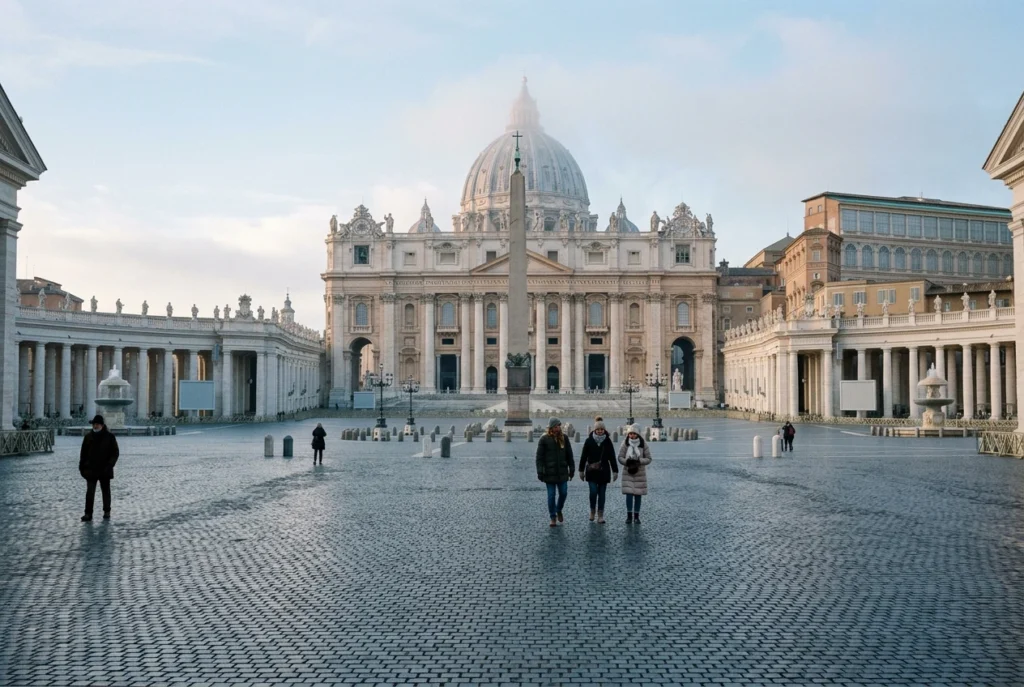
From my own experience: I visited the Vatican Museums on a Tuesday morning in January 2025. While I expected some quiet, I was genuinely surprised to walk through the Sistine Chapel at my own pace, able to stand and appreciate the ceiling without the usual shoulder-to-shoulder press of visitors. The difference from a June visit was night and day.
What Is the Best Month to Visit Italy for Good Weather?
Quick Answer: May and September are the best months to visit Italy for reliable weather. May offers 15–23°C (59–73°F) temperatures with low rainfall across most regions. September maintains summer warmth at 18–27°C (64–81°F) while crowds begin to thin. Both months give you outdoor access without the heat stress of July and August.
May is the strongest spring month for weather reliability. Northern Italy — including Lake Como and the Dolomites — has dried out from the March–April wet period, and southern regions are warm without being punishing. Hiking trails in Cinque Terre are open and manageable. The Amalfi Coast is swimmable from late May onward.
September is the mirror image on the autumn side, and arguably more consistent. Rainfall is low across Tuscany, Umbria, and the south. Sea temperatures remain warm enough for swimming through most of the month. And the crowds that made August difficult have largely cleared.
One practical note: “good weather” in Italy is regional. Rome in May averages around 20°C (68°F) — comfortable for sightseeing. Sicily in the same month sits closer to 24°C (75°F). The Dolomites in May can still see frost at elevation. Define your destination before you lock in a month.
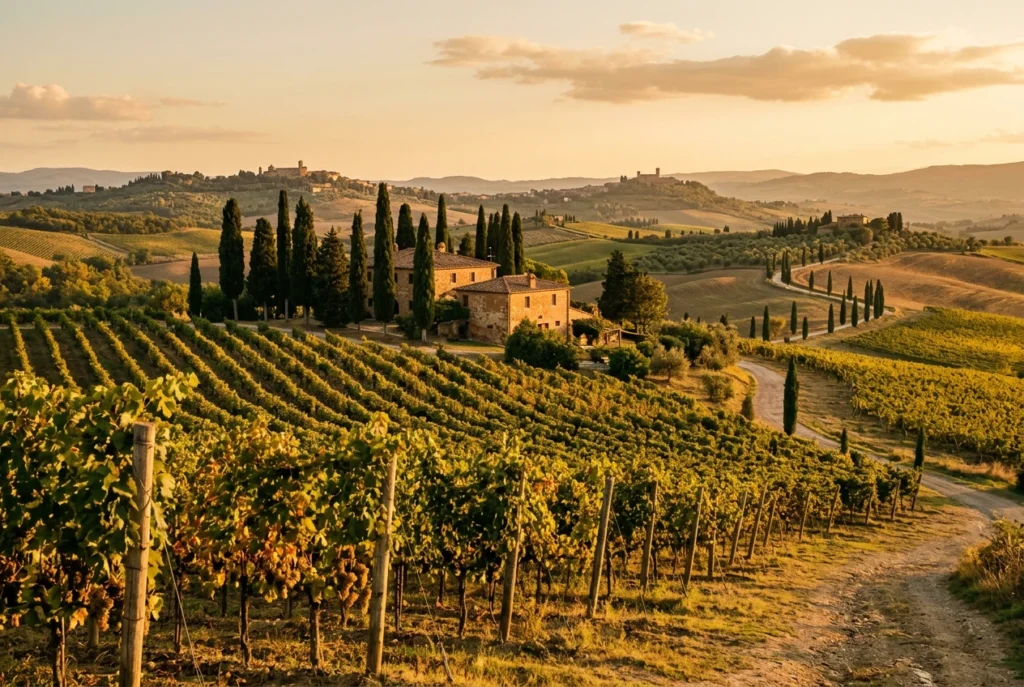
A personal anecdote: Hiking the reopened Via dell’Amore in Cinque Terre in May 2024 was a highlight. The temperature was a perfect 21°C (70°F) with a light sea breeze—warm enough for a t-shirt but cool enough for an energetic walk. The clarity of the light over the Ligurian Sea that day was something you simply don’t get in the hazy peak summer heat.
[image: hikers on a Cinque Terre coastal trail in May, clear blue Ligurian Sea below, wildflowers on the path edges, bright midday light, small group visible ahead, 3:2, realistic]
What Is the Worst Time to Visit Italy?
Quick Answer: August is the worst month for most travelers to visit Italy. Temperatures exceed 30°C (86°F) in Rome and the south, prices peak across all accommodation categories, and Ferragosto (August 15) triggers widespread business closures. The combination of extreme heat, maximum crowds, and limited local services makes August the hardest month to enjoy Italy efficiently.
The Ferragosto problem is specific and worth understanding. August 15 is a national holiday, and many Italian-owned restaurants, shops, and smaller hotels close for one to three weeks around it. Tourists are everywhere; locals have largely left for the coast. The result is a version of Italy that feels curated for mass tourism rather than authentic experience.
Rome in August is particularly challenging. Surface temperatures on ancient stone sites like the Colosseum can make midday sightseeing genuinely uncomfortable. The Uffizi Gallery in Florence runs long queues even with advance booking. Venice in August smells — the canals in peak heat are not the romantic image the city markets.
I learned this the hard way: In August 2023, I had a reservation at a highly-recommended trattoria near the Pantheon in Rome, only to arrive and find a handwritten “Chiuso per Ferie” sign on the door. The restaurant, Armando al Pantheon, was closed for its annual holiday. It was a stark reminder that even iconic, centrally-located spots adhere to the Ferragosto tradition, and backup plans are essential.
The one exception: if beaches are your only goal, the Amalfi Coast and Sardinia in late July or early August deliver exactly what they promise. Lido di Positano and the waters off Sardinia’s Costa Smeralda are spectacular in summer. Just price it accordingly and book accommodation three to six months in advance.
Getting There and Around
Flying in: Rome’s Fiumicino (FCO) and Milan’s Malpensa (MXP) handle most international arrivals. Venice Marco Polo (VCE) and Naples Capodichino (NAP) are efficient entry points for the northeast and south respectively. Budget carriers connect many European cities directly to smaller airports including Catania (Sicily) and Bari (Puglia).
Trains: Trenitalia and Italo operate high-speed rail between Rome, Florence, Venice, Milan, and Naples. The Rome–Florence run takes 90 minutes on the Frecciarossa. Book in advance — especially for May, September, and holiday weekends — as prices rise significantly closer to departure.
Regional transport: Buses serve the Amalfi Coast (SITA Sud) and rural Tuscany where trains don’t reach. Car rental makes sense for agriturismo stays and wine region exploration in Chianti or Piedmont, but is actively counterproductive in Rome, Florence, and Venice.
Schengen entry: Most non-EU visitors need to track their 90-day Schengen allowance. Italy does not have its own visa category — check your passport’s Schengen history before booking.
Where to Stay
Budget: B&Bs and hostels in Rome’s Trastevere neighborhood and Florence’s Oltrarno district offer the best value outside peak months. Expect €40–€80 per night in January–March.
Mid-range: Locally owned alberghi (small hotels) throughout Tuscany and Umbria deliver character without boutique hotel pricing. Agriturismo stays — working farm accommodations — are excellent value in October during harvest season, typically €100–€160 per night with breakfast.
Luxury: Hotel Hassler in Rome (overlooking the Spanish Steps) and Le Sirenuse in Positano are the reference properties for high-end travelers. Both operate at full capacity in summer and offer a more attentive experience in shoulder season when occupancy drops. Le Sirenuse closes in winter — plan accordingly.
Top Things to Do by Season
Spring (April–June): Hiking the Cinque Terre trails before summer heat sets in. Wine tasting at Antinori nel Chianti Classico in Tuscany, where the estate opens its cellars through the season. Visiting the Colosseum and Vatican Museums in May before June crowds build. Easter in Rome is spectacular but requires booking accommodation three to four months ahead.
Summer (July–August): Beach focus — Sardinia’s Costa Smeralda, the Amalfi Coast, and Sicily’s Taormina coastline. Outdoor opera festivals and open-air cinema in Rome. Avoid heavy sightseeing in the midday heat; shift museum visits to morning openings.
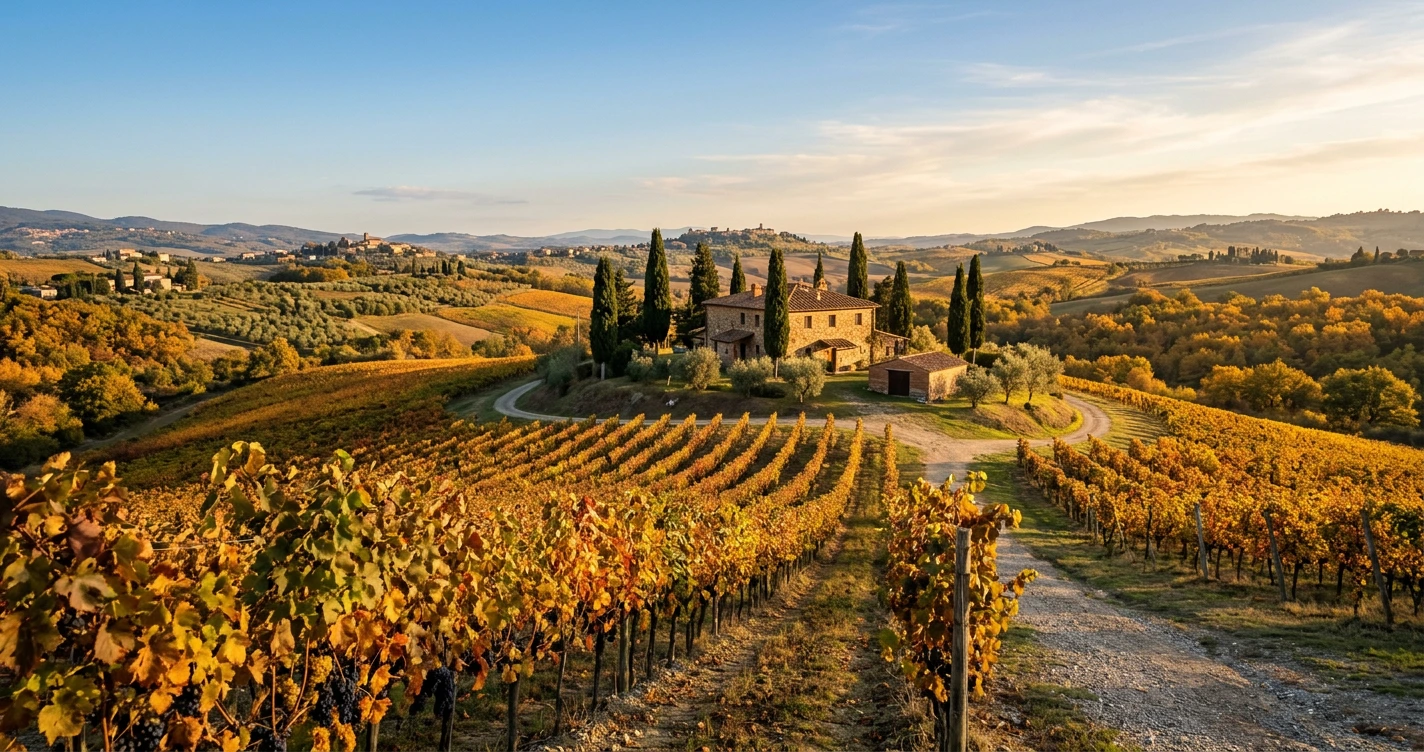
Autumn (September–October): Wine harvest in Tuscany and Piedmont — the Barolo and Barbaresco regions peak in October. White truffle season in Alba (Piedmont) runs October through December, with the Alba Truffle Fair drawing serious food travelers. Hiking in the Dolomites remains accessible through mid-October before snow closes higher trails.
Winter (November–March): Skiing in Val Gardena and the broader Dolomites ski area from December. Christmas markets in Bolzano and Milan through late December. Carnevale in Venice in February — one of the few winter events that justifies peak-adjacent pricing. City sightseeing in Rome and Florence at its most relaxed.
Season Comparison Table
| Season | Weather | Crowds | Price | Best For |
|---|---|---|---|---|
| Spring (Apr–Jun) | Mild, some rain in April | Moderate to High | Mid to High | Sightseeing, hiking, countryside |
| Summer (Jul–Aug) | Hot, dry | Peak | Peak | Beaches, festivals |
| Autumn (Sept–Oct) | Warm to mild, low rain | Low to Moderate | Mid | Best overall value, food/wine |
| Winter (Nov–Mar) | Cold, some rain | Very Low | Budget to Mid | Cities, skiing, Christmas markets |
Common Mistakes to Avoid
Booking Rome in August without a plan for the heat. Midday temperatures regularly exceed 32°C (90°F). If you’re going in summer, structure days around early morning and evening activity with a midday break built in — not optional.
Treating Easter like a normal April week. Easter in Italy drives prices up sharply across Rome, Florence, and Venice. If your spring dates include Easter weekend, either book four months out or shift your arrival by a week.
Assuming shoulder season means everything is open. October is excellent, but some Amalfi Coast restaurants close after mid-October, and ferry services to smaller islands reduce frequency. Verify specific properties and routes before finalizing plans.
Underestimating Ferragosto. August 15 and the surrounding week catch many first-time visitors off guard. Restaurants you planned to visit may simply be closed. Build flexibility into any August itinerary.
Skipping advance booking for trains. Trenitalia’s Frecciarossa tickets at the cheapest fare class sell out weeks ahead for popular routes in May, June, and September. Book rail alongside accommodation, not as an afterthought.
Conclusion
September and October remain the single strongest window for most travelers going to Italy — warm enough for everything, priced below summer, and genuinely less crowded at the sites that matter. Spring is the right call if you need school-year compatibility or want to hike before summer heat locks in. Winter works if budget is the priority and cities are the focus.
Whatever your window, book trains and major site tickets before you land. Italy rewards preparation more than spontaneity, especially at peak-adjacent times.
Explore more on ChillTraveling:
- Read our article → Best Time to Travel in 2026: By Goal, Season & Destination
- Read our article → When Is the Best Time to Visit Portugal in 2026?
- Read our article → The Best Travel Destinations in Greece for Every Type of Trip
Reserve your tickets → Trenitalia official booking and schedules.
C. FAQ SECTION
Q: When is the absolute best month to visit Italy overall?
A: October is the single best month for most travelers. Temperatures across central Italy sit between 13–22°C (55–72°F), summer crowds have thinned considerably, and hotel rates drop 20–35% below August peaks. It also coincides with the wine harvest in Tuscany and Piedmont and the start of white truffle season in Alba — making it the strongest month for food and wine travelers specifically.
Q: Is Italy worth visiting in winter?
A: Yes, for specific purposes. December through February is ideal for skiing in the Dolomites and Val Gardena, visiting Christmas markets in Bolzano and Milan, and exploring Rome and Florence without queues. January and February offer the lowest prices of the year. The tradeoff is that coastal towns and some rural properties close, and southern beach destinations offer little in these months.
Q: How far in advance should I book Italy in peak season?
A: For July and August travel, book accommodation three to six months ahead — especially for the Amalfi Coast, Cinque Terre, and Venice. Trenitalia Frecciarossa tickets at base fares sell out weeks in advance on the Rome–Florence–Venice corridor. For shoulder season (May, September, October), two to three months is sufficient for most destinations, though popular agriturismi in Tuscany fill quickly in October.
Q: What is the best time to visit Italy for a first-time traveler?
A: May is the most reliable entry point for first-timers. Weather across Rome, Florence, and the north is consistently pleasant at 15–23°C (59–73°F), all major attractions are fully operational, and crowds haven’t yet reached summer levels. It sits in the mid-range price tier, making it more accessible than June or September while offering better conditions than April’s variable rainfall.
Q: Does Italy have a rainy season?
A: Not in the tropical sense, but northern Italy sees its highest rainfall in April and November, and autumn storms can affect the Veneto and Liguria regions. Rome and central Italy are drier overall, with summer being the driest period nationally. October brings moderate rainfall in some years but is generally reliable. The south — Sicily, Puglia, Calabria — is significantly drier year-round and remains mild well into November.
Q: Is August really that bad for Italy travel?
A: For city sightseeing and cultural travel, yes. Rome, Florence, and Venice in August combine peak heat, maximum crowds, and the Ferragosto disruption (mid-August closures). For beach travel on the Amalfi Coast or Sardinia, August delivers exactly what it promises — but at the highest prices of the year and with significant advance booking required. It’s not a bad month; it’s a high-cost, high-effort month that rewards only specific goals.
Q: What’s the best time to visit Italy for wine tasting?
A: October is the best month for wine travel. The harvest is underway in Chianti, Barolo, and Barbaresco country, and many estates open for harvest experiences and tastings that aren’t available at other times of year. The Alba White Truffle Fair runs through October and November, making a combined wine-and-truffle trip in Piedmont one of Italy’s most rewarding autumn itineraries. Spring (May) is the second-best window when estates reopen after winter.
Q: Can I visit the Amalfi Coast in shoulder season?
A: September is the best month for the Amalfi Coast — sea temperatures remain warm, crowds from August have thinned, and prices begin to ease. October is still pleasant but some restaurants and boat services reduce hours or close after mid-month. By November, the coast is quiet and several properties shut entirely. Spring access from May onward is reliable, though the water is cooler for swimming until late May or June.