12 Summer Bucket List Ideas Every College Student Must Try
Most summer bucket list ideas for students read like a lifestyle blog wish list — “try a new recipe,” “start journaling,” “make a playlist.” That’s not a bucket list. That’s a Tuesday. If you have 10 to 14 weeks of freedom and a tight budget, you need ideas that get you somewhere — a different town, a new coastline, a campsite you’ve never slept at. This list skips the filler. Every single idea below involves actual travel, real places, and price ranges that won’t destroy your bank account.
Whether this is your last summer before college or a break between semesters, these are the trips and adventures worth planning right now. Save this, copy it into a Google Doc, and start checking things off.
Table of Contents
1. Road Trip a Forgotten Highway
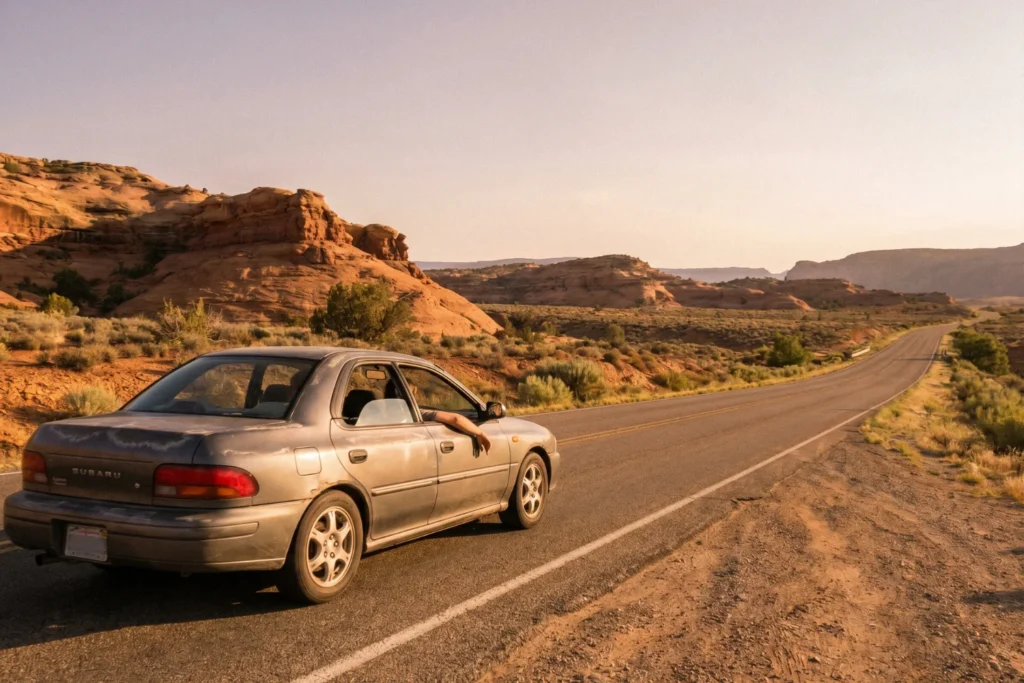
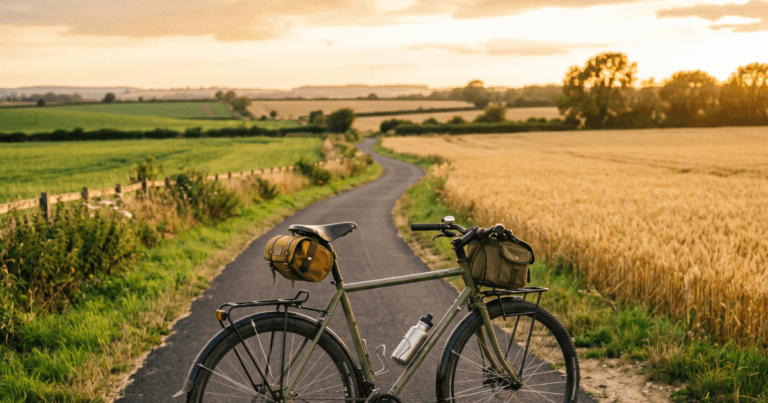
A weekend road trip on a lesser-known route costs less than $150 in gas for most college students splitting with two or three friends, and it delivers better stories than any interstate sprint to a big city. The trick is skipping the obvious highways. U.S. Route 89 through Arizona and Utah, the Natchez Trace Parkway from Mississippi to Tennessee, or Route 1A along coastal Maine — these roads have free overlooks, cheap diners, and almost no traffic in June.
Split gas three ways. Pack a cooler instead of eating out. Sleep in the car at a Walmart lot or book a $25-per-person campsite. If you’ve got three days, you can cover 600–800 miles and still feel relaxed.
Here’s the thing: the competitors listing “go on a road trip” never tell you which road. Pick a route on America’s Byways and commit to it before the end of this week.
“A $50 tank of gas split three ways buys more memories than any online purchase you’ll make this summer.”
The road trip sets the tone — but not everyone has a car. That’s where the next idea comes in.
2. Camp in a National Park for Under $30 a Night
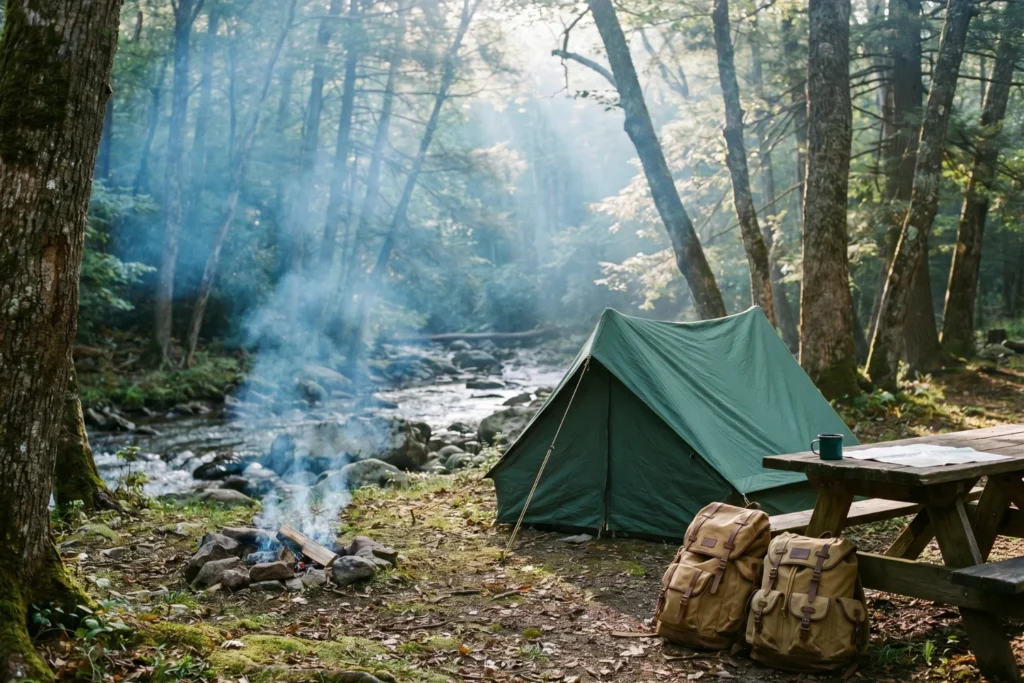
Camping in a U.S. national park averages $15–$30 per campsite per night through Recreation.gov, and many parks waive entrance fees on specific days throughout summer — making this one of the cheapest overnight travel experiences available. Acadia in Maine, Great Smoky Mountains in Tennessee, and Joshua Tree in California all have first-come-first-served sites that don’t require months of advance booking.
[ ] Reserve a campsite on Recreation.gov 2–4 weeks ahead
[ ] Check the National Park Service fee-free days calendar for 2025 dates
[ ] Pack a $20 sleeping pad, a borrowed tent, and a headlamp
If you’re stuck in a suburb with no car this summer, look for state parks within Greyhound or Amtrak distance. Many state parks sit within a mile of a bus stop — Starved Rock in Illinois, for example, is reachable from Chicago on a $15 FlixBus ticket.
Save this: A full checklist of affordable national park camping trips you can plan this week.
3. Travel to a Music Festival With Friends

Traveling to a music festival is a two-for-one bucket list item — you get both the trip and the event, and camping festivals like Bonnaroo in Tennessee or Electric Forest in Michigan include lodging in the ticket price. General admission camping passes for mid-tier festivals run $150–$300. That covers four nights.
The real cost is getting there. A group of four driving from a Midwest campus to Bonnaroo in Manchester, Tennessee spends roughly $80–$120 total in gas. Carpooling forums on Reddit’s r/bonnaroo and festival-specific Facebook groups connect riders and drivers every May.
That said, if a big-name festival blows your budget, look at free or low-cost local festivals. Nearly every college town within 100 miles of you hosts a summer music event under $50. Search “[your state] summer music festivals 2025” and sort by price. If you also want ideas for spontaneous summer trip ideas for free spirits, festival weekends are a perfect starting point.
4. Take a Solo Day Trip to a City You’ve Never Visited
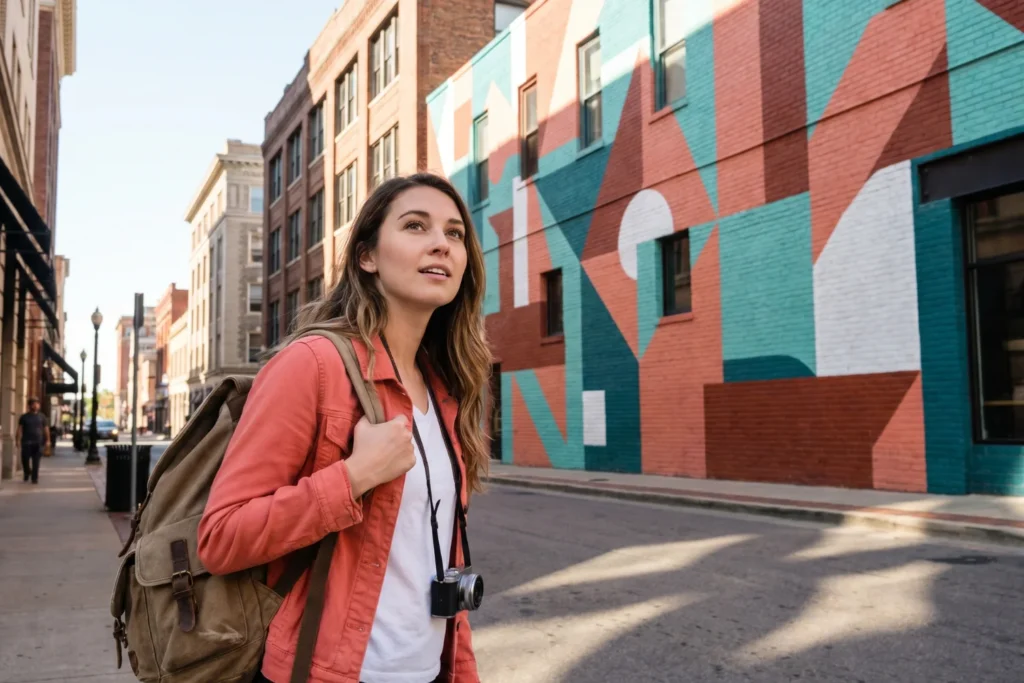
A solo day trip to a city within two hours of your campus or hometown costs under $30 on Amtrak, FlixBus, or a rideshare — and it’s one of the fastest ways to break the monotony of a summer spent in the same zip code. You don’t need a weekend. You need seven hours and a willingness to eat lunch alone at a counter.
Pick a city you’ve driven past but never stopped in. If you’re near Philadelphia, take the SEPTA regional rail to Trenton and walk around. If you’re in the Bay Area, BART to Richmond, then bus to Point Richmond for waterfront tacos and zero crowds.
“Solo travel doesn’t start with a passport. It starts with a bus ticket to the next town over.”
In practice, the hardest part is going alone. Bring a journal or a camera. Walk without a map for the first hour. You’ll remember this trip longer than any group hangout.
5. Spend a Long Weekend at a Lake or Beach Town
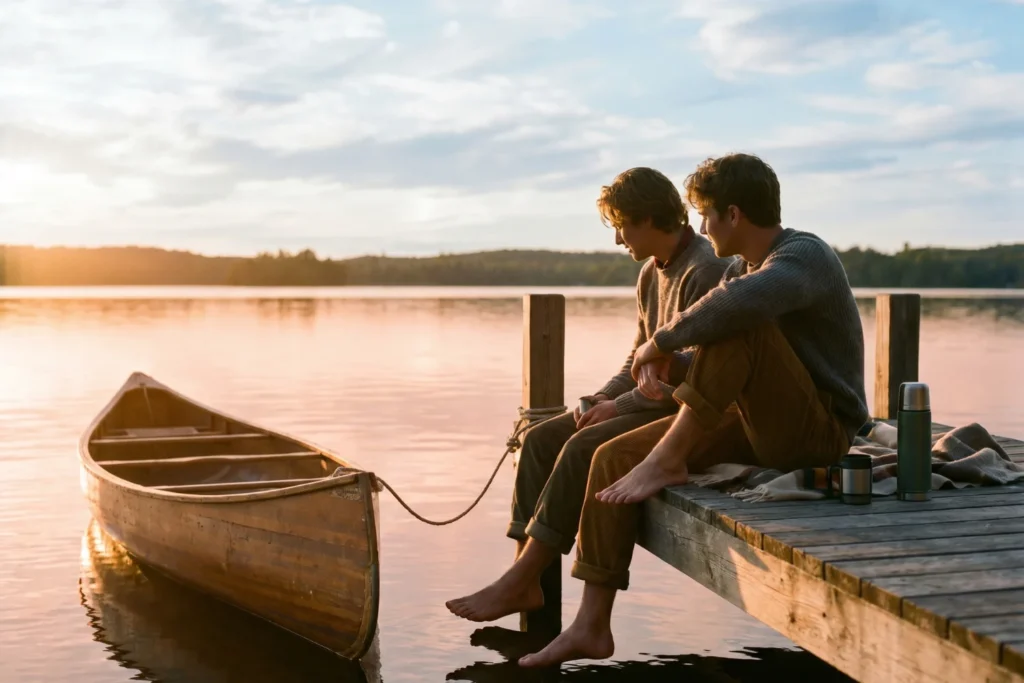
A three-night stay in a lake or beach town — booked through Hostelworld, a local Airbnb, or a state park cabin — runs $40–$80 per person when split among friends and delivers the kind of slow summer days that define college memories. Forget resort towns. Target the quieter spots.
Lake of the Ozarks in Missouri, Lake Champlain in Vermont, or the Gulf Islands National Seashore in Mississippi all offer cheap lodging within walking distance of water. Book a cabin or campsite, not a hotel.
[ ] Pick a lake or beach town within 4 hours of your location
[ ] Search Hostelworld and Hipcamp for stays under $40/night per person
[ ] Pack sunscreen, a reusable water bottle, and one paperback
Save this: A weekend trip planner for college students on a tight budget.
When your friends are all working different schedules, a long weekend trip is the format that actually gets everyone to commit.
6. Volunteer-Travel Somewhere That Needs Summer Help
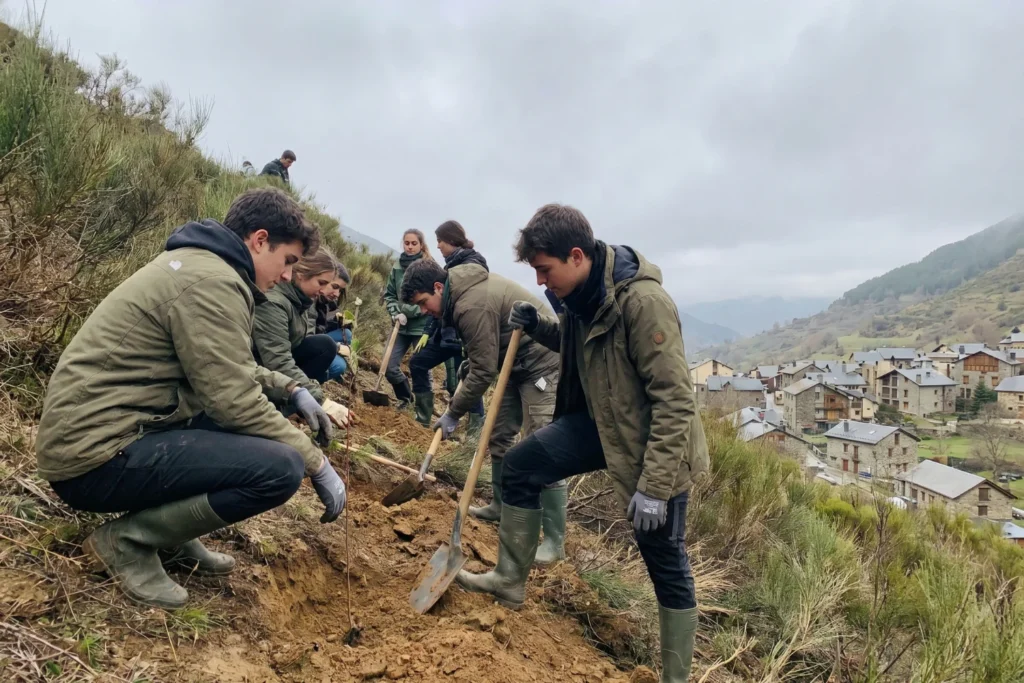
Volunteer-travel programs place college students at conservation sites, trail maintenance crews, and community projects — often covering housing and meals in exchange for 20–30 hours of weekly work. The National Park Service’s Volunteers-In-Parks program, Habitat for Humanity’s Collegiate Challenge, and WWOOF (World Wide Opportunities on Organic Farms) all accept summer applicants.
WWOOF hosts in places like Vermont, Oregon, and Hawaii provide free room and board on working farms. You travel there, work mornings, and spend afternoons exploring. It’s not a vacation — it’s better. You leave with a place you actually know, not just a place you visited.
This doubles as a résumé line without turning your summer into a productivity grind.
7. Hike to a Summit and Sleep Under the Stars
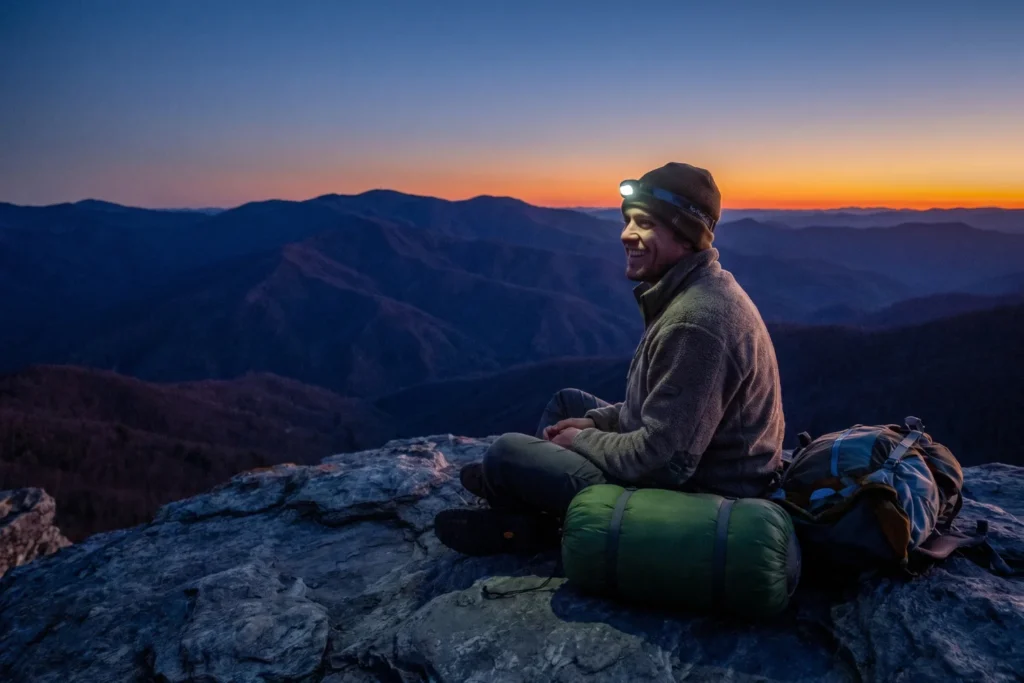
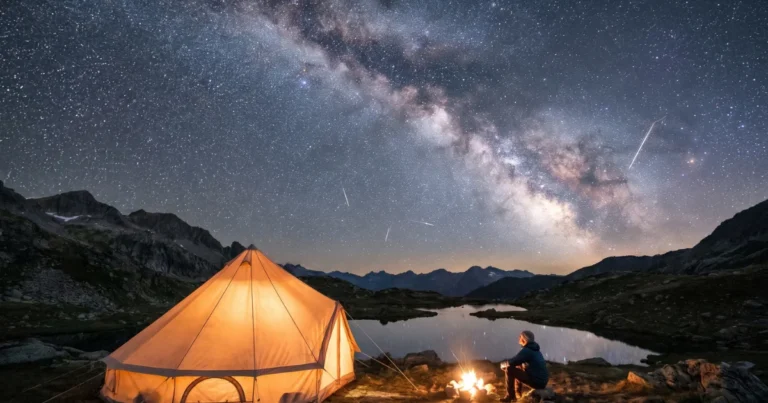
Backpacking to a summit and cowboy-camping (no tent, just a sleeping bag on a pad) is free on most public land in the U.S. under Bureau of Land Management dispersed camping rules — you just need a trail, a permit check, and a clear weather forecast. Mount Marcy in New York, Angels Landing approach in Utah, or Mount Leconte in Tennessee all offer summer-accessible summit camping or nearby backcountry sites.
When you’re three weeks into summer and nothing has happened yet, this is the trip that resets everything. You don’t need fancy gear. Borrow a pack, rent a sleeping bag from your campus outdoor recreation center (most charge $5–$15 for a weekend), and go.
“You don’t need a $400 tent to sleep on a mountain. You need a weather app and a borrowed sleeping bag.”
8. Ride a Train or Bus Route You’ve Never Taken
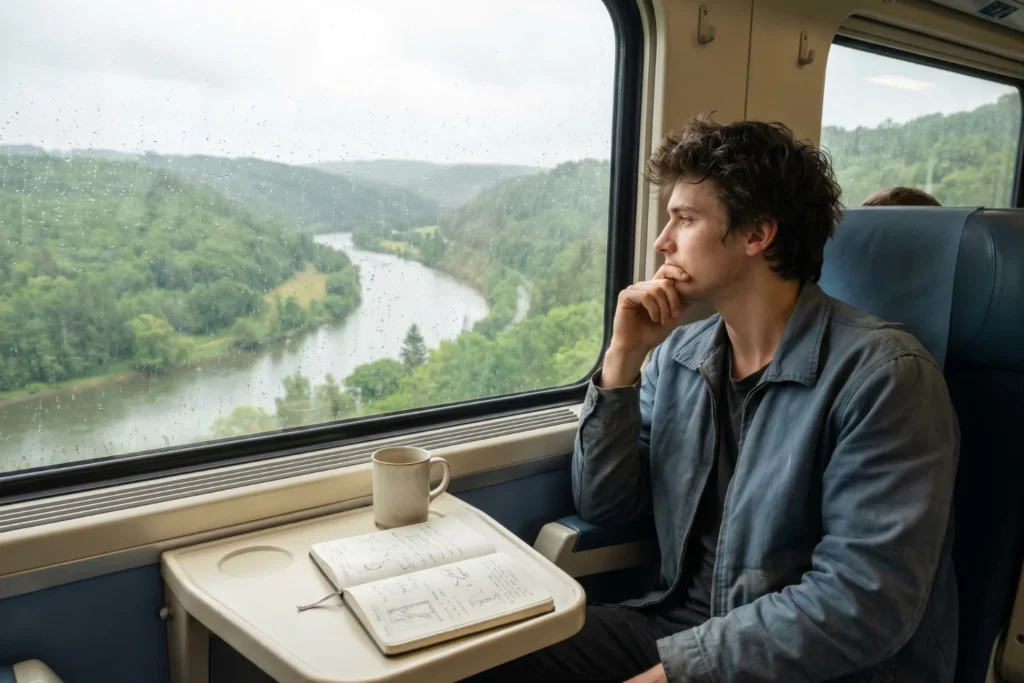
Amtrak’s USA Rail Pass costs $499 for 10 segments over 30 days, but single coach tickets on shorter routes — like Chicago to Milwaukee ($25), New York to Philadelphia ($29), or LA to San Diego ($32) — are the move if you’re watching your bank account. FlixBus and Greyhound drop even lower, often under $20 one way.
Pick a route for the ride itself, not just the destination. The Amtrak Coast Starlight from Portland to Sacramento runs along the Pacific and through the Cascade Range. The Lake Shore Limited from Chicago to Albany follows the Erie Canal corridor. These are full-day experiences, not just transportation.
Bring a book. Bring snacks. Leave your AirPods out for the first hour and just watch the scenery move.
Save this: Budget train and bus routes every college student should try this summer.
9. Do a Food Trail Through a Neighboring State
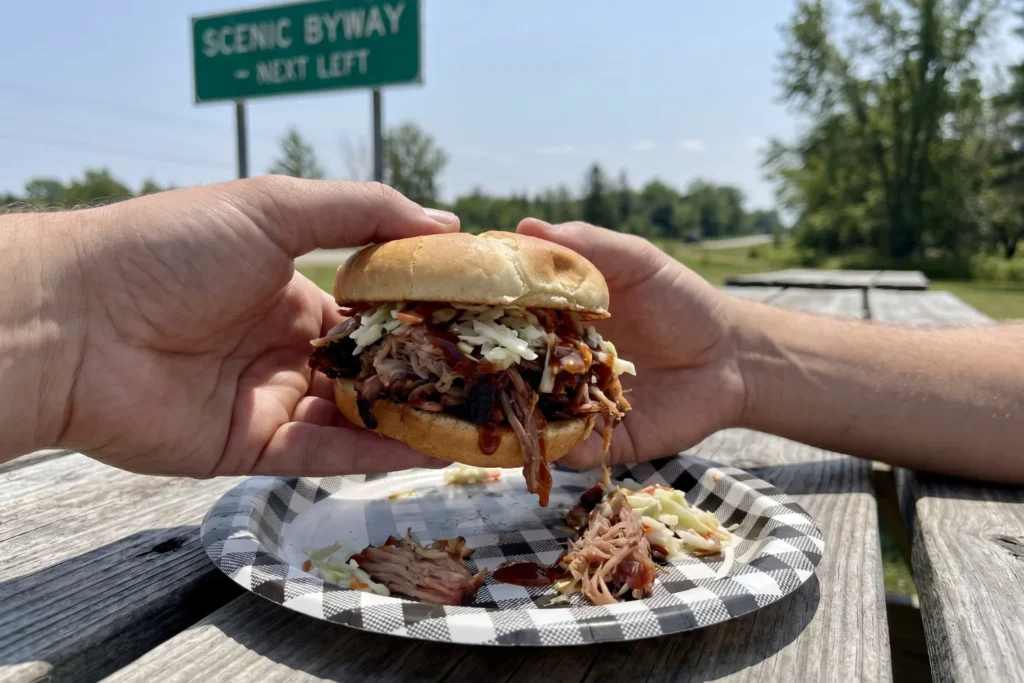
A food trail is a road trip organized around eating at three to five specific restaurants or food stands in a region you’ve never explored — and it gives a directionless summer day an instant structure. Texas barbecue trail from Lockhart to Taylor. A lobster roll run up coastal Connecticut. Taco trucks along the I-5 corridor in Oregon’s Willamette Valley.
Map your stops on Google Maps the night before. Budget $10–$15 per stop. Drive with someone who disagrees with you about food — the arguments make the trip.
This idea pairs well with visiting a friend at their hometown, which is exactly what comes next.
10. Visit a Friend at Their Hometown

Visiting a college friend at their hometown is free lodging, a local guide, and a travel experience that no booking app can replicate. You’ll eat at the diner they grew up going to, see the weird local landmark they’ve mentioned three times, and understand them differently after 48 hours in their world.
This works especially well for the summer bucket list for women in their 20s crowd — trips built around relationships rather than itineraries. Bring a small host gift. Offer to cook one meal or cover gas money. Stay two nights, not four.
11. Explore a State or County Fair in a New Region

State and county fairs run from June through September across the U.S., and admission is typically $5–$15 — making them one of the cheapest travel-worthy day trips available. The Iowa State Fair, the Cheyenne Frontier Days in Wyoming, and the North Carolina State Fair each draw travelers from neighboring states and offer food, live music, and competitions you literally cannot experience anywhere else.
If this is your last summer before college, a state fair trip with your best friends is the kind of low-key, slightly ridiculous adventure that holds up in memory for years.
Save this: Cheap summer day trips and bucket list ideas for college students.
12. Build a Travel Vision Board for Next Summer
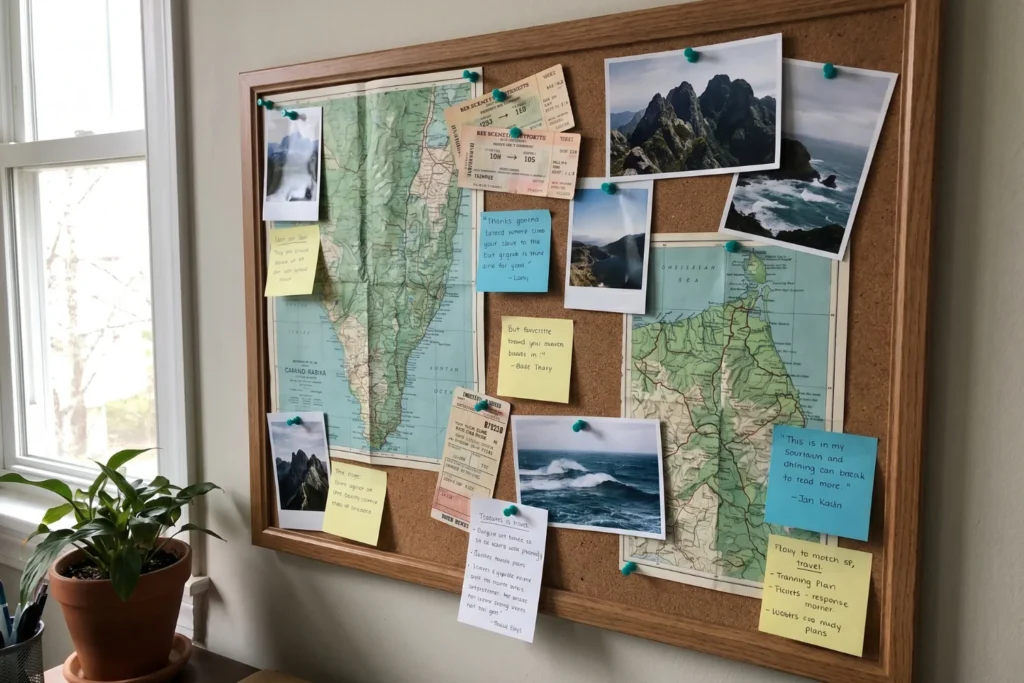
Before summer ends, spend one evening building a physical or digital travel vision board for next year — pinning destinations, estimated costs, and the people you want to travel with — so you return to campus with a plan instead of vague intentions. This is the only “at home” item on the list, and it exists to make next summer’s list shorter and more ambitious.
Use Pinterest boards, a Google Doc, or an actual corkboard. Pin three destinations. Estimate round-trip transport costs. Write down who you’d invite. For more structure, check out these summer travel vision board ideas for young adults.
The students who travel the most in college aren’t the richest ones. They’re the ones who plan in August for the following June.
Save Your Summer Bucket List Checklist
Copy this into a Google Doc, print it, and tape it somewhere visible. Check items off physically — it works better than a phone app.
[ ] Road Trips & Drives: Forgotten highway road trip, food trail, train or bus route
[ ] Outdoor Adventures: National park camping, summit hike, lake or beach weekend
[ ] Events & Culture: Music festival, state or county fair
[ ] People & Connection: Solo city day trip, visit a friend’s hometown, volunteer-travel
[ ] Planning & Reflection: Travel vision board for next summer
Save this pin — it prints on one page and fits on your fridge.
FAQ
Q: Are there affordable summer bucket list ideas for college students?
A: Affordable summer travel for college students centers on splitting costs and choosing free or low-cost destinations. National park camping runs $15–$30 per site. FlixBus and Greyhound tickets cost under $20 one way on many routes. Volunteer-travel through WWOOF or the NPS covers housing and meals in exchange for part-time work.
Quick Answer: Camp in national parks for under $30/night, ride FlixBus for under $20, and try volunteer-travel programs like WWOOF that cover room and board.
Q: What are the best outdoor summer activities for college students?
A: The best outdoor summer activities for college students involve overnight travel to public land. Backpacking to a summit, camping in a state or national park, and spending a long weekend at a lake town all combine physical activity with affordable lodging. Most campus outdoor recreation centers rent gear for $5–$15 per weekend.
Quick Answer: Summit backpacking, national park camping, and lake weekend trips are top outdoor activities — all under $50 per person when you borrow or rent gear.
Q: How do I create a summer bucket list as a college student?
A: Creating a summer bucket list starts with listing destinations and activities, then assigning each one a budget and a realistic date. Copy the checklist from this article into a Google Doc. Prioritize trips you can do within a 4-hour drive or a cheap bus ride. Commit to one trip per month minimum.
Quick Answer: List destinations, assign budgets and dates, prioritize trips within 4 hours of home, and commit to at least one trip per month of summer.
Q: What should I include in my last summer before college bucket list?
A: A last-summer-before-college bucket list should prioritize place-based experiences you can’t easily repeat once semesters start — a road trip with high school friends, a visit to a state or county fair, camping overnight, and a solo day trip to build travel confidence before moving to a new city.
Quick Answer: Road trip with friends, overnight camping, a state fair visit, and a solo day trip to a nearby city are ideal for the summer before freshman year.
Q: Where can I find a summer bucket list template for college students?
A: Several free templates exist as Google Docs you can copy and edit. Sites like gdoc.io offer pre-formatted summer bucket list templates. You can also copy the printable checklist from this article directly into a Doc, add your own destinations, and share it with friends for group planning.
Quick Answer: Use free Google Docs templates from gdoc.io or copy the checklist in this article into your own Doc for instant planning.
Q: What is the difference between a college bucket list and a summer bucket list?
A: A college bucket list spans all four-plus years and includes campus-specific experiences like studying abroad or attending a rivalry game. A summer bucket list focuses specifically on the 10–14 weeks of break and prioritizes travel, outdoor activities, and trips that require free time you won’t have during the semester.
Quick Answer: A college bucket list covers your full college years; a summer bucket list targets the break specifically, focusing on trips and activities that need extended free time.
Conclusion
Twelve ideas. Every one gets you out of your zip code. Print the checklist, text it to the group chat, and lock in dates before “I’ll figure it out later” becomes September. Your summer doesn’t need to cost thousands — it needs a destination, a date, and someone to split gas with. Save this pin to your travel board so it’s there when you need it.